Anthropic’s compute priority: R&D over customer service
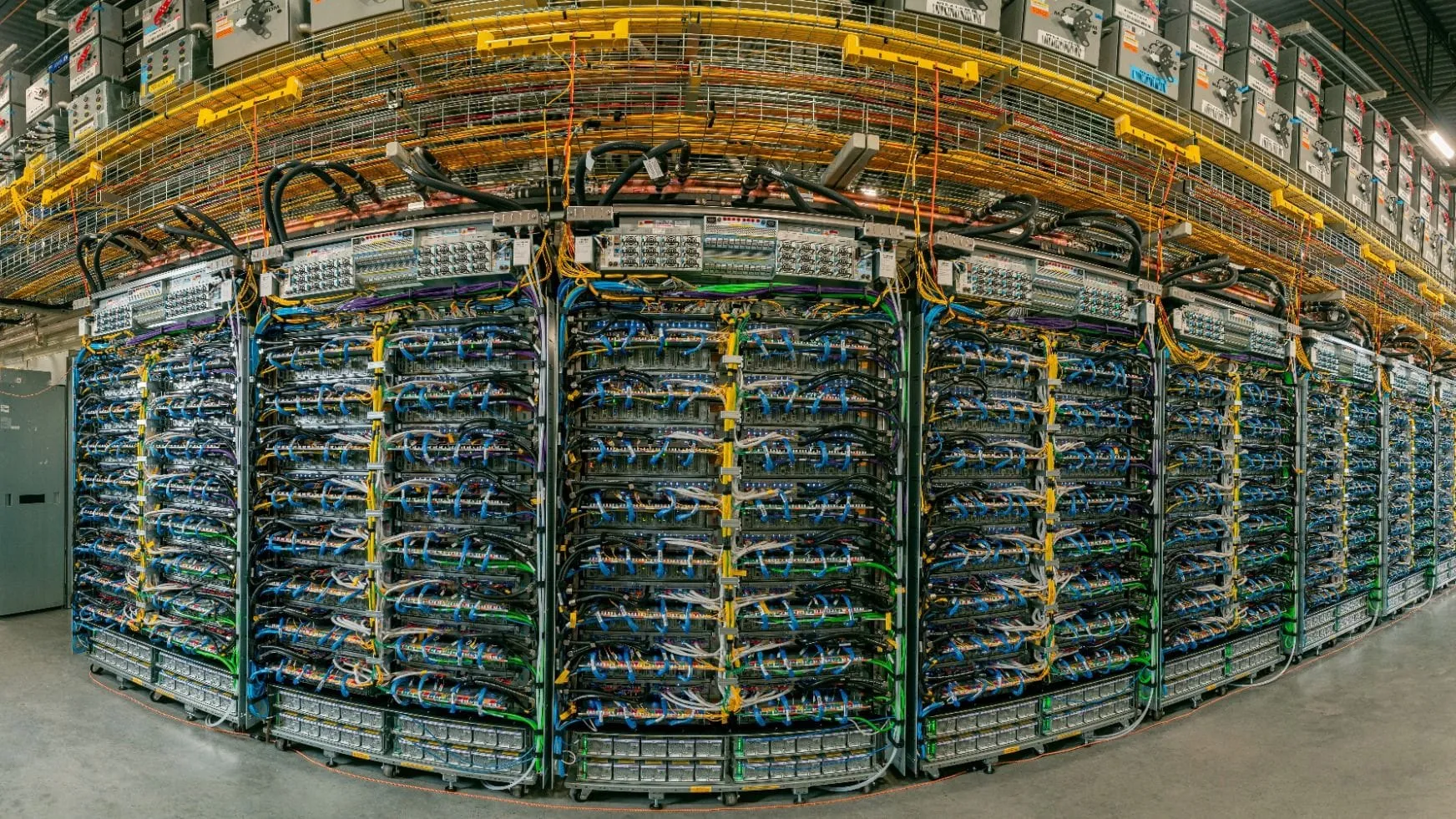
Anthropic’s $800 Billion Race: How the AI Giant Masters the Art of Compute
In the hyper-competitive world of artificial intelligence, where the race is fought not just with algorithms but with raw infrastructure, Anthropic is playing an entirely different game. The company, known for developing the powerful Claude models, is navigating the staggering costs of building and serving frontier AI, managing an infrastructure footprint that dwarfs many Fortune 500 companies. Their strategy isn’t just about creating smarter models; it’s about mastering the economics of compute.
Anthropic’s financial blueprint demonstrates a clear priority: heavy investment in future growth rather than immediate customer service. While they signed up for nearly $800 billion more in TPU and GPU capacity, less than a third of their first-half compute bill went toward serving paying customers. The vast majority of funds were channeled into training new models, ongoing research, and internal operational needs—a clear signal that the future of AI demands exponential computational power.
This intense focus on research is reflected in their cost structure. By prioritizing large-scale development, Anthropic has successfully managed its cost of revenue, maintaining an impressive margin. This efficiency has been honed through continuous improvements; for instance, recent model updates have cut task costs by significant percentages, demonstrating a knack for maximizing performance while preserving profitability.
The difference between spending and serving is stark. In the first half of the year, the company spent $2.4 billion serving customers, while revenue reached $16.3 billion. This difference is amplified when considering the underlying dynamics: revenue left after serving costs grew from just 12 cents to 85 cents per dollar, a testament to optimizing every layer of the operation.
However, the real complexity lies in the hardware marathon. To keep pace with demand, Anthropic has locked in massive, multi-year compute agreements spanning well into the future. These deals, encompassing partnerships with giants like Google, Amazon, Microsoft, and Nvidia, involve staggering commitments totaling between $782 and $807 billion across various chip architectures, including TPUs, AWS Trainium, and various Nvidia GPUs.
These contracts secure the multi-chip compute architecture Anthropic runs on, providing the necessary foundation for running Claude and training the next generation of models. The long-term nature of these deals, extending into the 2030s, underscores that AI development is not a sprint, but a decades-long infrastructural commitment.
Ultimately, Anthropic’s compute strategy illustrates a sophisticated understanding of the AI economy: massive expenditure on future capacity, disciplined management of operational costs, and a relentless focus on innovation. As the AI landscape evolves, the story of how companies handle colossal computational demands will be just as fascinating as the models they create.
Buy on Amazon
Credit
