AnyPS5 hits GPU milestone for native PC gaming
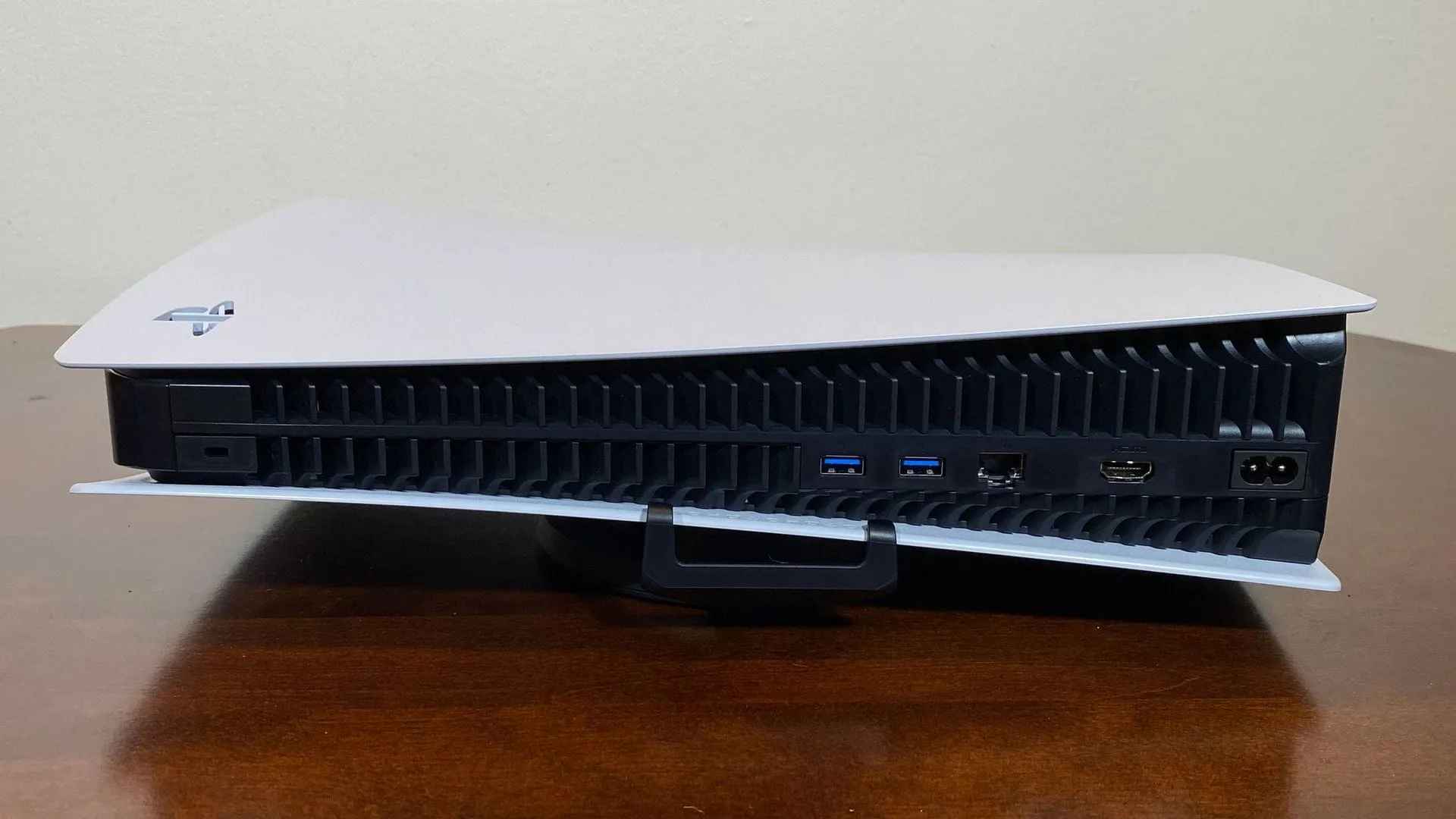
The quest to bring the power of the PlayStation 5 to the PC has always been a dream for gamers. Now, an open-source project called AnyPS5 is chipping away at that dream, pushing the boundaries of what’s possible by attempting to run PlayStation 5 games natively on Windows and Linux systems.
This ambitious effort has reached a significant milestone: the project has achieved 100% GPU shader instruction coverage across the tracked AMD RDNA 1 and RDNA 2 instruction sets. This achievement marks a critical step in translating the complex, proprietary graphics language of the PS5 into a format accessible on PC.
However, simply counting instructions implemented doesn’t tell the whole story. The definition of “implemented” within AnyPS5 is nuanced. It means the project’s shader decoder can recognize an instruction, which is a vital first hurdle. It does not guarantee that every instruction is perfectly translated into SPIR-V, nor does it ensure that the instruction’s behavior is entirely correct in every scenario or that all GPU features are supported.
The real magic of AnyPS5 lies not in conventional emulation, but in a unique approach: native porting through binary transformation and API reimplementation. Instead of mimicking the PS5 environment entirely, AnyPS5 takes an existing PlayStation 5 executable and intelligently relinks it into a native x86-64 Linux or Windows PE format. This method adapts the existing machine code and supplies native replacements for the PS5 system libraries, essentially making the console software speak the language of the PC.
The biggest technical hurdle remains the GPU. PS5 games rely on proprietary AMD RDNA-specific shader instructions, which differ significantly from the standard graphics APIs PC developers are used to. AnyPS5 tackles this by translating those RDNA shader programs into SPIR-V, allowing them to execute via Vulkan. This process involves complex translation, reimplementation, and some emulation of hardware behavior at a foundational level.
While the GPU work is fascinating, the challenge extends deeper. The project is also working on integrating the wider PS5 system services, including memory management, audio, texture formats, and synchronization. The tracker currently reports 84.69% implementation across the system-library functions, showing that while the graphics decoding is advancing rapidly, there is still significant work to ensure every aspect of the console experience is accurately mirrored on PC.
Currently, AnyPS5’s official compatibility list identifies only one verified playable title: the charming 2D platformer, Dreaming Sarah. Developers are tackling more demanding games, but bringing a complex 3D title to life requires solving countless system-level and graphics state issues.
For users interested in getting started, the workflow requires familiarity with the underlying structure of the game files, as the project does not provide a simple disc-ripping tool. Beyond the code, hardware requirements are a major factor. Running some titles may demand up to 13,824 MB (13.5 GB) of direct memory, which places significant demands on host systems, even those with ample RAM.
Despite these current limitations, the progress is phenomenal. The project is not aiming to be a simple PS5 emulator, but rather a powerful framework for unofficial native PC ports of individual games. With over 100 human contributors driving this effort, the pace is astronomical. The long-term vision is clear: pushing toward a future where we can play the PS5 version of massive titles, perhaps even GTA VI, natively on PC, long before an official release.
Buy on Amazon
Credit
