Apple keeps robbing Microsoft of Surface device names
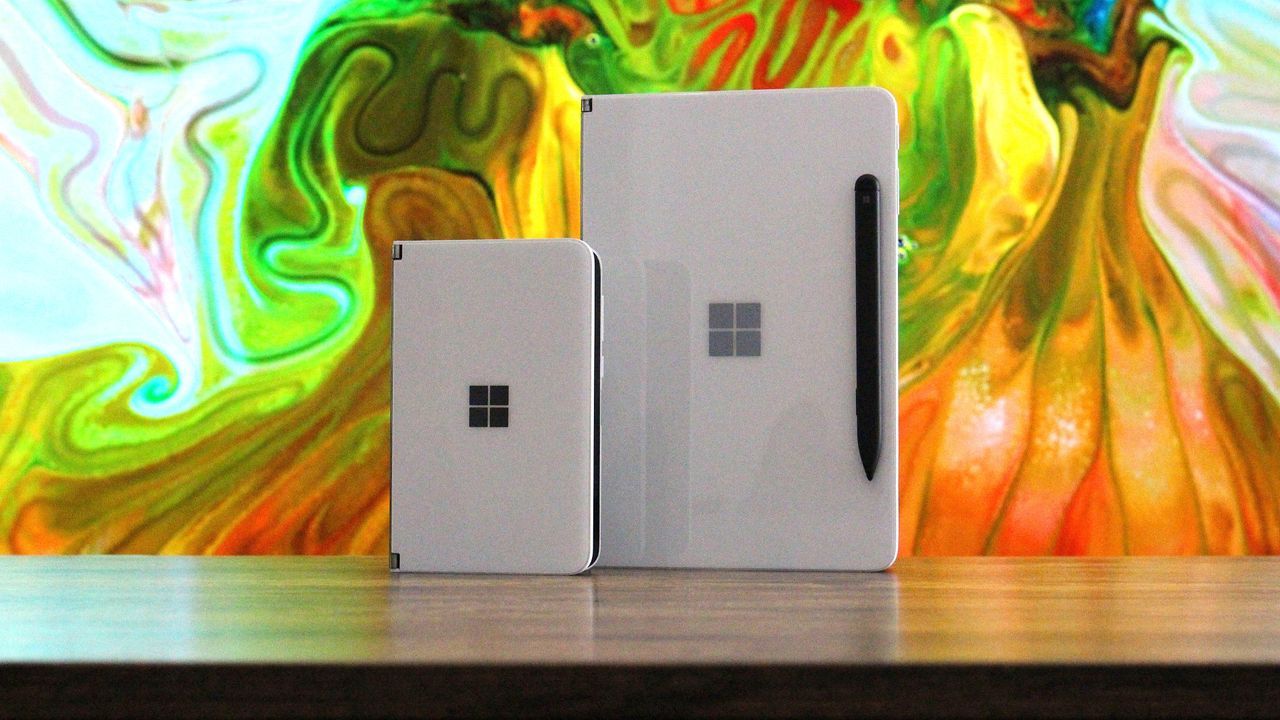
In the early days of the foldable revolution, Microsoft attempted to carve out a unique space in the premium hardware market with devices like the Surface Duo and Surface Neo. These were more than just gadgets; they were ambitious experiments designed to signal a shift in how computing and mobile devices could coexist.
The Surface Duo, for instance, was a mesmerizing piece of engineering. It featured a unique dual-screen setup, pen input capabilities, and was touted as one of the thinnest folding phones available upon its 2020 launch. It represented a bold vision for a flexible form factor that hinted at a future where hardware was fluid and adaptable.
Alongside the mobile innovation, Microsoft was developing the Surface Neo PC—a dual-screen laptop that complemented the mobile vision. Both projects were built upon clever naming conventions, utilizing terms like Neo, referencing a sense of newness or even the Matrix, and Duo, signifying the paired nature of the hardware.
When the Surface Duo was announced, it generated buzz, suggesting a major evolution in Microsoft’s strategy. But the momentum stalled. Despite the initial excitement, the project ultimately succumbed to what many observers saw as a lack of focus and persistence.
The unfortunate reality is that Microsoft ultimately abandoned the vision. After only a few iterations, the company decided that the pursuit of a truly unique folding device was not worth the investment. This shortsighted decision led to the demise of this unique Surface hardware line, leaving behind devices that, while functional, failed to capture the mainstream imagination.
Now, the irony is rich. As the market evolved, Apple stepped into the vacuum, taking those very successful, evocative names and applying them with superior execution. This is where the real game-changing moment occurred.
Apple introduced the MacBook Neo and the iPhone Duo. While Microsoft struggled to define its own path, Apple brilliantly leveraged the moniker. The MacBook Neo offered an incredibly streamlined, competitive laptop experience, while the iPhone Duo perfectly captured the essence of a unified, dual-device ecosystem.
The iPhone Duo, in particular, is a modern-day iteration of the Surface Duo concept, demonstrating what was possible with folding phones and integrated screens. This move highlighted that while the names might be stolen, the underlying innovation and commitment to relentless iteration are what truly define a product’s success.
Ultimately, the story of the Surface Duo and Surface Neo serves as a reminder: innovation thrives not just on grand vision, but on the relentless execution and the willingness to pursue a concept to its absolute conclusion. Sometimes, the best move is letting others claim the crown for the creative names you helped establish.
Buy on Amazon
Credit