Apple’s new MacBook Pro features OLED and touchscreen starting $2899
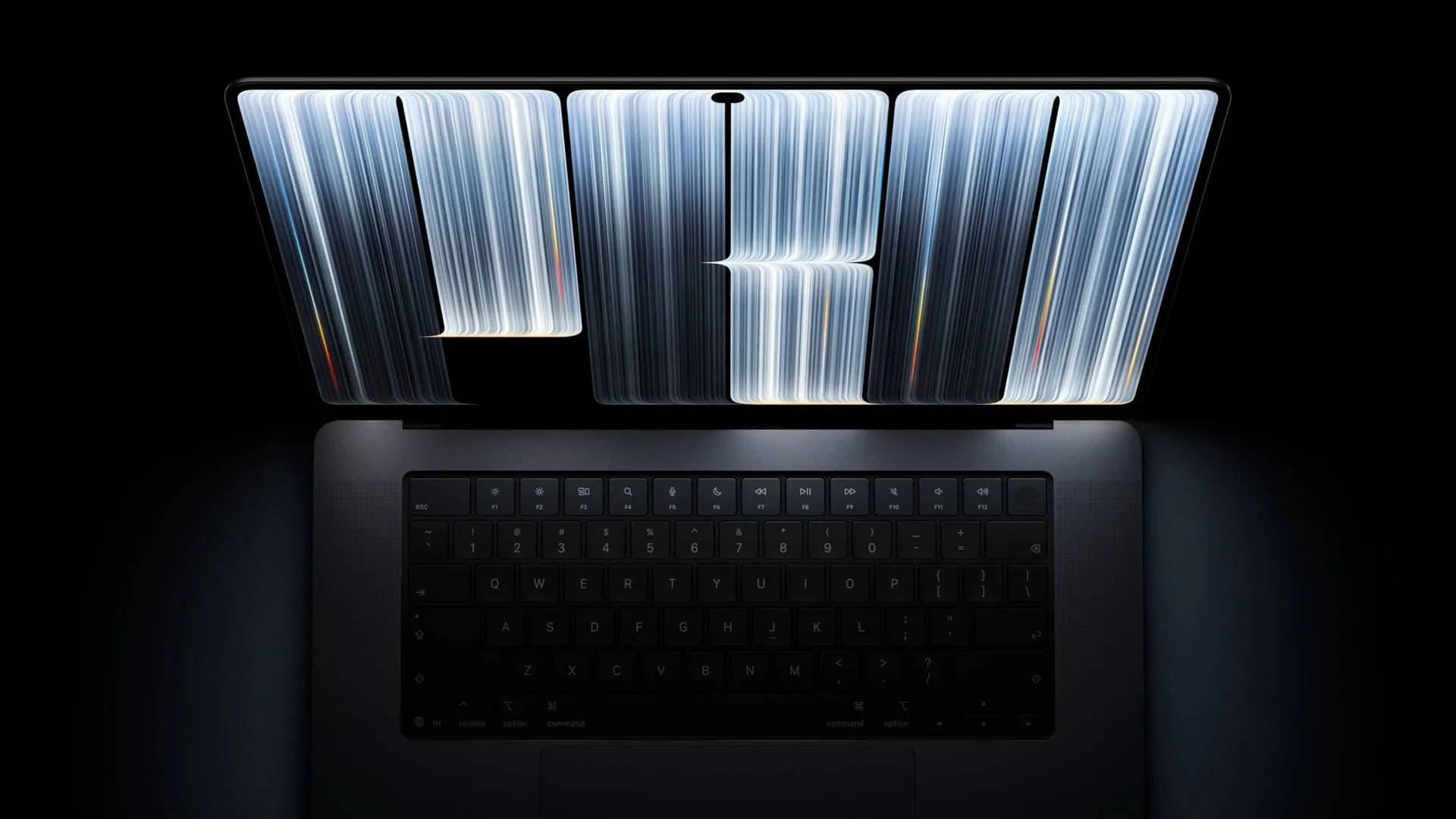
Apple Embraces Touch: The MacBook Pro Gets a Digital Revolution
For years, the realm of high-end laptops has been defined by precision and power, but a silent revolution was brewing within Apple. At a recent Los Angeles event, Apple finally shattered that tradition, ushering in an era of interactive design with the debut of touchscreen MacBook Pros. This move isn’t just about adding a new feature; it’s about fundamentally redefining how users interact with their powerful machines.
The new lineup, featuring 14-inch and 16-inch models, boasts stunning OLED XDR displays that respond directly to a user’s touch. These displays are not merely visual; they offer breathtaking depth, capable of achieving 2,000 nits of peak brightness and a staggering 10,000,000:1 contrast ratio, ensuring that every pixel burns with intense, deep blacks.
Under the hood, these laptops are packed with cutting-edge silicon, utilizing Apple’s existing M5 Pro and M5 Max chips. Whether you opt for the 14-incher, starting at $2,899, or the larger 16-incher, starting at $3,399, these systems offer massive capacity, supporting up to 16TB of storage and 128GB of memory.
Beyond the display, Apple has refined the physical design. The new models feature a refreshed aesthetic, including the Dynamic Island surrounding the webcam, mirroring the features seen on the iPhone, allowing for real-time notifications. They also introduce light-up Apple logos, a visual flourish not seen on the MacBook Pro since 2016.
The tactile experience has also been noticeably enhanced. The physical chassis has been slimmed down, with the 16-inch model being nearly a millimeter thinner than its predecessor. Apple credits this reduction to advancements in the OLED display stack. Furthermore, the design team focused on durability, ensuring the hinges provide unparalleled stability, making the screen less prone to wobble when you touch it.
But the true genius of the update lies in seamless integration. Apple has ensured that its native applications are ready for touch right out of the box. This means productivity suites like Notion, Canva, Microsoft Word, Excel, and Adobe Lightroom are fully optimized for touch interaction, promising an immediate workflow upgrade for professionals.
This is not just a visual and physical shift; it’s an evolution of the Mac experience. It answers the long-standing skepticism surrounding touchscreens—a resistance that once followed Steve Jobs’ famous critique that touch made laptops “ergonomically terrible.” Today, Apple proves that innovation, when coupled with exceptional hardware, can redefine the limits of what a laptop can be. The interactive future of computing has officially arrived.
Buy on Amazon
Credit
