ASML and suppliers rush shipments to Musk’s Terafab
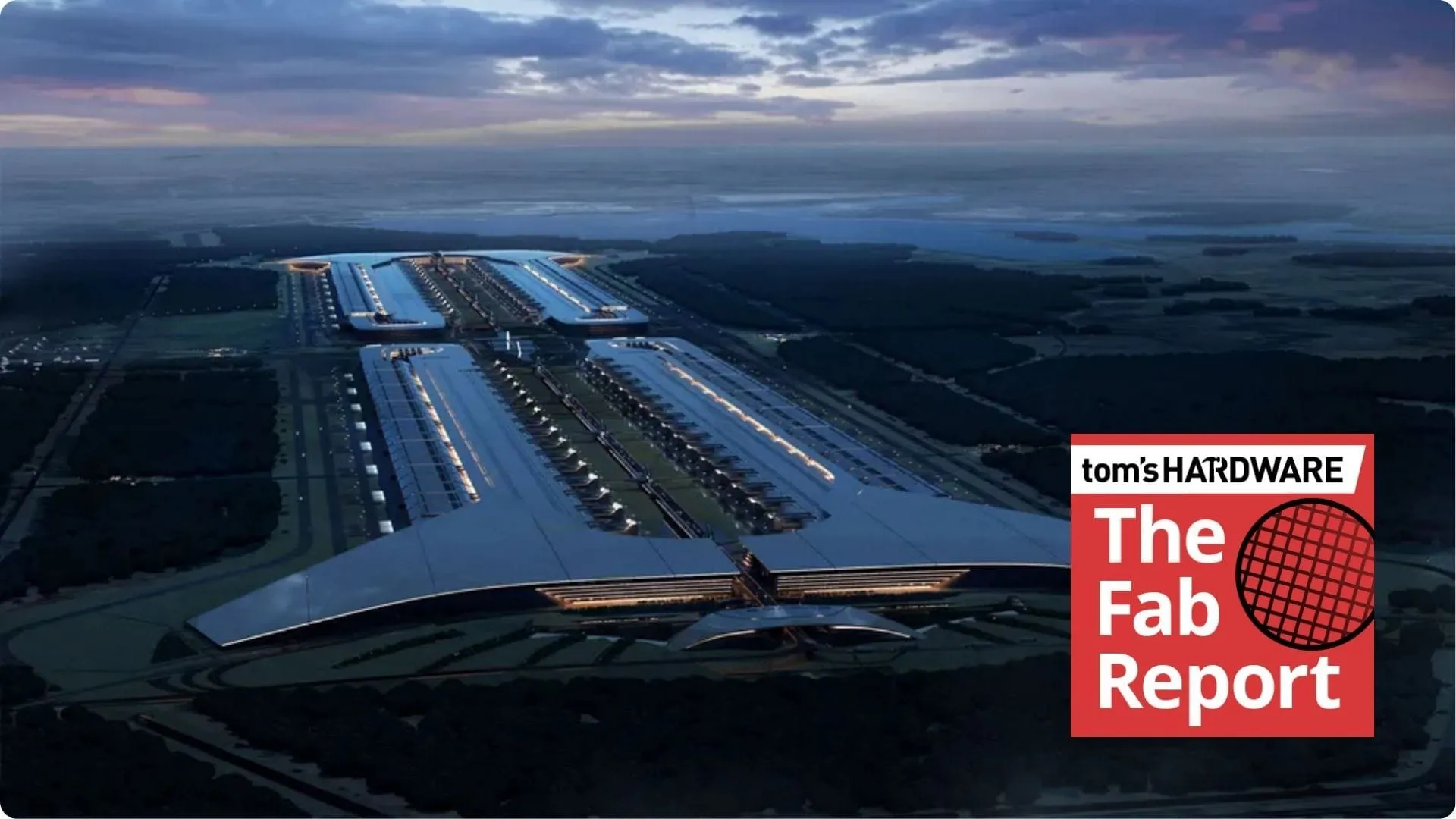
The future of artificial intelligence is not just happening in data centers; it is being forged in silicon. Elon Musk’s ambitious vision for a fully integrated, massive-scale chip manufacturing facility, Terafab, is aggressively pushing the boundaries of what is physically possible in semiconductor technology. Amidst this high-stakes endeavor, Musk recently announced that the critical equipment suppliers have agreed to expedite shipments, signaling a rapid acceleration toward a monumental goal.
This accelerated timeline supports the joint megaproject between Tesla and SpaceX. The goal is to establish a facility in Gibbons Creek, Texas, aimed at manufacturing not just chips, but the entire stack—logic, memory, and advanced packaging—within a single physical building. This project represents a radical attempt at vertical integration, seeking to mitigate future supply chain risks by controlling the entire process from raw material to finished product.
The complexity of this vision requires unparalleled cooperation from the global chip ecosystem. At the heart of the operation is ASML, the world’s sole provider of the extremely complex extreme ultraviolet (EUV) lithography systems essential for high-volume, leading-edge chip production. ASML’s role is arguably the most critical, as their technology is foundational to fabricating the most advanced microprocessors.
Intel has officially joined the Terafab venture, bringing its state-of-the-art 14A manufacturing process to the project. This collaboration underscores the necessity of pooling resources to refactor silicon fabrication technology at an unprecedented scale. Other major players, including Applied Materials, Lam Research, KLA Corporation, and Tokyo Electron, are also contributing specialized machinery for front-end processing and metrology.
Beyond the hardware itself, Musk’s ambition extends into the realm of computing capacity. He has outlined staggering targets for AI compute, expecting his AI companies to achieve between 2.5 and 3 gigawatts (GW) of computing power by the end of 2026. He further projects reaching 13 GW of total AI compute by the end of 2027, positioning the integrated chip factory as the foundational engine for this digital revolution.
To fuel this AI push, SpaceX and xAI are aggressively securing the next generation of computing power. They plan to bring a massive 440,000-GPU Nvidia”>Nvidia “Vera Rubin“ training cluster online by the end of 2027, demonstrating the intense focus on cutting-edge architecture required for large-scale training.
The sheer scale of the Terafab plan is staggering. The facility is designed to achieve an annual output of 1 terawatt (TW) of AI computing power. If fully realized, the commercial value of this single building is projected to place it among the top 20 global GDP countries, reflecting the immense economic potential of vertically integrated, advanced chip production.
However, even with this level of optimism, experts are tempering expectations. While the project is aimed at reshaping the industry, some analysts question the feasibility of the 1 TW ambition, especially when considering the existing global demand and current AI-optimized data center capacity. The effort highlights the thrilling, yet challenging, race to deliver the physical infrastructure needed to power the next era of artificial intelligence.
Buy on Amazon
Credit
