ASML struggles to meet booming AI chip demand
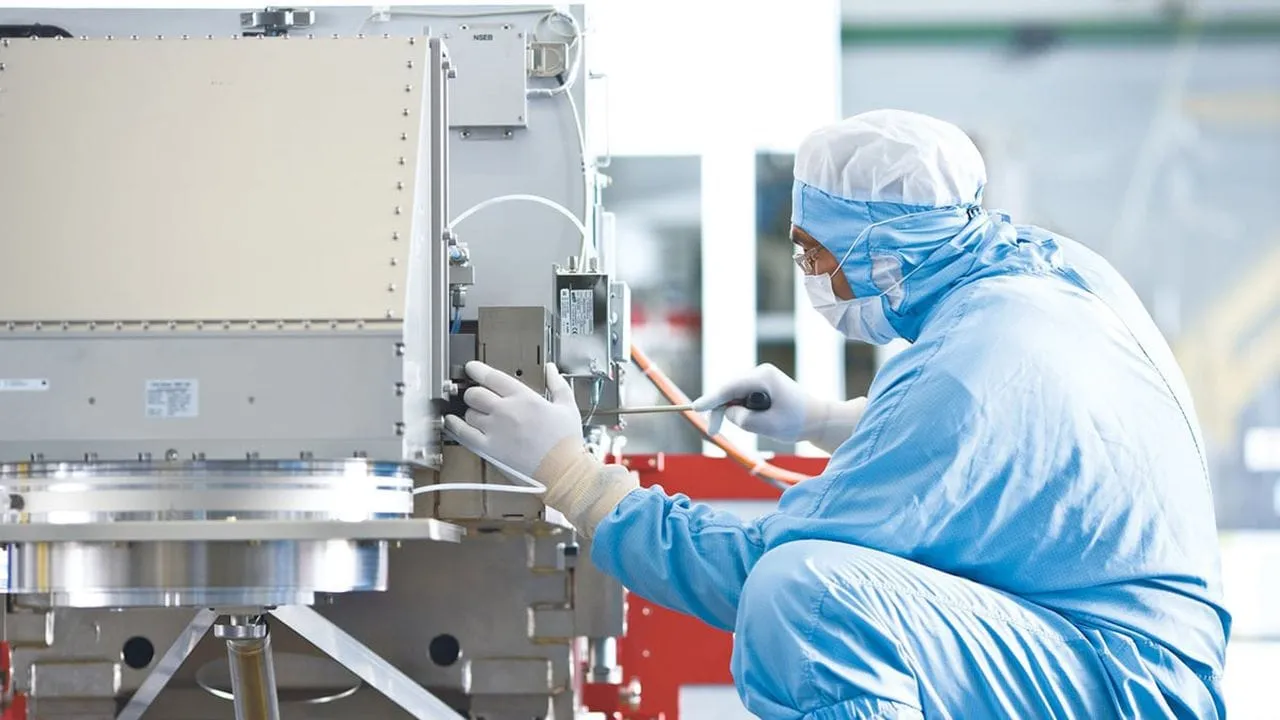
The artificial intelligence boom is more than just a trend; it is a colossal engine reshaping global industry, and at the heart of this revolution sits the complex machinery of chipmaking. And standing at the very core of this high-stakes technological race is ASML, the Dutch giant responsible for the most advanced lithography tools—the essential gear needed to craft the semiconductors that power our digital world.
Despite some cautious whispers about the AI investment boom potentially slowing down, the demand for ASML’s cutting-edge equipment remains relentless. Customers are not just talking about future chips; they are lining up to secure orders for their advanced chipmaking tools stretching into 2029 and 2030, signaling an unwavering commitment to expanding production capabilities.
ASML’s leadership, including CEO Christophe Fouquet, acknowledges this booming appetite. While the company is actively planning major capacity expansions—aiming to increase output by 30% in 2027 and another 30% in 2028—the scale of the demand is truly staggering. This confirms that the infrastructure supporting the AI revolution will continue to expand well into the foreseeable future.
This massive order book reflects the collective ambition of the world’s largest technology firms. Companies like Google, Amazon, Microsoft, and Meta collectively planned to spend an astounding $725 billion on capital expenditure in 2026, a staggering 77% jump from the previous year. This spending isn’t just about devices; it’s about building the physical capacity required for true artificial intelligence.
The financial reality of this surge is also playing out. With the elevated demand, ASML is poised to adjust its pricing structure. The company plans to raise prices starting in 2027, with the full financial effect taking hold in 2028, reflecting the incredible value and scarcity of its highly specialized technology.
ASML’s clientele includes the world’s leading logic chip manufacturers, including Samsung, Intel, and TSMC, all of whom are heavily invested in maximizing chip production. Furthermore, memory chip makers such as SK Hynix and Micron are also expanding their operations by integrating ASML machinery, demonstrating a broad industry-wide commitment to scaling up manufacturing.
The future of chip fabrication involves monumental projects, such as Elon Musk’s ambitious Terafab facility, which seeks to create a massive 100 million square feet semiconductor manufacturing hub. This vision points toward a future where cutting-edge tools, like ASML’s extreme ultraviolet (EUV) scanners, will be deployed to meet this demand. It is anticipated that Terafab will receive its first EUV tool from ASML in mid-2027, marking a critical step in scaling down the path to next-generation manufacturing.
Credit