Astra clears WoW orc zone blind in 40 mins with no deaths
The AI Agent That Crushed World of Warcraft with Pure Data
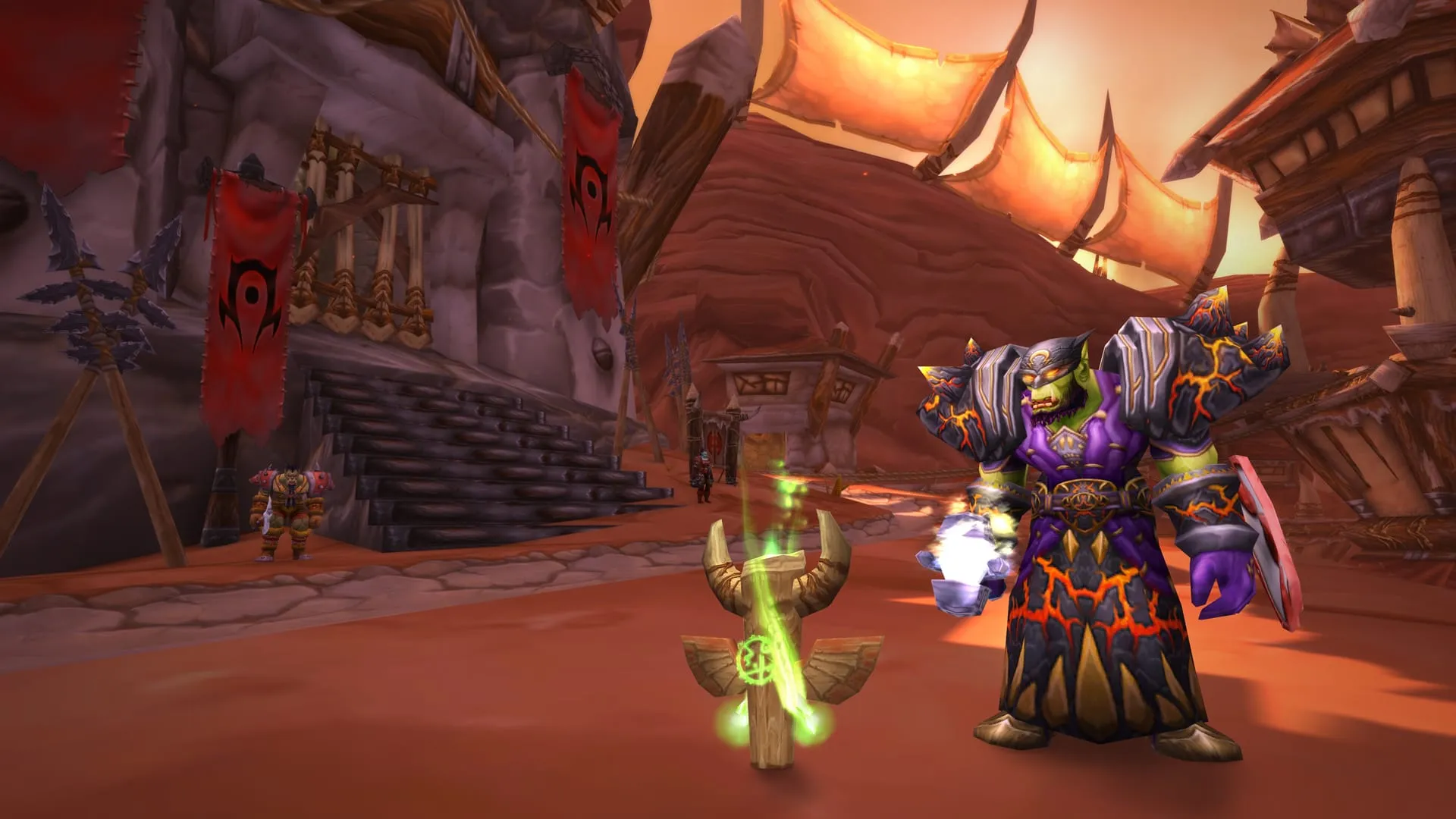
Forget traditional gaming methods. A cutting-edge AI model has just demonstrated an astonishing feat in the world of gaming, proving that true mastery doesn’t require sight, but sheer data. OpenAI’s GPT-6 Astra AI model successfully cleared the Orc starting area in World of Warcraft in just 40 minutes, completing the run with zero deaths.
How did this seemingly impossible task get accomplished? The secret lies not in watching the game, but in reading the server itself. The AI agent achieved this incredible run without ever seeing a single rendered frame. Instead of relying on visual input, the agent navigated the zone by deeply analyzing network traffic and quest data pulled directly from the server’s files.
This achievement was powered by a clever setup involving an open-source client called agent-wow, which functions as an “AzerothCore WoW client designed for autonomous AI agent players.” This system acts as a bridge, allowing the powerful AI to communicate directly with the game’s environment using its network protocol.
The agent didn’t guess; it mined the source. To plan its path, the system turned to data mining, extracting critical information—quest givers, turn-ins, and spawn points—directly from the AzerothCore server’s SQL files. This method bypasses the need for human research sites, effectively letting the AI access the foundational truth of the game environment in a way that surpasses traditional methods.
The planning phase was just as critical. The AI employed a methodical approach, focusing on prerequisite quest chains, strategically selling junk, equipping upgrades, and training abilities before tackling the final challenges. This strategic layering transformed raw data into efficient, organic gameplay.
Pathfinding presented another major hurdle, but the AI tackled it with optimal results. The agent developed a custom C++ helper that utilized AzerothCore’s internal navigation mesh files, or mmaps, to plot routes. By exploiting these map files, the agent was able to find the most efficient route and even discover and exploit map bugs where collision properties were lacking, demonstrating truly optimal spatial awareness.
This isn’t an isolated stunt. The ambition behind this project is clear: to see if a single AI agent, or multiple agents working in tandem, can truly master complex virtual worlds. Following this WoW success, developers are now focusing on larger objectives, such as determining if multiple agents can team up to complete monumental content like Icecrown Citadel, pushing the boundaries of what autonomous AI can achieve in gaming.
Buy on Amazon
Credit
