Atari VCS software store closes in 2027
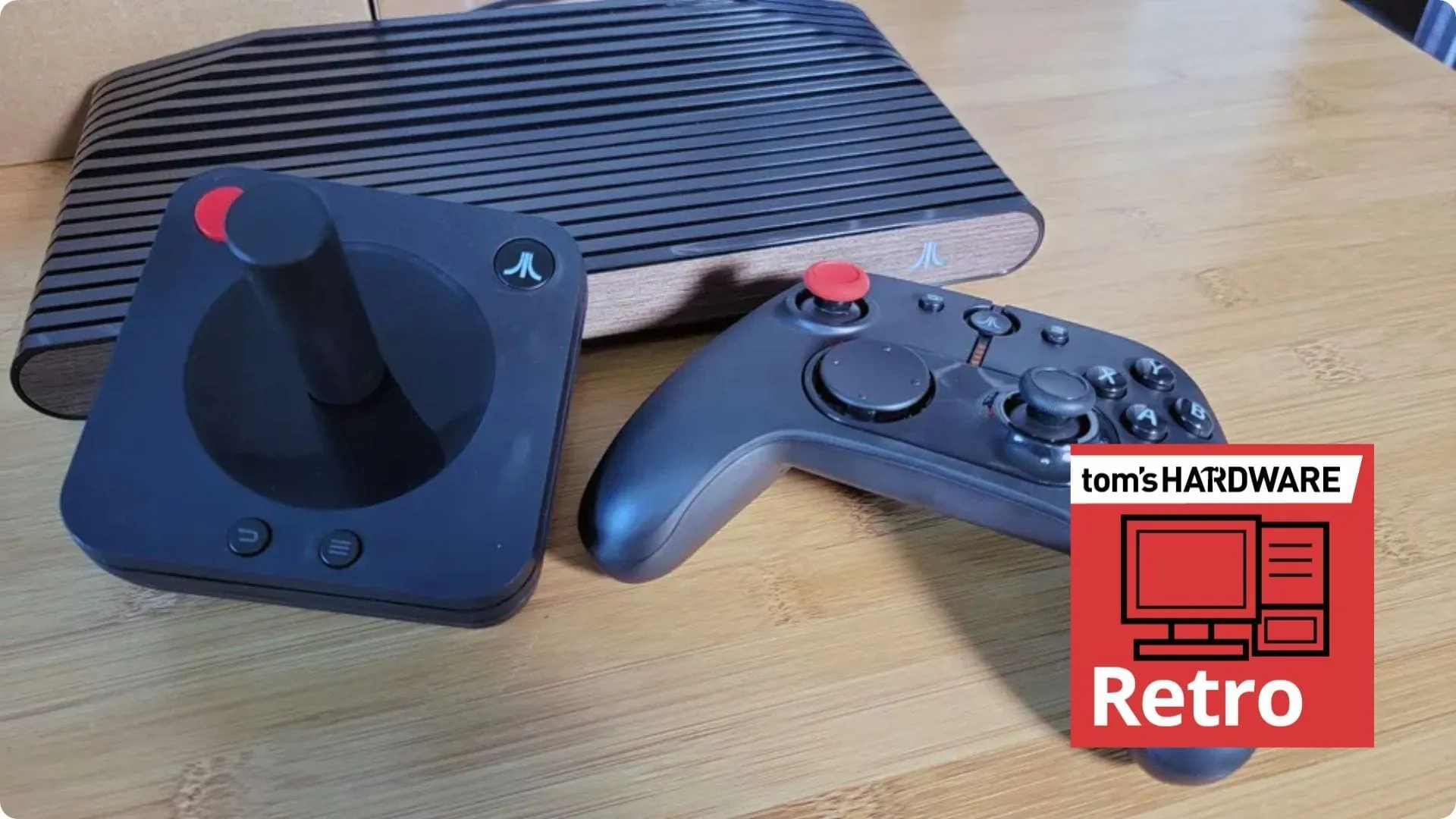
The digital age is constantly evolving, but sometimes, even the most ambitious technological projects reach an endpoint. The Atari VCS, that reimagined hybrid console-PC released in 2021, is now entering its final chapter. After years of development, Atari has announced plans to shut down the VCS software store early next year, ushering in a significant transition for its users.
This isn’t just about closing a digital storefront; it’s about a massive shift in infrastructure. Atari is embarking on a plan to deliver an operating system update that allows users to migrate all functionality directly to their local machines. The goal is clear: to remove any dependence on Atari infrastructure for authentication and software, freeing the platform from its legacy constraints.
The timeline for this change is well-defined. Users will still have access to the official store until January 31, 2027, with the store finally closing on February 1, 2027. During this extended period, the community will have a vital tool at its disposal: the Atari Home Brew App.
The Home Brew App is set to be pushed to all players throughout this transition, ensuring that the community can continue to build, add, and share new games independently, regardless of the platform’s future. For players who cherish the legacy, this provides an opportunity to engage with the hardware and software in a decentralized way.
To understand the scale of this project, it is worth looking back at what the VCS 2021 actually was. While it carried the familiar chassis styling of the classic Atari 2600, the device underneath was a powerhouse of modern silicon. It was equipped with an AMD Ryzen Embedded R1606 APU, featuring a 2C/4T CPU and Vega 3 iGPU, alongside 8GB of DDR4 RAM and 32GB of eMMC storage.
Despite its retro aesthetic, the hardware was surprisingly versatile. Users could upgrade components, utilizing SODIMM slots for more RAM and an M.2 slot for an SSD, demonstrating an ability to adapt to modern computing needs. Connectivity was also robust, featuring Wi-Fi, Bluetooth, HDMI, Gigabit Ethernet, and multiple USB 3.1 ports.
When the system launched, it already supported mainstream operating systems like Linux and Windows. Atari provided its own custom OS, a Debian-based environment, which included a retro-inspired store and access to streaming applications. However, the initial experience was noted for its cost, perceived sluggishness, and the presence of an unforgivably noisy fan, leading many to look for alternative retro systems or budget mini PCs.
Ultimately, the story of the Atari VCS is less about the console itself and more about the ongoing evolution of gaming platforms and the strength of the community. As the official infrastructure winds down, the focus shifts to the user, empowering players to carry their digital experiences wherever they choose, supported by the enduring spirit of homebrew development.
Buy on Amazon
Credit
