Audio hardware needs smart measurement software
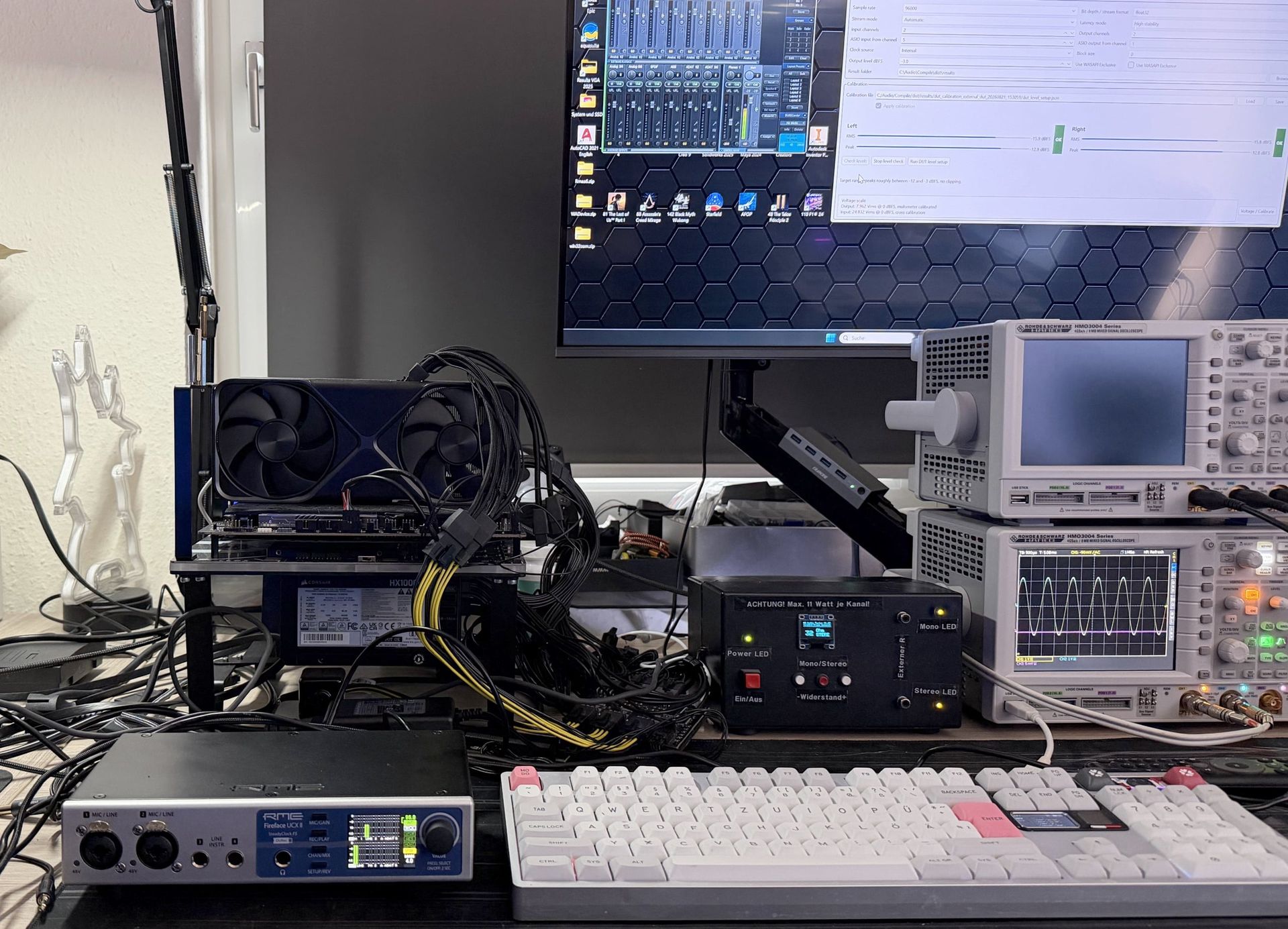
The Unsung Truth of Audio Measurement: Why Hardware Isn’t Enough
In the world of high-fidelity audio, the quest for perfect sound often leads us to invest in the most advanced hardware. We chase better analyzers, sharper tools, and cutting-edge equipment, believing that superior hardware automatically yields superior measurements. But as Audio Analyzer Next reveals, this assumption is a dangerous fallacy. The true measure of fidelity lies not just in the instruments we use, but in the methodology behind the measurements themselves.
Audio Analyzer Next is more than just a collection of advanced tools; it is a platform built on the principle that reliable results demand more than just shiny components. It provides comprehensive measurement and analysis software, integrating specialized tools for everything from frequency-response and FFT to THD and level calibration.
The central thesis driving this analytical philosophy is straightforward yet challenging: better analyzer hardware alone does not guarantee better measurements. A sophisticated piece of equipment is merely a vessel; the quality of the contents depends entirely on the process used to fill it.
To achieve truly reliable and trustworthy audio data, the process must be rigorously controlled. This means moving beyond simply collecting data and focusing intensely on the foundational steps of testing.
Reliable results require a commitment to methodological transparency. This involves ensuring that every test procedure is reproducible, every calibration is traceable, and every piece of data is handled with complete honesty.
For practitioners, this translates into a set of non-negotiable requirements for accurate analysis: traceable voltage calibration, meticulously reproducible test procedures, clock-aware analysis, and careful documentation of all bandwidths.
By insisting on these stringent standards, the system moves beyond being a mere collection of specifications. It becomes a robust framework for objective truth in audio engineering. It acknowledges that the integrity of the final result is determined by the quality of the process, not solely the quality of the tools.
In the end, the pursuit of perfect sound requires not just powerful instruments, but disciplined, honest, and traceable methods. This is the methodology that transforms data into definitive, undeniable truth.
Buy on Amazon
Credit