Autonomous AI robots wield chainsaws in Japan
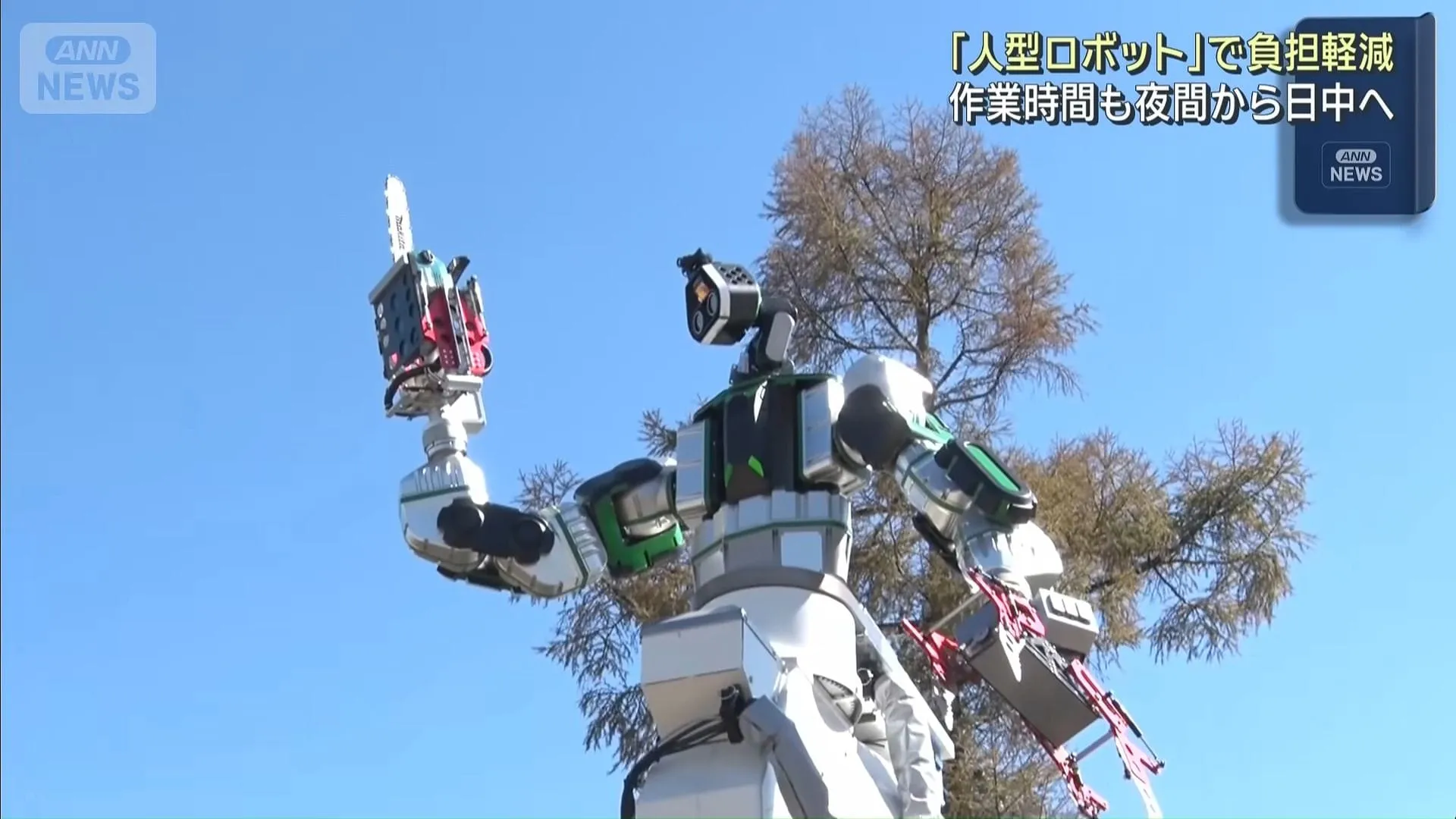
The Future of Rail: How Chainsaw Robots Are Revolutionizing Japanese Railway Maintenance
Imagine a machine equipped with a chainsaw arm, navigating the tracks to clear overgrown branches. This is no longer science fiction; it is the reality on Japanese railway lines, thanks to the integration of advanced robotics and artificial intelligence. Japan’s massive railway operator, JR East, is pioneering this future by deploying heavy machinery robots to tackle the demanding, and often dangerous, work of rail infrastructure maintenance.
Recently, a machine featured in ANN News caught a glimpse of this rail truck-mounted mech in action. This heavy machinery utilizes remotely controlled chainsaw and grabber arms to efficiently clear tree limbs that pose a threat to the rail tracks. This innovative approach is proving that cutting-edge robotics can be applied directly to solve logistical and safety challenges within critical infrastructure.
The adoption of this technology stems from a critical need: addressing severe labor shortages in the highly skilled maintenance sector. By introducing robotic assistance, JR East is not just increasing efficiency; they are enhancing safety and making essential, arduous work more feasible for their engineers. This move is part of a broader, aggressive integration of AI and robotic technologies across all aspects of railway operations.
JR East, which operates Japan’s extensive network, including the famous northern Shinkansen bullet trains, is already a powerhouse in adopting smart technologies. Beyond this groundbreaking maintenance equipment, the firm is utilizing AI for company-wide tools, designing disaster recovery programs, and even deploying AI-equipped drones for comprehensive rail infrastructure inspections. This commitment ensures that maintenance is not just efficient, but proactive.
The potential for this technology extends far beyond remote operation. The long-term vision involves transforming these robots into fully autonomous systems, capable of using AI-based image analysis to autonomously recognize and address rail obstructions. This transition promises to significantly reduce human intervention, promote unprecedented safety, and further alleviate the strain on human labor.
Furthermore, the shift toward daytime maintenance operations, while requiring careful management of customer inconvenience, underscores the commitment to worker safety and operational excellence. The combination of these factors—labor scarcity, technological advancement, and a focus on safety—makes the development of specialized maintenance robots an incredibly timely and necessary step for the future of global transportation infrastructure.
Buy on Amazon
Credit
