Autonomous drones drop 500-gallon foam to fight wildfires
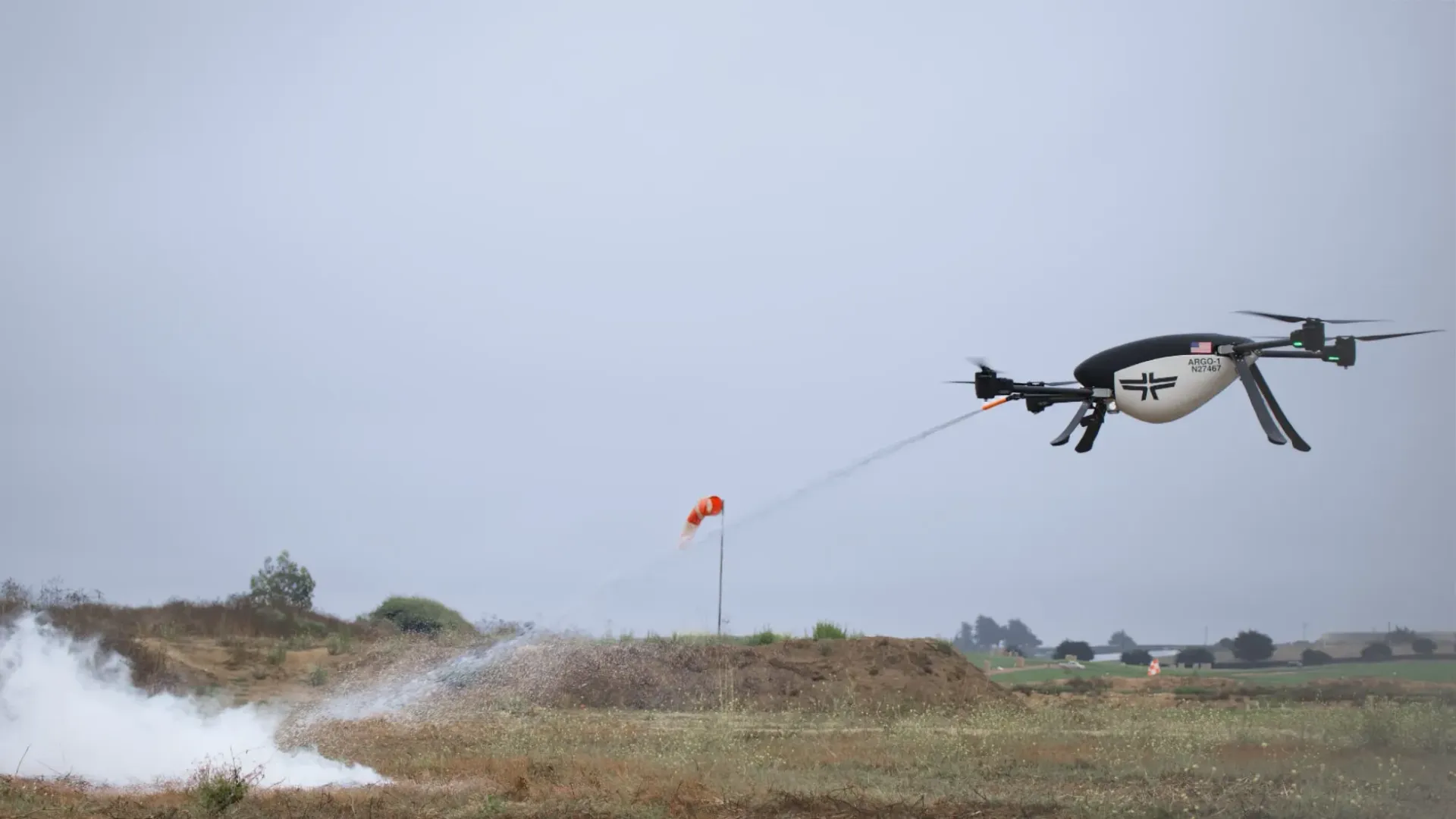
Sky-High Solutions: Autonomous Drones Ignite a New Era in Wildfire Fighting
In an effort to tackle the relentless threat of wildfires, the San Bernardino County Fire Protection District has made a bold leap into the future, acquiring a fleet of autonomous drones designed to intervene and suppress fires before they can become catastrophic. This innovative deployment signals a significant shift in how first responders are managing the devastating landscape of California.
The operation is powered by Seneca Systems, which is providing not only the five autonomous firefighting drones but also a mobile operations base and sophisticated autonomy software. This technology represents a powerful partnership aimed at enhancing safety and efficiency in the most dangerous environments.
These advanced aerial units are more than just surveillance tools; they are powerful delivery systems. The strike team is capable of deploying over 500 gallons of firefighting foam to target areas with incredible precision. What makes this capability truly game-changing is the autonomy software, which allows a single pilot to supervise the entire drone team, enabling comprehensive command over multiple aircraft simultaneously.
The goal behind this technological investment is deeply ambitious: to stop 90% of fires before they can grow beyond just ten square feet. Fire Chief Dan Munsey has articulated a mission focused on rapid initial attack, leveraging the drones’ autonomous capabilities to reach high-risk areas with unprecedented speed.
The speed of response is a critical factor. These drones can be launched from various locations and are engineered to reach starting fires in under ten minutes of detection. Furthermore, their onboard sensor suites allow firefighters to operate these systems twenty-four hours a day, granting access to areas that are traditionally difficult or dangerous, including nighttime operations and remote, inaccessible terrain.
This autonomous capability multiplies the effectiveness of the entire firefighting team. By handling the rapid initial attack and difficult access, the drones allow human firefighters to focus their efforts where they are most needed, enhancing their safety while maximizing their impact. This system effectively liberates valuable resources, allowing crews to respond to other incidents more efficiently.
This move places San Bernardino County at the forefront of the trend toward Drones-as-First-Responder (DFR) systems. While civilian agencies have long explored the potential of drones in emergency response, the integration of advanced AI and autonomy, like that provided by Seneca, marks a significant evolution. It builds on existing technologies that are already being deployed across the country to cut 911 response times and enhance situational awareness.
As the region faces persistent wildfire risks, the integration of autonomous technology promises a new paradigm for emergency management. It is a testament to how advanced technology can be harnessed to protect communities, ensure safety, and empower first responders in the face of escalating environmental challenges.
Buy on Amazon
Credit
