Beat the AI PC hardware price surge with smart shopping
The PC hardware world has recently transformed into a high-priced inferno. The recent boom in artificial intelligence has dramatically inflated costs across the board, making it significantly more expensive than in previous years to acquire essential components like RAM, SSDs, graphics cards, and the machines that house them. For anyone planning a build or looking to upgrade an existing system, finding a genuinely good deal often feels less like a possibility and more like an impossible myth.
However, for those who spend their time hunting for value, the landscape is littered with opportunities. Navigating this high-cost environment requires strategy, but there are proven pathways to snag gear at a better price than you expect. Forget the myth that great deals only exist in ancient folklore; modern shopping offers tangible routes to savings.
The Power of Bundling
One of the most accessible strategies is embracing component bundles. While component combos aren’t new, retailers like Newegg have made bundling a lifeline for PC builders. These deals allow buyers to secure RAM at an effective cost significantly lower than buying it piece by piece. Beyond memory, you can find bundles that combine SSDs, monitors, and GPUs. To keep the bargain hunt active, make it a habit to refresh the Newegg Combo Deals page daily, as these offers are constantly shifting.
Beyond the Online Giants: Physical Bargains
While online retailers offer convenience, sometimes the best bargains require a trip to the physical store. Stores like Microcenter occasionally offer deals that aren’t available online, meaning the scalping bots can’t scoop up every great deal. If you are lucky enough to have one nearby, visiting a local Microcenter is a worthwhile venture. They frequently offer bundled deals on CPU, motherboard, and RAM, alongside deep discounts on open box and clearance inventory.
The Second-Hand Advantage
Not everything worth saving comes from brand-new boxes. Buying used hardware can be a smart financial move, especially for peripherals, cases, fans, and coolers where the wear and tear is minimal. The key to successful secondhand shopping lies in being savvy. Certified refurbished components, straight from manufacturers or trusted resellers, offer excellent discounts. Platforms like Amazon’s budget marketplace, Woot, are excellent places to hunt for deals on refurbished items from brands like MSI and Dell.
Keep in mind that while private sellers exist, exercising careful judgment is crucial when dealing with individual sales. Always prioritize trusted sources or utilize guides designed to help you avoid scams when purchasing used PC hardware.
Tracking the Market
To ensure you are truly getting a bargain and not just a flash sale trick, performing due diligence is essential. Retailers rarely disclose their historical pricing, so external tools are your best allies. Services like Camelcamelcamel provide crucial historical price data for Amazon products, allowing you to see exactly how good a current discount truly is. This data helps you assess whether a ‘limited-time only’ offer represents actual value.
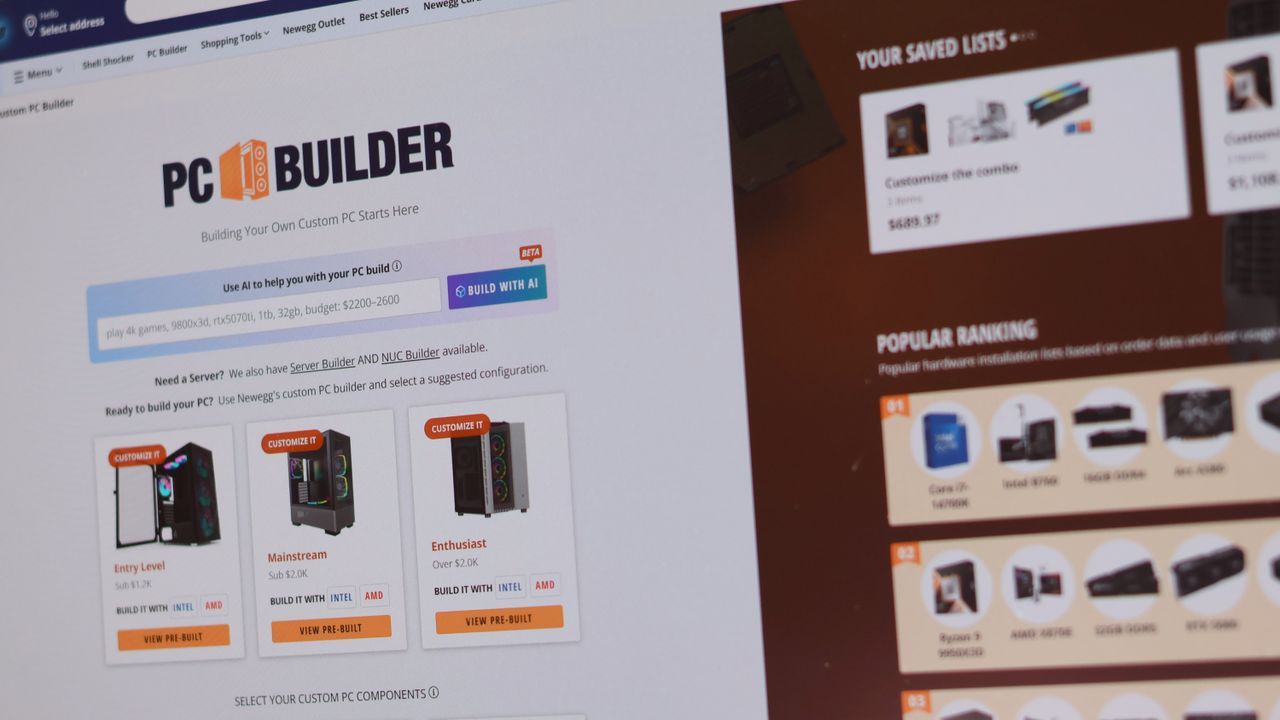
Finally, when tackling a major build or upgrade, leverage specialized tools. Newegg’s custom PC builder offers a fantastic way to instantly calculate the cost of components and often apply combo discounts. Whether you prefer selecting parts individually or using AI-powered ranked builds, these tools help bring clarity to the complex pricing landscape.
Ultimately, patience and compromise are your greatest assets in this market. While you cannot rewind time to 2024 prices, focusing on the current value of products rather than past benchmarks is key. By combining smart shopping habits—seeking bundles, exploring refurbished options, tracking prices, and using builder tools—you significantly increase your chances of finding those hidden diamonds in the rough.
Credit
