Become a crooked cop or follow Eisenhorn in Dark Heresy
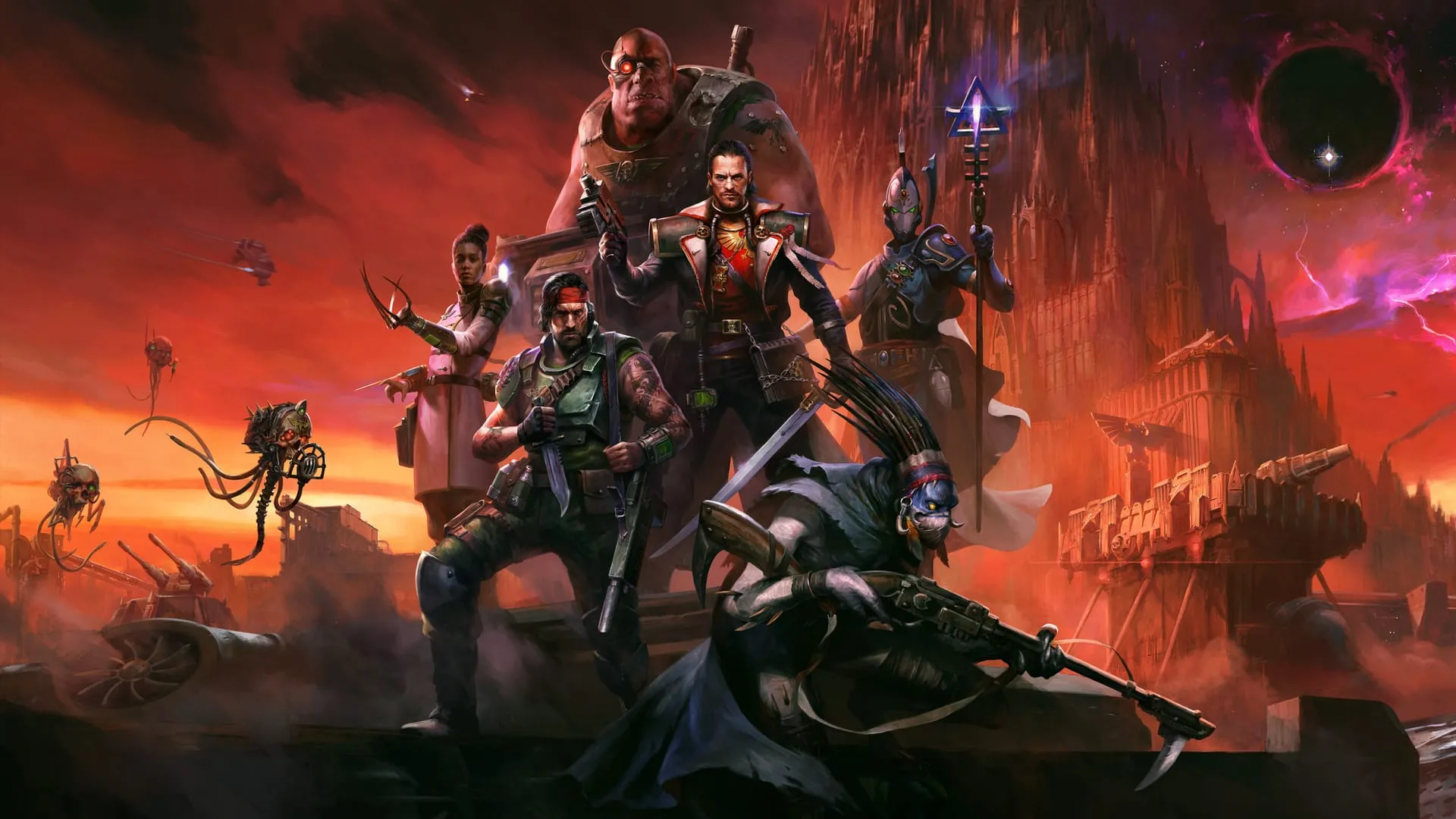
Who knew that solving complex criminal cases could happen in the comfort of a gaming chair? While many games offer compelling narratives, the true magic often lies in the mechanics of investigation. Yet, in the grimdark universe of Warhammer 40,000: Dark Heresy, the game doesn’t just tell a story—it demands that you become a detective. As an agent of the Inquisition, your mission isn’t simply to complete quests; it is to log evidence, make deadly accusations, and snoop through the darkest corners of the galaxy.
The gameplay challenges the player to engage with criminal investigation in a way that feels genuinely investigative. How does the universe allow you to put on the detective hat and uncover heresy while navigating the brutal reality of the setting? The answer lies in the sophisticated systems Owlcat has woven into the fabric of the game.
To explore these mechanics further, we sat down with Veronika Larionova, Owlcat’s senior narrative designer, to dissect how the detective system functions. The conversation dug deep into the design philosophy behind the investigation tools, the role of companions, and the consequences of the player’s decisions.
One of the core questions addressed was whether the investigative tools are strictly drawn from established lore or if the developers have introduced entirely new elements. The insight suggests a creative blend, pushing the boundaries of what a galactic inquisitor can achieve.
The inquisitor is armed with more than just wits; they have a specific set of tools at their disposal for their detective work. These tools determine how effectively a player can gather clues, interrogate suspects, and piece together a complex case in a setting defined by paranoia and heresy.
Beyond the player’s direct actions, the dynamic interactions with Non-Player Characters become crucial. How do NPC companions factor into the detective system? They are not just side characters; they are integral parts of the investigation, offering unique perspectives and complicating the path to truth.
The game masterfully balances the weight of evidence against the inherent chaos of the setting. Can a player conclude an investigation based on thin evidence? The system forces players to grapple with the reality that truth is often elusive, demanding a careful handling of circumstantial clues.
The narrative design also examines the role of chance. Is it possible to successfully conclude an investigation simply through luck, such as randomly picking a culprit? The system suggests that outcomes are deeply tied to the evidence collected, highlighting the high stakes involved in every deduction.
The repercussions for error are just as important as the successes. The design explores the gravity of wrong choices, determining the negative fallout experienced by the player when their investigations lead to incorrect conclusions. This adds a layer of genuine consequence to the grimwork.
Furthermore, the system probes the ethical dilemmas players face. Can a player manipulate the investigation by purposefully pinning evidence on the wrong person or group? The design allows for morally ambiguous choices, challenging the player to consider the ethical cost of their pursuit of justice in a world steeped in dogma.
Ultimately, the investigation mechanics allow players to step into the shoes of iconic figures like Gregor Eisenhorn, making choices that reflect a specific investigative philosophy. The goal is not just to play the character, but to inhabit the mindset of a seasoned inquisitor, making decisions that define the experience.
These layers of investigative gameplay elevate Dark Heresy beyond a simple RPG, transforming it into a deep, immersive experience where every clue and accusation carries significant weight. It’s a testament to how complex, morally grey storytelling can be delivered through engaging, mechanical systems.
Buy on Amazon
Credit
