Big brands push gaming mouse tech in 2026
The Price of Innovation: How Big Brands Are Redefining the Gaming Mouse
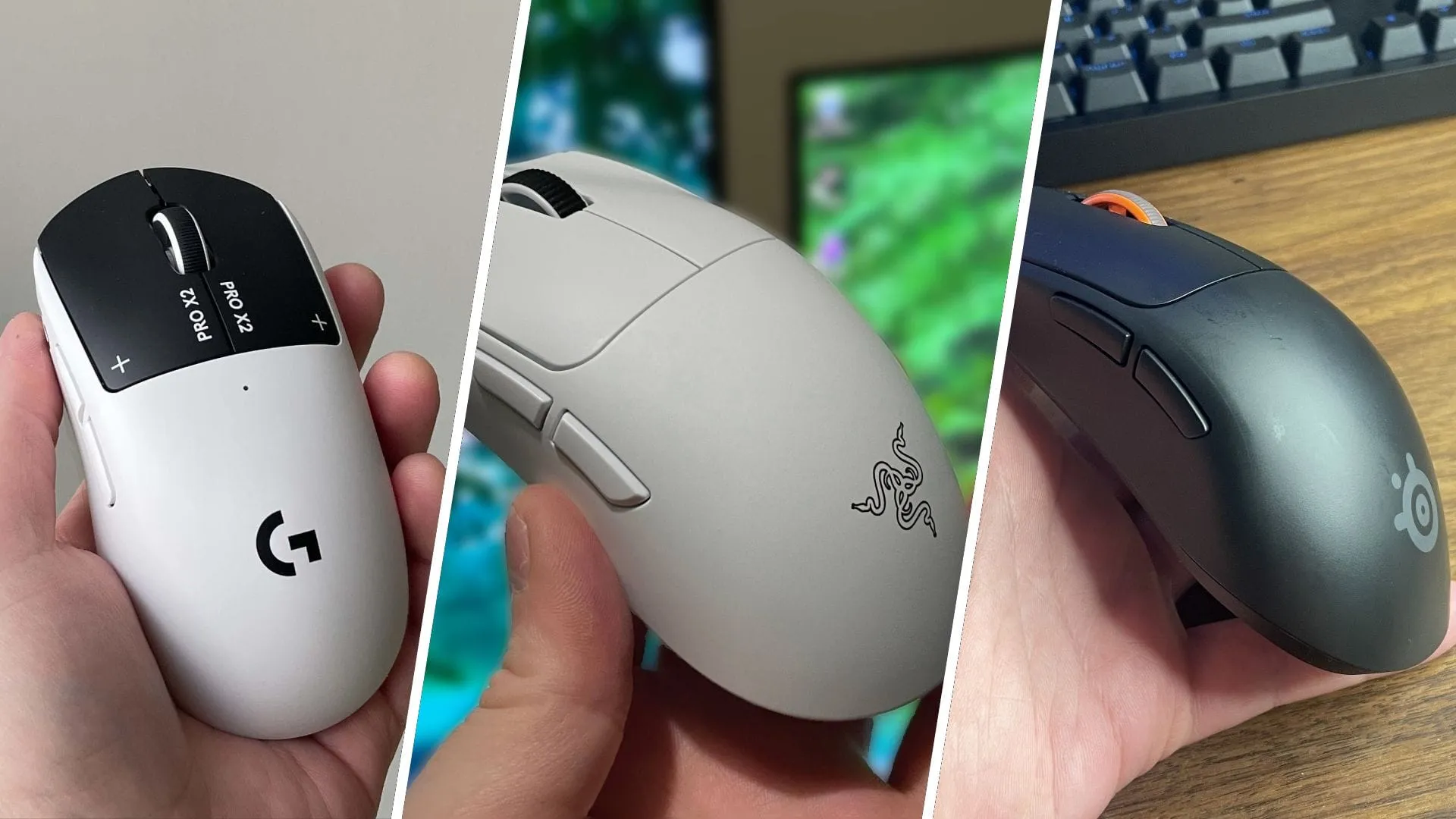
In the world of competitive gaming peripherals, the allure of a top-tier mouse often comes with a hefty price tag. Big brands like Logitech, Razer, and SteelSeries command prices around $180 to $200 for their flagship gaming mice. This reality often leads enthusiasts to question the value proposition, especially when compared to highly capable, often cheaper, options available from niche manufacturers.
Yet, amidst this expensive landscape, a fascinating technological arms race is unfolding. While the cost is undeniably high, these major players are not just selling hardware; they are pushing the boundaries of what a gaming mouse can do, integrating radical new technologies that are setting the standard for future peripherals.
The competition is moving far beyond simple sensor accuracy. The true innovation is being driven by sophisticated features that address latency, battery life, and user experience. For instance, Logitech pioneered haptic-inductive clicks, a system that allows users to adjust the actuation point and feel a physical click sensation, fundamentally changing the tactile experience of clicking. This technology, born from taking calculated risks, has established a powerful precedent for next-generation mouse design.
Razer stepped up the innovation game with FrameSync technology. This system synchronizes the mouse sensor’s data snapshots with the system’s polling rate, drastically reducing the amount of data the sensor needs to capture. The result? Significant battery savings while maintaining the lightning-fast responsiveness that gamers demand. This focus on efficiency demonstrates how big brands are using cutting-edge physics to deliver tangible performance gains.
SteelSeries is following suit by integrating Ultra-Wideband (UWB) wireless connectivity and claiming “true” 8K polling rates. UWB promises enhanced wireless reliability, while the pursuit of faster data transmission aims to eliminate latency, making the connection between the mouse and the PC virtually instantaneous. These advancements showcase a collective effort to refine the connectivity and performance that defines high-end gaming input devices.
These technological leaps are not isolated; they reflect a larger industry trend. While smaller, niche brands continue to offer excellent, high-quality alternatives—often providing incredible value—the big players’ willingness to absorb risk and invest heavily in novel technologies creates a positive ripple effect. They provide the necessary legitimacy and real-world validation for these innovations to spread across the entire market.
Ultimately, the story of competitive gaming mice is a fascinating mix of high cost and high ambition. While budget-conscious gamers have great options available, the major brands are undeniably pushing the envelope, ensuring that the standards for what a premium gaming mouse can achieve continue to rise.
Buy on Amazon
Credit
