Big Walk devs demand Xbox removal from BDS boycott targets
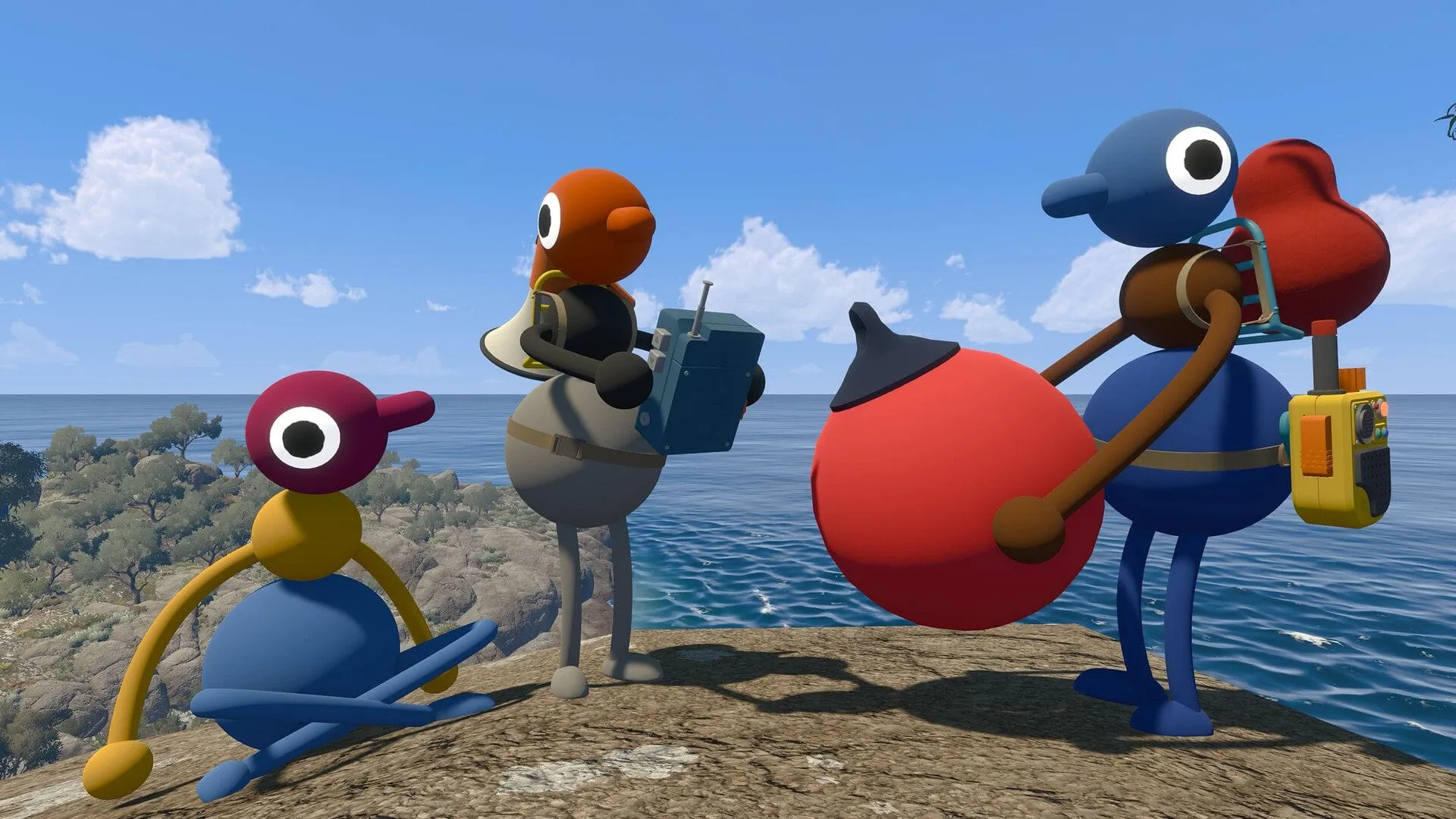
The Game That Divided: Why Big Walk Isn’t Going to Xbox
For many gamers, Big Walk has been more than just a game; it’s a shared experience. It has rightfully earned a spot among the top co-op titles, celebrated by players who cherish the bonds formed while tackling puzzles and adventures together. With a million copies sold and a massive player base, it remains a beloved piece of gaming culture, cherished by communities across the PC landscape.
However, the future of the game is facing a complex decision, one that extends far beyond gameplay mechanics. Developer House House has recently confirmed that Big Walk will not be coming to the Xbox platform anytime soon. This decision, while disappointing to players, stems from a deeper motivation tied to the wider geopolitical context surrounding the game’s developers and publishers.
House House emphasized that their initial vision for the game was centered on creating an experience for groups of friends, and keeping it off Xbox aligns with those core intentions. The developer acknowledged the disappointment this news causes, but stated clearly that the choice was made to uphold their goals.
The reasoning behind this choice is rooted in a larger movement. Last year, reports surfaced indicating that the Israeli military was utilizing customized Microsoft Azure services to store data from intercepted telecommunications in Gaza and The West Bank. This action spurred employee protests and led to Xbox being added to the targets of the BDS boycott campaign.
In response to this situation, House House framed their decision as an act of belief in the power of collective action. They stated that they made this choice because they believe that coordinated efforts can confront powerful interests and work towards meaningful change in the world.
The developers pointed toward the broader BDS campaign’s explainer and recommended reviewing the successes achieved through this kind of pressure on Microsoft. They highlighted the importance of watching the work of groups dedicated to effecting change, citing introductory pieces that illustrate the impact of such coordinated action.
Ultimately, the story of Big Walk becomes a reminder that games are not just entertainment; they are cultural products with real-world implications. The journey of this title illustrates how the lines between personal creative expression and global political action are increasingly blurred in the digital age.
Credit
