BIOS update hints at Intel Raptor Lake Next launch in 2027
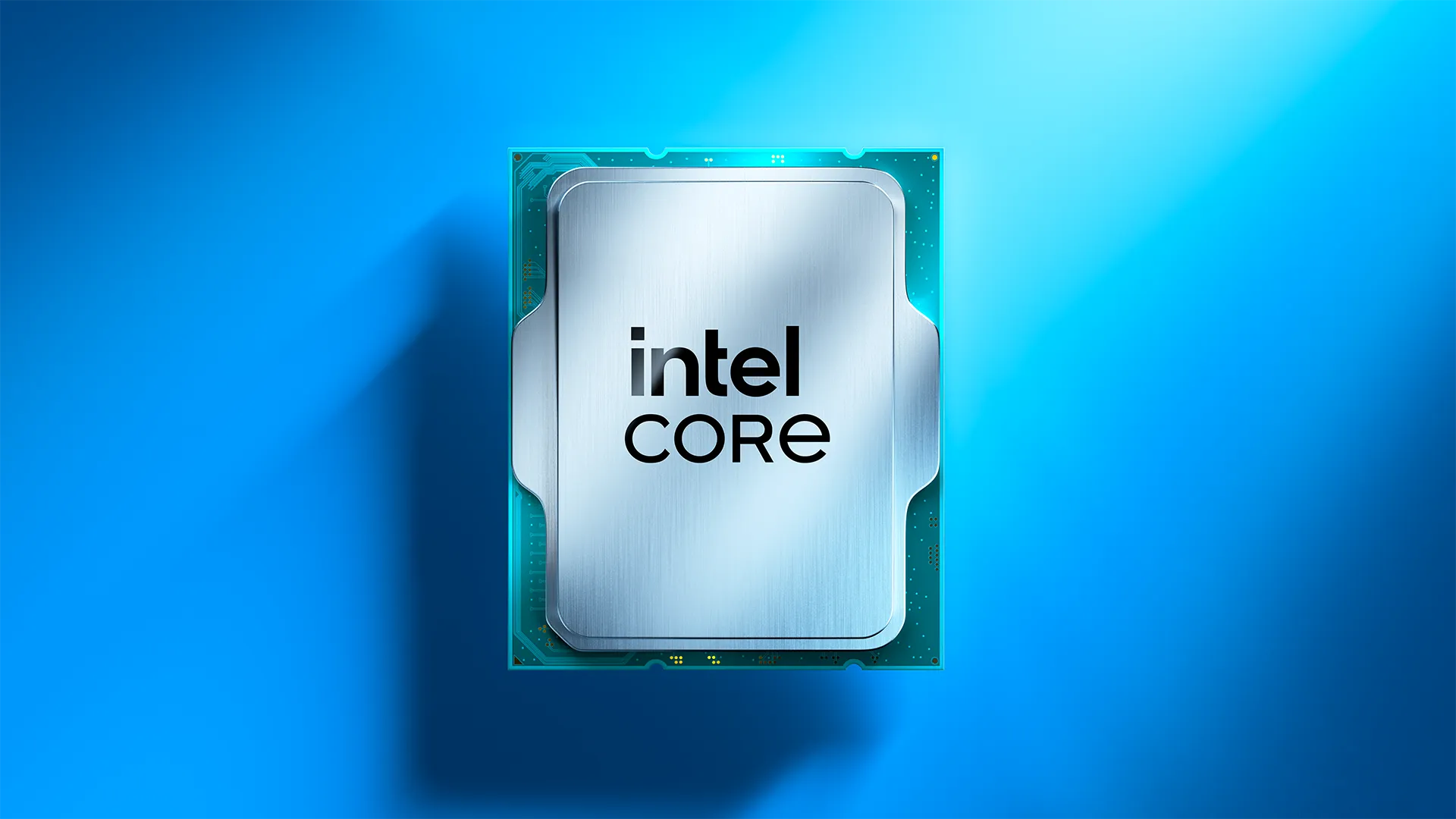
The PC hardware world is currently buzzing with news that promises a long, stable future for many enthusiasts: Intel is planning to extend the lifespan of its popular LGA 1700 platform, ensuring that existing motherboards can handle next-generation processors.
This strategic move is not just about new chips; it’s about continuity. Gigabyte has already stepped up to facilitate this transition by rolling out a critical BIOS update. This software extension ensures that a wide array of Intel B760 and H610 motherboards will maintain full compatibility with upcoming CPUs, making the upgrade path smoother and more accessible for current owners.
What makes this development particularly exciting is the compatibility layer. The new BIOS update extends support across both DDR4 and DDR5 motherboard families. Crucially, retaining compatibility with DDR4 memory is especially relevant in today’s market, where rising memory costs have made upgrading entire systems a significant financial consideration. This compatibility layer gives budget-conscious builders an invaluable option to refresh their CPU without needing to jettison their existing memory and motherboard investment.
Intel’s approach appears designed to keep the LGA 1700 socket viable for longer, addressing the lingering demand for DDR4 systems while pushing innovation forward. Intel‘s leadership has emphasized this strategy, noting that supporting the existing platform allows users to reuse their hardware instead of facing the necessity of moving to an entirely new platform.
Looking ahead, speculation is already mounting regarding the specifics of the forthcoming processors, anticipated for an early 2027 launch window. Rumors suggest that Intel may continue its branding strategy, potentially utilizing the Core 200 lineage across models like Core 3, Core 5, and Core 7 in the new Raptor Lake Next lineup.
Furthermore, leaked details hint at a powerful and diverse range of options. Speculation points toward models that could include a 20-core Core 7, a 16-core Core 5, and various configurations featuring specialized core counts and cache sizes, offering builders a wide spectrum of choices for performance and budget.
Ultimately, this development positions the LGA 1700 platform not as a relic, but as a flexible and enduring foundation for PC builders. By ensuring compatibility and longevity, Intel and its partners are setting the stage for a future where hardware upgrades are smart, sustainable, and tailored to the needs of the modern enthusiast.
Buy on Amazon
Credit
