BioShock 2 Director played Path of Exile for 7000 hours during horror game
The journey of a game developer is often a winding path through the most fascinating corners of gaming history. For Jordan Thomas, that path began not with a grand vision, but with the free-to-play demos of the shareware era—a time when games like Commander Keen and Wolfenstein served as the initial, delightfully immature gateways into the digital world.
From these early days, Thomas developed a unique sense of direction, quickly finding a focus in darker, more complex narratives. His industry debut involved crafting the famous level for Thief: Deadly Shadows, demonstrating an early knack for spatial design. After a brief pivot, he moved to Irrational Games, where he took the helm of design for titles like BioShock and BioShock 2. This foundation in creating atmospheric, world-building environments set the stage for his subsequent work.
Thomas didn’t stop there; he transitioned into an indie powerhouse, co-founding the studio Question. Here, he created games that explore the absurd and the deeply strange, including The Blackout Club and The Magic Circle. This period cemented his reputation as a designer who embraces thematic complexity, whether it’s through Shakespearean sin-eating or the twisted logic of the surreal.
Most recently, his attention has turned to the dark and visceral side of gameplay with The Killing Stone, a roguelike deckbuilder that plunges players into a 17th-century nightmare. The game delves into the psychological weight of inherited sin, proving that even the most brutal mechanics can carry profound thematic weight.
Thomas’s design philosophy seems deeply rooted in the concept of the immersive sim. He has long been fascinated by systems—how environments and enemy behaviors interact—and he believes that true immersion comes from designing systems where agency and consequence are paramount. This focus led him to explore genres where player choices carry tangible, immediate weight.
In exploring horror mechanics, he drew parallels between different titles. The experience of playing Hellraiser: Revival sparked an interest in non-Euclidean spaces and decaying relationships, leading him to look at titles like Condemned. He favors melee combat, believing it offers a more grounded, impactful form of interaction, valuing systems where the physics of the encounter dictate the outcome, rather than relying solely on shooting.
This focus on systemic interaction extended beyond gameplay. Working on projects like The Blackout Club, Thomas recognized the power of allowing players to solve mysteries outside of the game itself. He appreciated the live story components that allowed players to engage with the narrative in ways that extended beyond the screen, turning a game session into a communal experience.
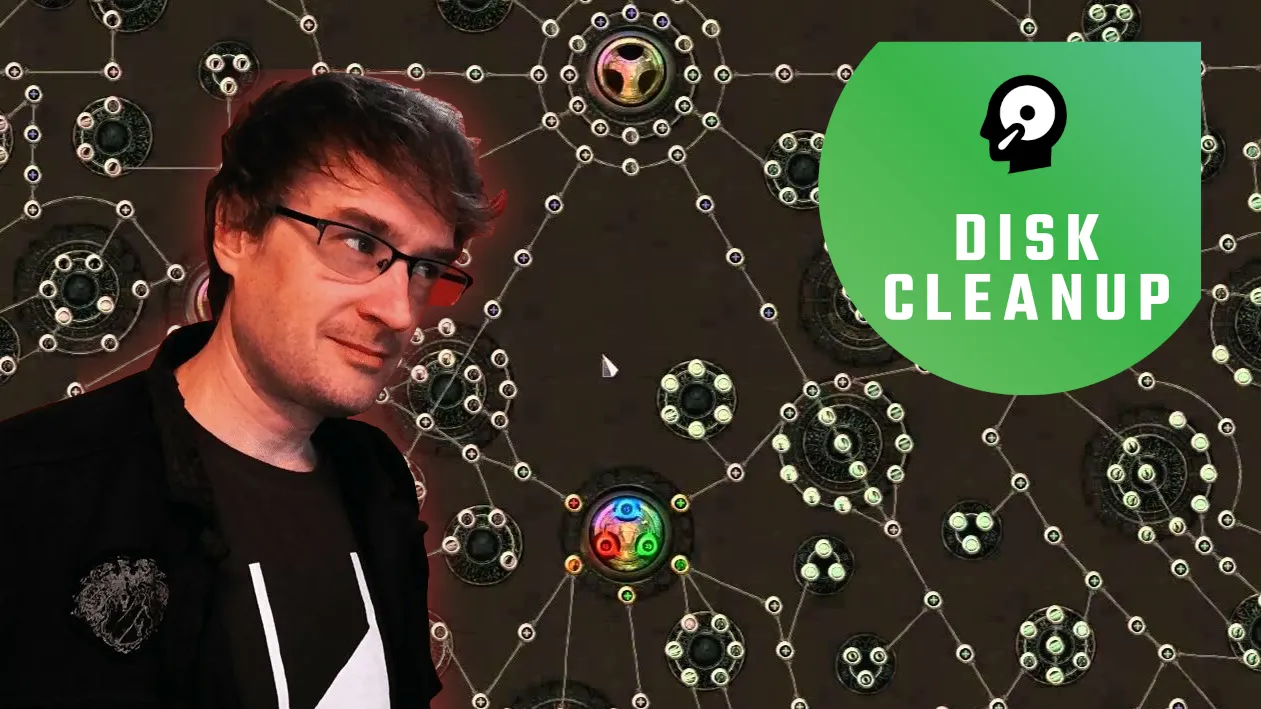
The sheer joy of systems design is reflected in his extensive engagement with games like Path of Exile, where he spent thousands of hours optimizing build mechanics. This commitment to deep, self-directed optimization reflects a core belief: that the most engaging experiences are those where players feel they are truly mastering the rules of the world they inhabit.
Whether it is the subtle mechanics of spatial awareness in old-school titles or the deep systemic complexity of modern RPGs, Jordan Thomas’s work highlights a passion for crafting worlds that are not just beautiful, but psychologically demanding. He reminds us that the most memorable gaming experiences are often those that challenge us to look deeper into the darkness.
Buy on Amazon
Credit