Blizzard punishes WoW gold buyers with real money
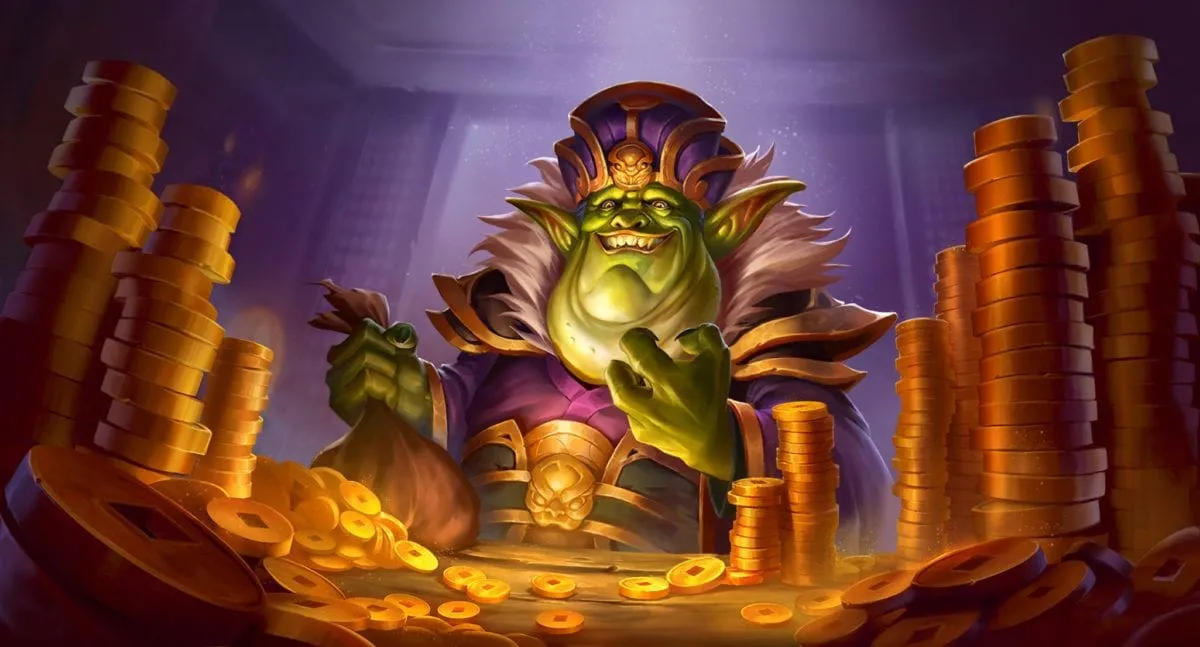
In the early days of World of Warcraft, the pursuit of in-game wealth was often a strange and sometimes grim spectacle. Players would sometimes stumble upon collections of corpses, seemingly left behind by gold sellers, which, when viewed from the right angle, spelled out a URL to illicit real-money transactions for in-game gold. Gold, naturally, was scarce, which naturally spawned an entire black market for buying it instead of grinding for it.
Even if you never ventured into those shady dealings, the presence of such market activity was impossible to ignore. Ads and advertisements for these services were often splayed out in front of players in popular cities, setting the stage for a complex, real-money trading (RMT) economy operating alongside the game’s official mechanics.
Now, as the game evolves and the economic stakes grow, the conversation shifts from the early hustle to the future stability of the in-game market. With the impending release of World of Warcraft: Forever, Blizzard is addressing the lingering concerns surrounding RMT, promising much stricter enforcement than in the past.
Game designer Josh Greenfield recently addressed these concerns in a Q&A session, tackling the complicated issue of guilds bidding on items using gold, known as “gold dragon kill points” or GDKP, and the inherent risks of RMT within the new environment. Greenfield was clear: the studio is taking action to prevent the in-game economy from spiraling out of control.
“Being frank, we’ve been probably too lenient on gold buyers and it’s been a little bit easy to get around some of our actions before and we are taking it very seriously,” Greenfield stated. He further stressed the importance of protecting the integrity of the trading system, emphasizing that players should not risk losing their accounts or progress for financial gain.
Greenfield strongly recommended that players avoid RMT, underscoring that the long-term value of their investment in an MMO far outweighs any short-term monetary gain. He implied a severe stance, suggesting that violations of the rules could result in permanent account bans rather than mere temporary suspensions.
The core worry for developers is simple: severe inflation can fundamentally erode the value of trading between players. In an MMO where leveling is continuous and new content is constantly introduced, maintaining the sanctity of the economy is crucial. Greenfield pointed out that Blizzard possesses the tuning mechanisms necessary to control supply and demand, ensuring the in-game economy remains balanced.
This focus on economic stability is not unique to World of Warcraft. In other games, particularly action RPGs that thrive on player trading for rare drops, the volatility can be devastating. Experienced players have seen how quickly exploits can cause prices to go haywire, demonstrating that a healthy, predictable economy is vital for a satisfying experience.
As the market evolves, the challenge for all MMO developers is to build systems where the in-game economy is robust enough to stand on its own merits. Ensuring that the joy of trading and skill development remains central—rather than being threatened by real-money speculation—is the ultimate goal for maintaining a thriving virtual world.
Buy on Amazon
Credit
