Blizzard World should be a real park here’s why
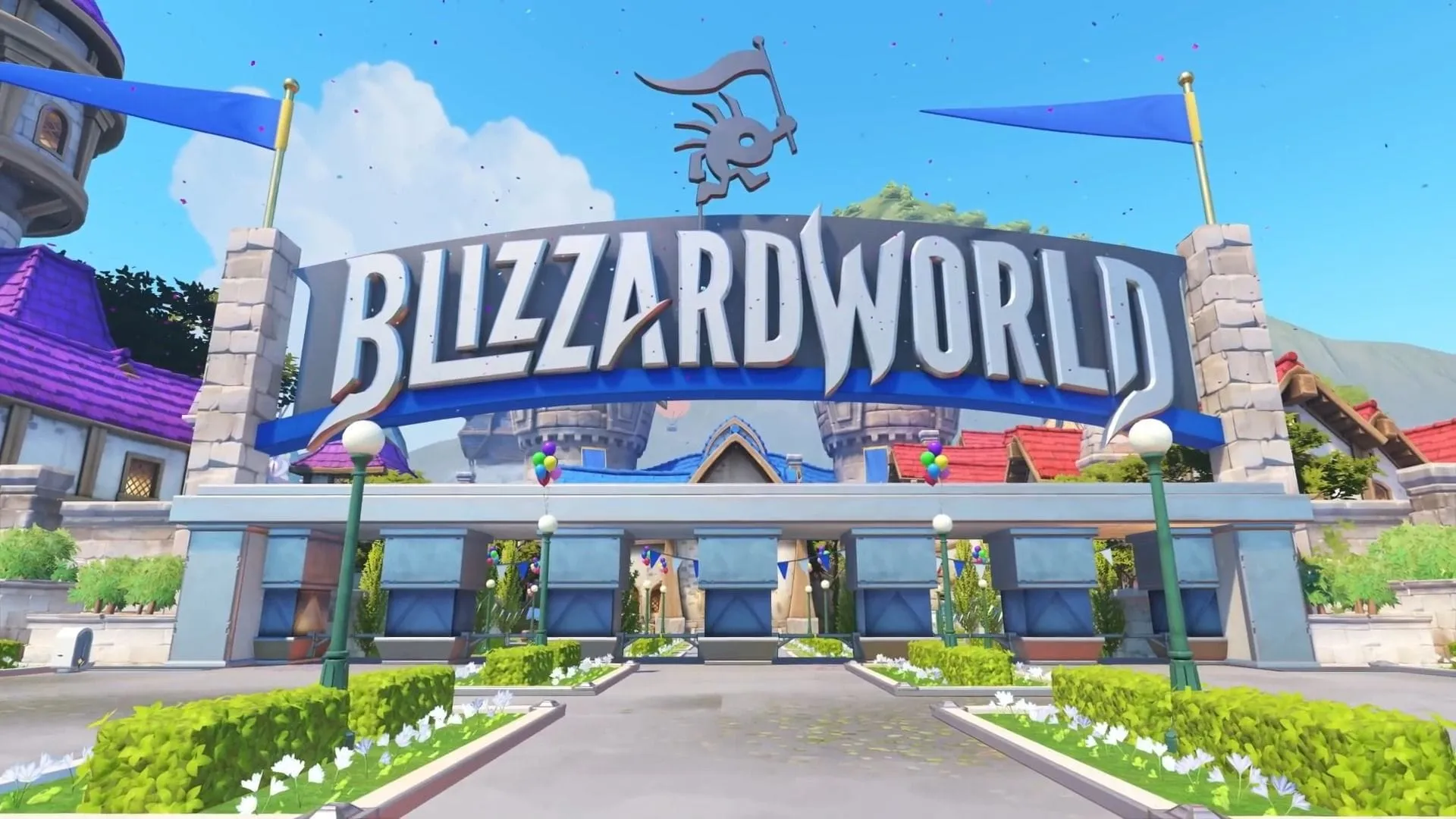
The dream of bringing gaming franchises out of the screen and into the real world is more than just fantasy—it’s becoming an economic imperative. As game development giants like Xbox explore avenues to expand their reach beyond traditional gameplay, the concept of transforming intellectual property into immersive, physical experiences is gaining serious traction. This shift suggests that the future of gaming isn’t just about pixels and controllers; it’s about building worlds that fans can step into.
The idea of dedicated divisions focused on off-platform revenue streams, like Xbox’s Division XP, signals a major pivot. It recognizes that the value of a beloved franchise extends far beyond the console and into movies, television, merchandise, and massive entertainment venues. This focus on leveraging IP for diversified revenue creates an opening for creating physical destinations that capitalize on fan loyalty.
Take the world of Blizzard Entertainment, for instance. Fans have long envisioned concepts like a Blizzard World, a hybrid map set inside a fictional amusement park. This concept is a delightful nod to the beloved IP, mixing elements from iconic universes like Hearthstone, StarCraft, and Diablo into a unified, tongue-in-cheek environment. It is the ultimate evolution of a fan experience, bridging digital lore with tangible reality.
The sheer passion behind this vision is undeniable. When enthusiasts gather, whether at massive conventions or simply discussing lore online, the demand for tangible experiences skyrockets. While large conventions like BlizzCon offer a necessary connection point for the community, they are inherently expensive and time-limited. The demand for accessible, ongoing engagement suggests that permanent, real-world destinations offer a more sustainable and accessible way for fans to connect with their favorite games.
The logistics of creating such a destination might seem daunting, but the model is already being tested. The idea isn’t necessarily about building a sprawling, multi-billion-dollar resort from scratch. Instead, it could evolve as an expansion, much like how other companies are integrating IP into existing entertainment landscapes. Imagine a Blizzard-themed zone integrated into an existing destination, offering families a unique and memorable outing.
This approach is already demonstrating feasibility. Companies like Mojang and Merlin Entertainments are actively pursuing similar expansion strategies, successfully adding Minecraft World to Chessington World of Adventures. This precedent proves that integrating gaming IP into physical entertainment venues is not only possible but financially viable.
Ultimately, the foundation is laid. The combined power of established IP, dedicated fan enthusiasm, and innovative business models creates a powerful push toward turning digital legends into physical landmarks. The question is no longer whether these worlds can exist, but how quickly we can turn the shared passion for gaming into shared, unforgettable adventures in the real world.
Buy on Amazon
Credit
