Books bought by the ton Japanese bookstores see 5x sales
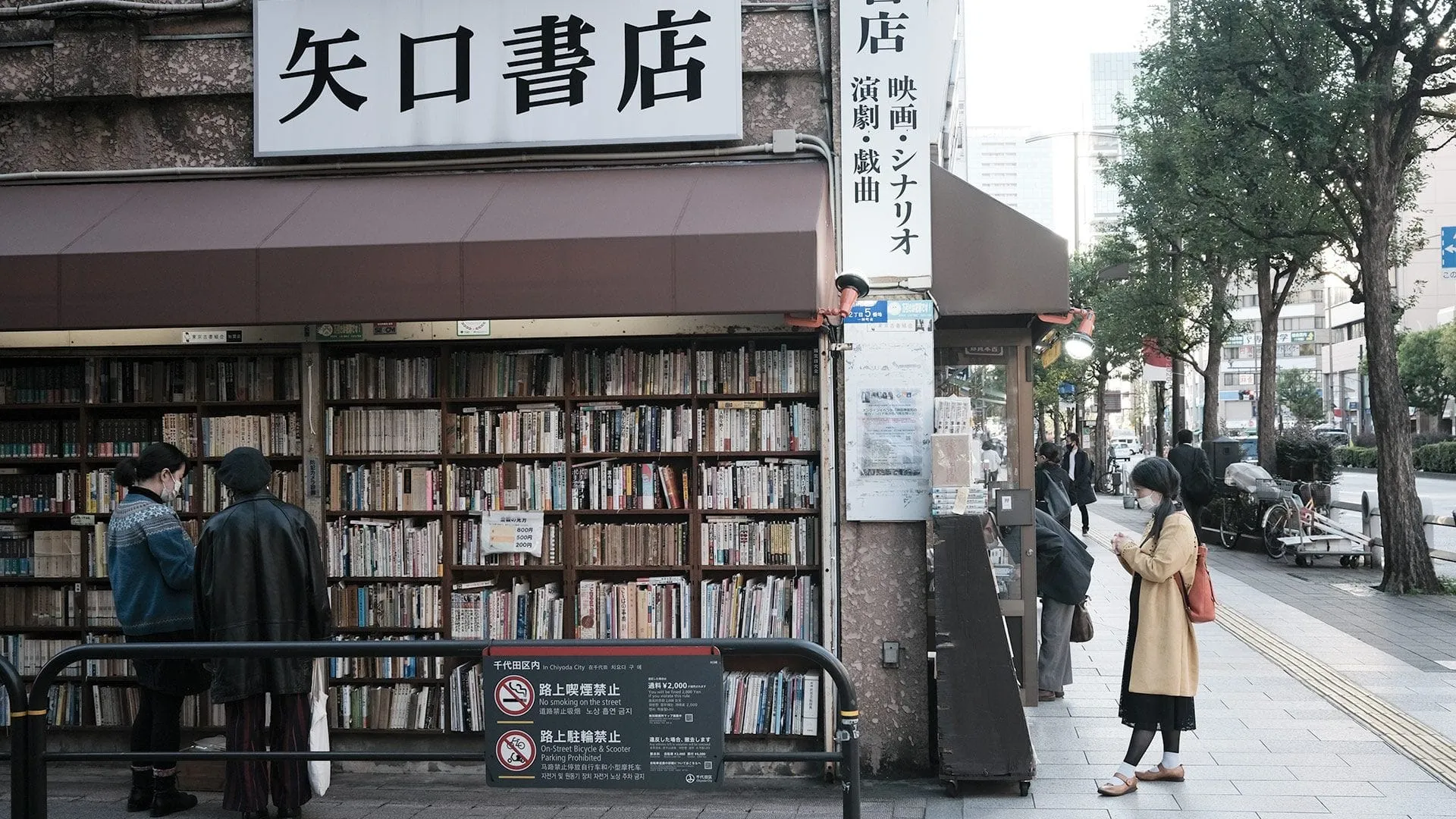
Japan’s used bookstore scene is currently experiencing a fever, with sales skyrocketing as readers flock to second-hand volumes. But beneath this rush of commerce, a growing sense of unease is taking hold among shop owners. The sheer volume of books being traded raises a startling question: what is happening to the physical history and culture that these stores hold?
The market surge is undeniable. Some stores report selling hundreds of books daily, and in peak periods, sales have multiplied fivefold. Yet, this rapid growth is shadowed by suspicious bulk orders. Reports indicate that these massive shipments of well-read hardbacks and paperbacks are not simply moving between consumers and sellers, but are being directed toward a single destination: a logistics center in Okayama Prefecture.
The underlying suspicion is that these books are being targeted for a specialized operation. It is theorized that foreign AI tech giants are orchestrating a scheme to scan and shred these volumes, treating physical books as raw data for training artificial intelligence models. This narrative echoes broader concerns circulating in the tech world, where there have been reports of corporations secretly acquiring vast libraries for AI learning purposes.
This operation is not isolated. Evidence suggests similar bulk acquisition methods are being used across the country, prompting grave concerns about the fate of cultural works. Some inquiries even surfaced when a used bookstore in Western Japan received an email from a foreign company inquiring about an order of tens of thousands of books.
The types of books being sought further hint at this large-scale data extraction. Rather than just popular fiction, the bulk buyers have shown a distinct interest in subjects like philosophy, history, law, medicine, and even cultural topics such as the life and culture in the Edo period. This suggests a systematic effort to aggregate comprehensive historical and intellectual data.
For bookstore owners, the situation presents a delicate dilemma. While the sales boom is a welcome financial boost, the prospect of having used books completely removed from circulation raises serious concerns about the future viability of the businesses—impacts on stock availability and pricing.
More critically, there are profound ethical and legal questions surrounding the use of copyrighted works for AI learning. While the act of scanning and using books for AI training may be legally permissible in Japan, the existence of these underhand bulk operations forces a moral reckoning. If these processes are conducted without explicit permission or compensation to the copyright holders, the removal of important cultural works from circulation demands serious scrutiny.
The central tension remains: how do we balance the demands of technological advancement and the pursuit of knowledge with the preservation of physical heritage and intellectual property in the digital age?
Buy on Amazon
Credit
