Bouncing screensaver and Steam Frame pricing
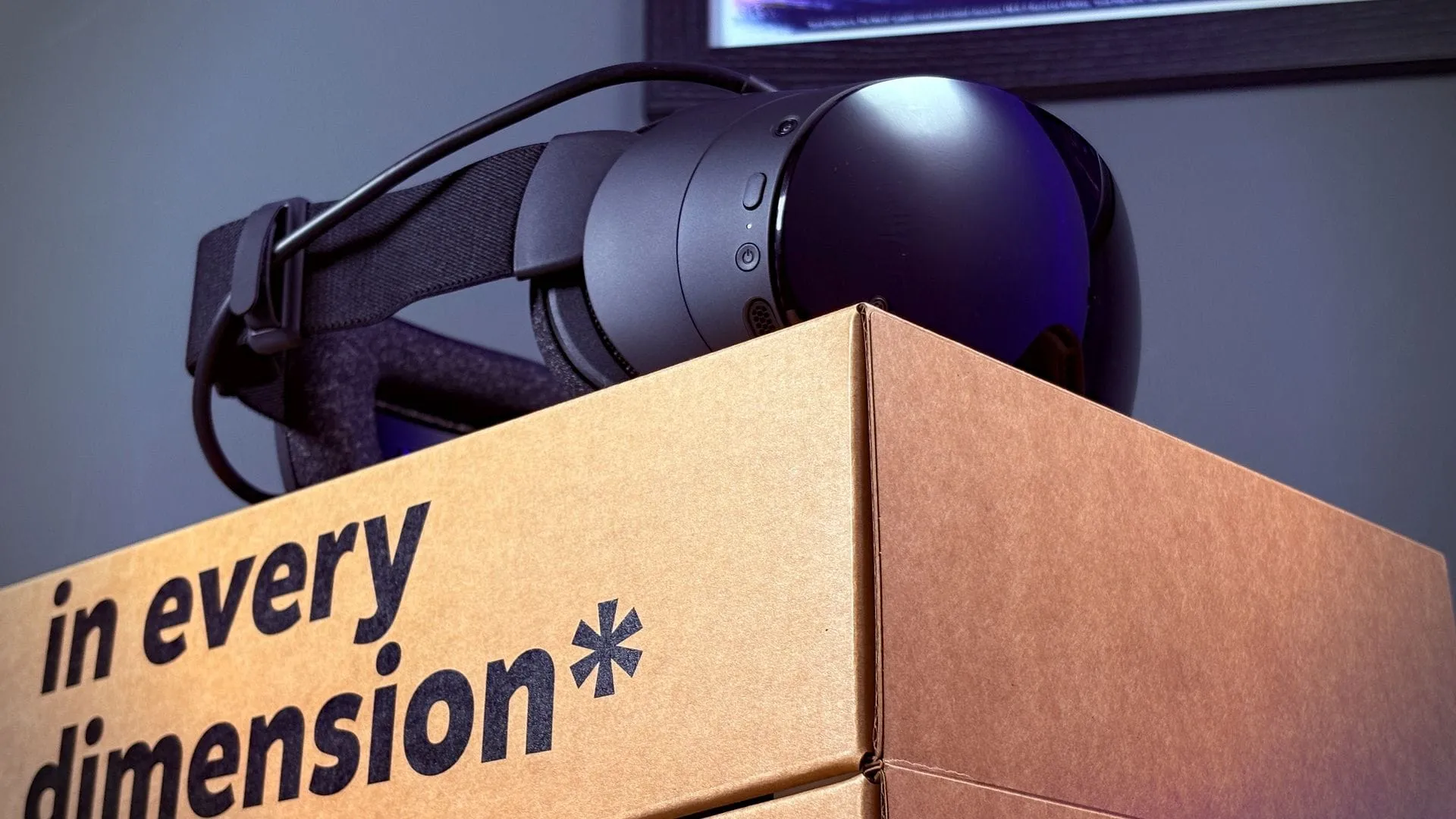
The dream of virtual reality is thrilling, but let’s be honest: the entry cost for cutting-edge hardware often feels like a significant hurdle. When a VR headset starts at a price point near $1,059, the financial reality can sometimes overshadow the excitement of diving into the digital void.
But what happens when the hardware remains aspirational? The brilliant solution often lies not in waiting for a price drop, but in embracing the power of community creativity. Fans of Valve’s Stream Frame have stepped up to provide a clever workaround, turning a financial frustration into a creative opportunity.
One such ingenious project has emerged from the community: a custom Windows screensaver. This project takes the existence of the Stream Frame hardware and uses it to create a digital illusion. By displaying artwork of the headset and its controllers bouncing across the desktop, users can essentially pretend they already own the expensive gear, even if they don’t possess the physical machine.
It’s a perfect mental escape. As the artwork twirls around the screen, viewers can indulge in the fantasy of ownership without the financial commitment. It transforms a barrier into a playful digital interaction, allowing the community to enjoy the aesthetic of the technology, regardless of their current budget.
This is the spirit of open-source design at its finest. The screensaver itself is completely free and open source, distributed under the MIT license, and fully customizable. Developers have released the necessary files, including a ready-to-run .scr file, allowing anyone to download and modify the experience.
Furthermore, this philosophy extends to the broader hardware ecosystem. Valve has already demonstrated this commitment by releasing the CAD files for the Stream Frame and its controllers under a Creative Commons license. This move encourages users to tinker and experiment, unlocking an era of customized 3D-printed creations based on the hardware.
The ability to freely modify these files means that hardware enthusiasts are not just consumers, but creators. They can build, redesign, and experiment with the components, turning expensive gadgets into personalized canvases for digital imagination.
Ultimately, this kind of community-driven innovation shows that when access is limited, creativity flourishes. It proves that the true value of technology isn’t just in the hardware itself, but in the shared experience and the boundless ability to reimagine what that technology can be.
Buy on Amazon
Credit
