Bypass Nvidia’s GPU AI limiter with a USB tool
Unlocking the Hidden Power: How an Open-Source Tool Exposed Nvidia’s AI Throttle
For years, high-end NVIDIA graphics cards were running with a built-in limitation—a “half-speed AI throttle”—which restricted their full tensor performance. This limitation, embedded deep within the GPU’s firmware, meant that even the most powerful RTX cards were operating below their true potential when handling intensive machine learning and matrix mathematics. Now, a clever community-developed tool is letting enthusiasts bypass this restriction entirely, unlocking significant extra performance across the RTX 20, 30, and 40 series.
The innovation comes in the form of the nv-uefi-unlocker project, an open-source UEFI tool that sidesteps traditional methods like flashing VBIOS or patching drivers. Instead, this project leverages a community-developed payload and a custom process to trick Nvidia’s signed Booter firmware. By opening write locks on specific speed-selector registers, the tool allows the tensor units to run at their absolute maximum rate, delivering a substantial boost to FP16 math performance.
How does this process work without requiring complex modifications? The unlocker operates entirely in the firmware stage, executing before the operating system and Nvidia driver load. It runs directly from a bootable USB drive, meaning users can execute the unlock simply by booting into a one-time menu. This method is safer than previous experimental builds because it includes a crucial read-back verification step, ensuring the integrity of the firmware modifications.
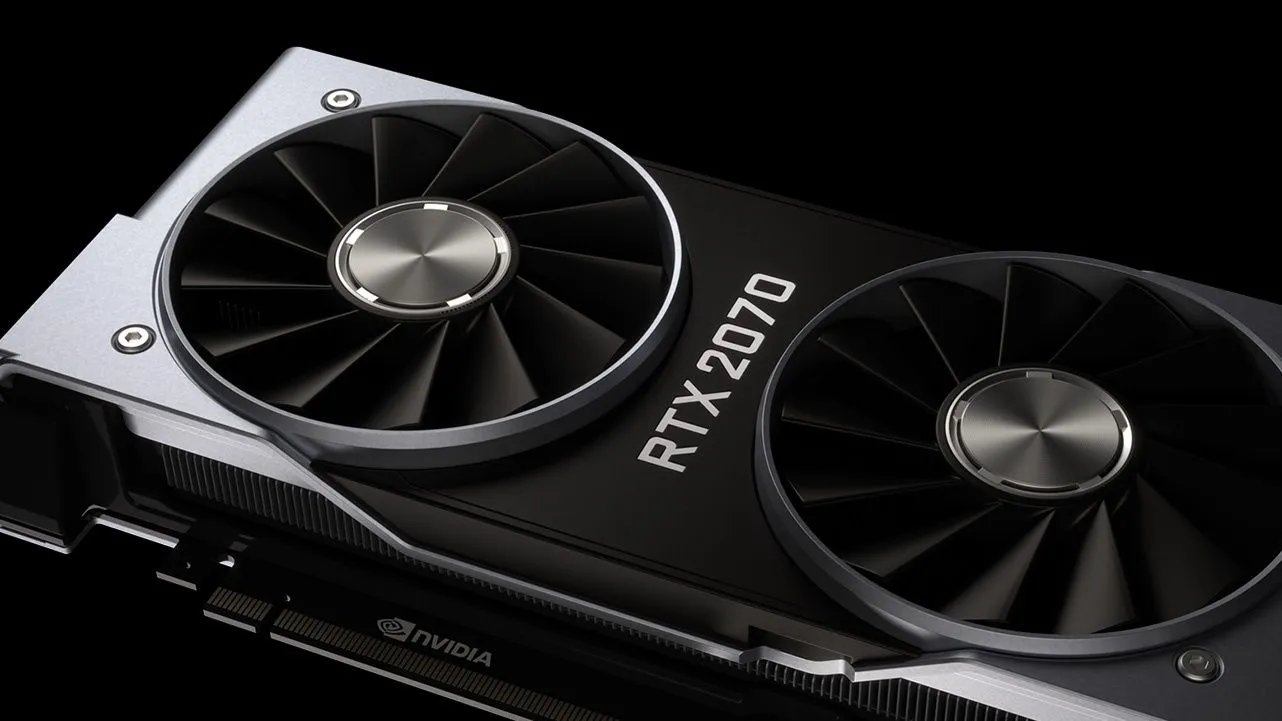
The impact on real-world performance is striking. Tests have shown dramatic gains, with some users reporting performance increases of up to 1.91 times the original speed on cards like the RTX 4080, and substantial FP16 math acceleration on the RTX 2070. For instance, one desktop user saw their RTX 2070 jump from about 34 TFLOPS to around 62 TFLOPS in matrix multiplication.
This achievement extends beyond desktops. The tool has demonstrated compatibility with both laptop GPUs and systems utilizing the newest RTX 40-series cards. Developers have tracked results across various models, confirming that the process works across different chip families, although specific card compatibility requires careful checking, as some models and generations still have known limitations or pending verification.
While the performance gains are exciting, the process is not without caveats. Because the unlock happens at the firmware level, it does not persist through power loss, meaning the adjustment must be reapplied upon every system boot. Furthermore, users must ensure their system is running in UEFI mode, often requiring settings adjustments like disabling Secure Boot to avoid conflicts with anti-cheat software. For laptop users, specific configurations are recommended to manage power and thermal limits effectively.
Despite these technical hurdles, the project has significantly lowered the barrier to entry for advanced hardware customization. By providing a simple, accessible, and verified method, the nv-uefi-unlocker project has successfully opened the door for a wider audience to explore and maximize the untapped potential of their powerful NVIDIA hardware.
Credit
