ByteDance accesses 2000 Nvidia B200 chips via Norway data center
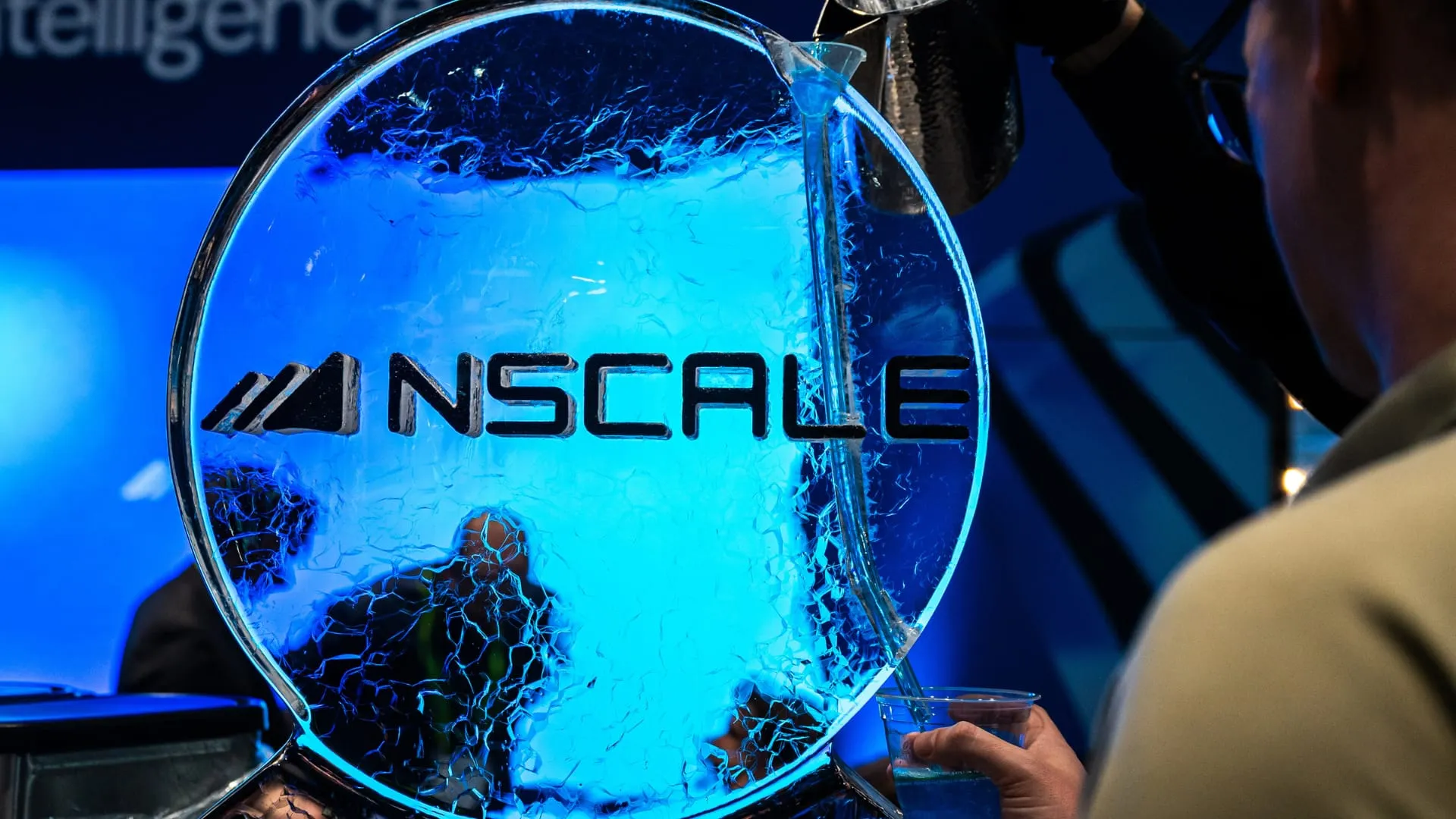
The race for the most advanced artificial intelligence chips is fueling a complex, high-stakes game played across borders. At the intersection of cutting-edge data center infrastructure and international export controls, a recent deal involving a UK-based firm and a major tech giant has brought this geopolitical tension into sharp focus.
Nscale, a company operating in the data center space, built a significant part of its business model on an arrangement with a ByteDance subsidiary named Spring. This deal provided Spring access to 2,304 Nvidia B200 chips housed in Nscale’s facility in Glomfjord, Norway. This arrangement accounted for a substantial portion of Nscale’s annual revenue in 2025, demonstrating how strategic partnerships can bridge the gap between hardware demand and global supply chains.
However, this arrangement existed in a regulatory gray area. While financial reports indicated the transaction was legal, it exploited existing loopholes in the United States’ ongoing export controls targeting China. This created a significant exposure for Nscale, placing the company under scrutiny regarding its access to advanced AI accelerators, especially as Washington continues to restrict China’s access to the very chips driving the AI revolution.
The complexity of the situation required extra oversight. To ensure compliance, Nscale was compelled to monitor how the Chinese subsidiary used the chips and report any “compute anomalies or suspicious configurations” that might violate U.S. export laws. Furthermore, an independent third party conducted due diligence on both the TikTok parent company and the Singapore-based subsidiary to ensure the entire transaction adhered to legal requirements.
Despite the regulatory complexities, the deal proved immensely valuable. Following the initial loan from Macquarie, Nscale successfully secured major commitments from industry giants. Jensen Huang, CEO of Nvidia, committed to investing over $660 million into the company, and Nvidia subsequently increased its promises, including a $2 billion commitment and an additional $860 million guarantee on Nscale’s lease at a Texas facility.
This foundational success allowed Nscale to pursue even larger contracts, including a $44 billion deal with Microsoft and another $45 billion contract with Anthropic. These agreements helped Nscale significantly reduce the proportional impact of the Spring contract on its overall revenue as it expanded its client base in the West.
As the landscape shifts, the rules governing access to high-end AI hardware are rapidly evolving. While some Chinese entities have sought to circumvent restrictions by using foreign subsidiaries, recent actions by the U.S. administration indicate a move to close these loopholes and further restrict access to advanced AI chips like Blackwell and Vera Rubin.
This regulatory tightening, coupled with shifts in the hyperscale market—where major AI players are increasingly looking for smaller data center deals to meet current demand—suggests that the future of AI infrastructure will be defined not just by technological leaps, but by the intricate, and often challenging, navigation of global trade policy.
Buy on Amazon
Credit
