California sues 3D printer company for ghost gun promotion
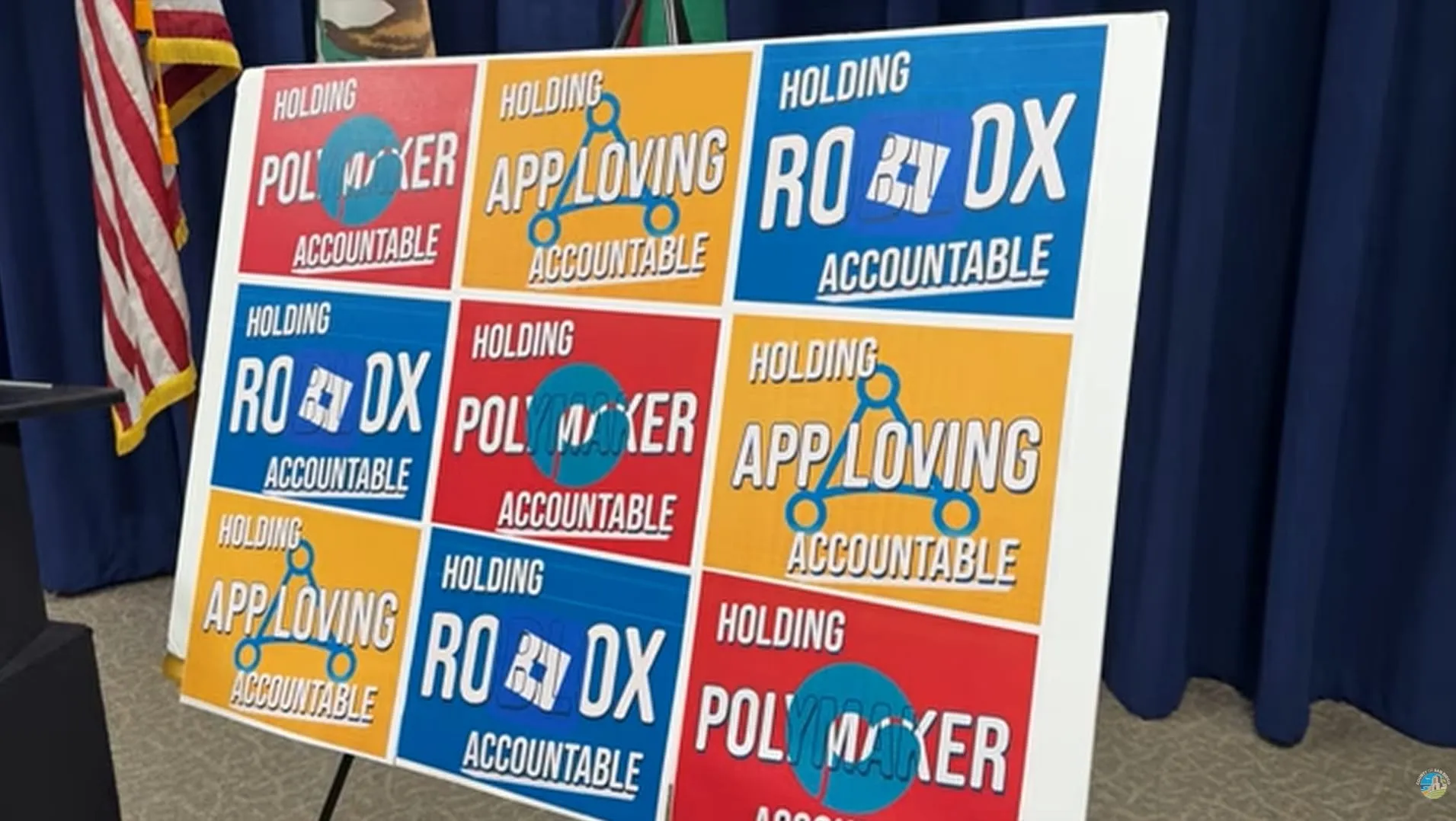
The world of 3D printing is often celebrated for its accessibility and innovation, but some recent legal challenges are forcing a hard look at the digital supply chains that feed into our hobbies. In a move that blurs the lines between filament and firearms, Polymaker LLC, a major manufacturer of 3D printing material, is facing a civil lawsuit in California.
The complaint alleges that Polymaker marketed its products in a way that appealed directly to gun enthusiasts, effectively transforming harmless materials like PLA filament into regulated “firearm precursor parts.” Under California law, this is a serious claim: a firearm precursor part is defined as any item marketed to the public to become or be used as the frame or receiver of a functional firearm once completed.
The lawsuit seeks substantial relief, including disgorgement of profits and civil penalties. While the complaint acknowledges that the filament itself is not illegal, the core argument centers on the company’s active role in cultivating and monetizing the “ghost gun” community.
Central to the allegations is the relationship Polymaker cultivated with Sean Aranda, a prominent 3D printing expert and gun enthusiast. The legal filing suggests that Polymaker specifically hired Aranda, who was already active in the online community, to foster their online presence. This connection is highlighted in the extensive complaint, where Aranda is repeatedly referenced, implying his role was tailored specifically to connect the material to the firearms enthusiast demographic.
The strategy appears to hinge on the common marketing tactic used across the online creator economy: affiliate links. Content creators often use these links to promote the products they use, receiving a commission for sales generated through their audience. Polymaker supports all 3D printing content creators by making the application for affiliate links publicly available on its website, asking only for basic information like name, location, and follower count.
This openness creates a potential liability. If a manufacturer operating in one state can be held civilly liable in another state because a digital influencer used their product in a manner that is illegal in their home state, the legal ramifications could be massive. The case raises a wider question about digital accountability.
Ultimately, this legal challenge extends beyond 3D printing. It suggests that every entity in the digital age—from raw material suppliers and software developers to desktop hardware manufacturers—may find themselves in the crosshairs as the legal framework struggles to keep pace with how products are marketed and consumed online.
Buy on Amazon
Credit
