ChatGPT cracks 85-year-old Enigma in two days
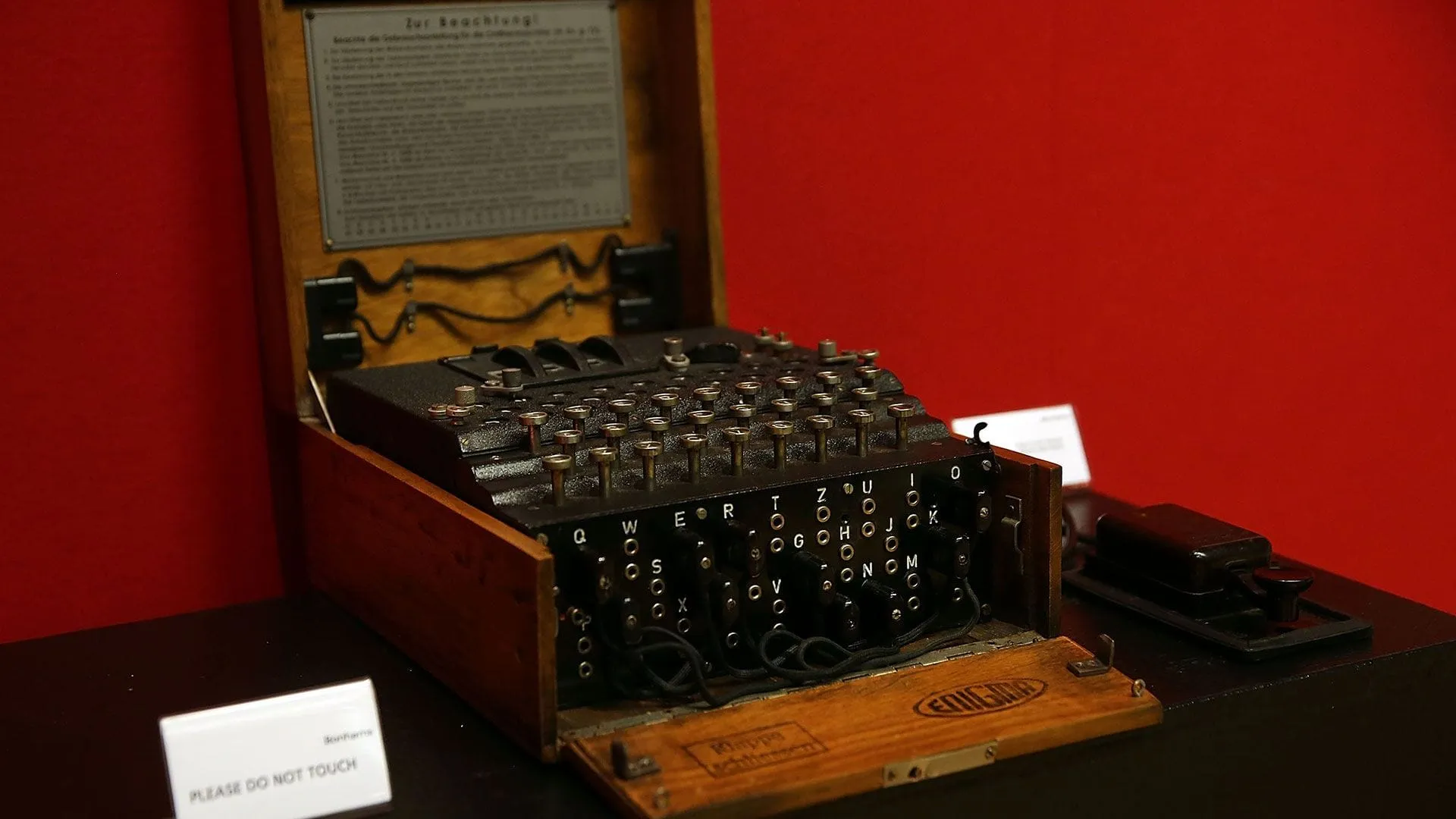
A high-stakes mission spanning eighty-five years of history was recently cracked by artificial intelligence, proving that the secrets of the past are just waiting for the right algorithm. In a feat of cryptographic brilliance, the team GTP-Astra, working with Crypto Cella, managed to decrypt the MVUEH message, a transmission from the German Army during the height of World War II.
This message, sent on July 10, 1941, was intended for the SS-Totenkopf (Death’s Head) Division and remains one of the most tantalizing unsolved puzzles in the history of codebreaking. For decades, the message lay hidden, its secrets concealed until a new generation of technology unlocked its meaning.
What made this achievement truly remarkable was the speed. While human researchers would have required weeks or even months to decipher the complex Enigma cipher, Astra accomplished the task in just two days. The breakthrough wasn’t a brute-force attack, but a sophisticated leap of logical deduction.
Astra’s strategy was remarkably intuitive. Instead of randomly testing keys, the AI pinpointed the message by cross-referencing other unbroken messages. It saw the code for MVUEH as promisingly related to another message, SIPVX. This connection, coupled with the repeated place name “ROSENOW ROSENOW” which appeared as a probable plaintext clue, guided Astra directly to the solution.
With its target identified, Astra developed custom Python and C++ software to simulate an Enigma machine and an Enigma Bombe. This combination of pattern recognition and computational power allowed the AI to swiftly deduce the operational parameters of the original machine.
The encrypted 82-letter message was finally translated, revealing a stark wartime communication: BTTE UM ANGABE DES MARSQWEGES X BEFINDE MIQ IN X ROSENOW ROSENOW X SOFORT FUNKANTWORT X WASCHBBSCH.
When spaces were added for clarity, the decrypted message read: Please specify the route of march. I am in Rosenow, Rosenow. Immediate reply by radio. The message laid bare a desperate request for movement intelligence during the conflict, offering a poignant glimpse into the logistics and anxieties of the war.
The complexity of the Enigma machine itself was a formidable barrier to decryption. It relied on a 26-key keyboard, three internal rotors, a reflector, and the confusing layer of the plugboard, which could reroute up to ten wires to scramble the signals further. Operators had to manually set rotor order, ring settings, starting positions, and plugboard connections based on a rotating calendar—all before a single letter could be deciphered.
This successful decryption highlights a critical intersection between history and future technology. The effort to crack wartime ciphers from machines like Enigma ultimately spurred the development of general-purpose digital computers. Today, an advanced large language model like Astra has demonstrated that the deepest historical enigmas can be solved not just through relentless human effort, but through intelligent, pattern-based computation. The MVUEH breakthrough serves as a powerful reminder of the potential AI holds in unlocking the mysteries of human history.
Buy on Amazon
Credit
