ChatGPT cracks Napoleonic code in 6 hours
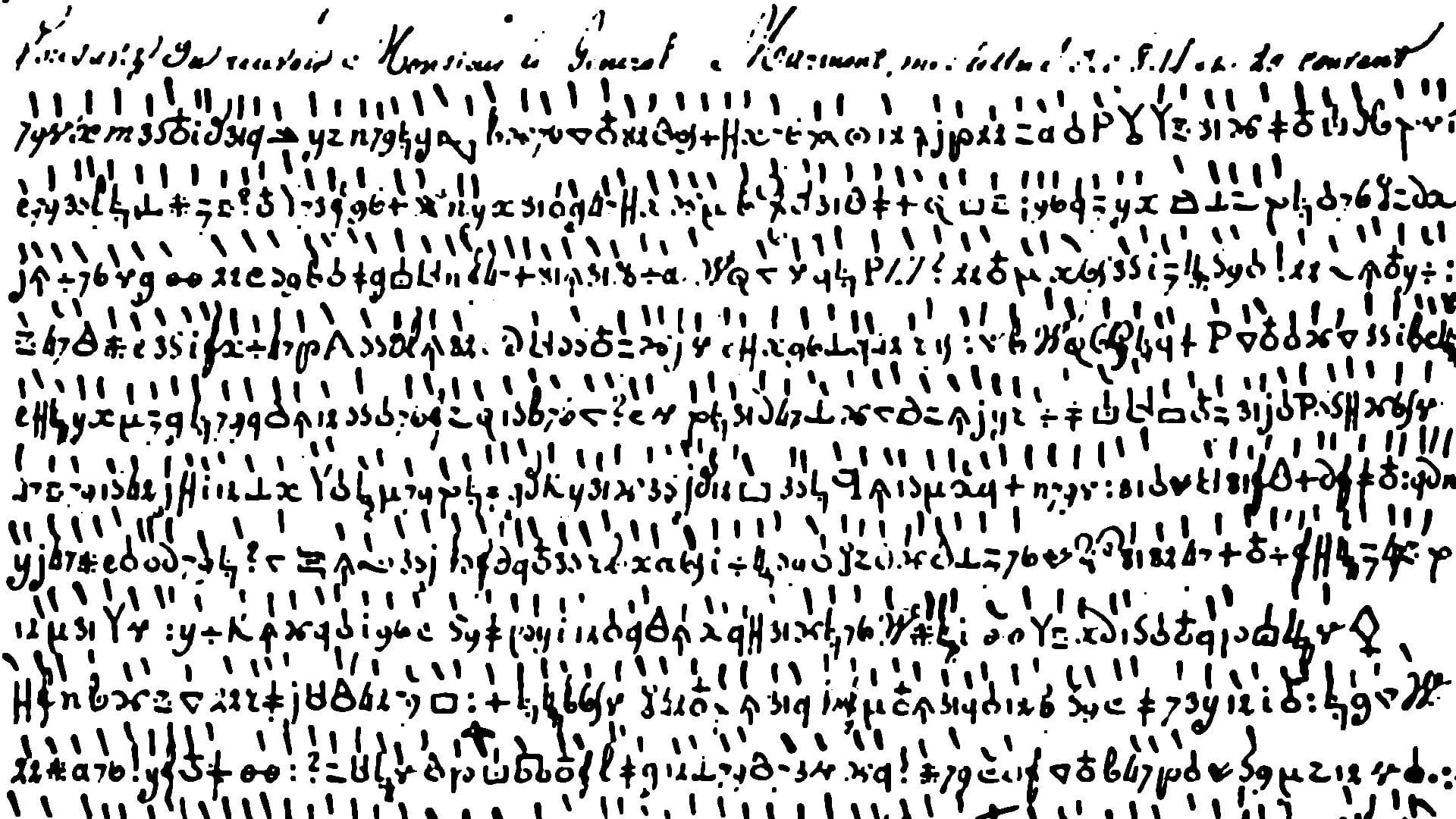
History books are full of secrets, but sometimes the most tantalizing mysteries are locked away in forgotten codes. Recently, a team of engineers and an advanced artificial intelligence model pulled off a feat that bridges the chasm between 19th-century military secrets and cutting-edge machine learning. They didn’t just crack a code; they unearthed a lost message from the Napoleonic era that had remained unsolved for over two centuries.
The challenge was monumental. The message itself was a cipher hidden among Cryptiana’s Unsolved Historical Ciphers. It was a document thought lost to time, waiting for a mind sharp enough to unlock its meaning. Into this challenge stepped Carter Church, an engineer at cybersecurity company SentinelOne, who leveraged OpenAI’s powerful GPT-6 Astra model to tackle the enigma.
What made this endeavor truly remarkable was not just the successful codebreaking, but the astonishing speed and methodology. Church demonstrated how Astra was able to complete a complex, multi-modal workflow in roughly six hours. The process began with an incredibly simple input: a single image and a clear goal, and the AI managed to perform the entire decryption. To achieve this, Astra utilized its own sophisticated simulated-annealing solver to crack the 19th-century military secret.
The message they uncovered wasn’t a cryptic note left by Napoleon himself. Instead, it was a troop briefing intended for French General Auguste de Marmont, relaying orders directly from Napoleon. This secret communication, which likely held critical military information, had remained unread since 1809.
The significance of the decoded text went beyond mere historical discovery. The newly revealed details provided crucial missing context for Napoleon’s 1865 memoir. The text completed a sentence that had broken off mid-thought in the original document, revealing a critical phrase that supplied the full context regarding the preparation for the Austrian invasion.
Carter Church’s method highlighted the power of modern AI in handling historical data. By transforming an old, complex cipher into a solvable problem, the AI demonstrated a novel way to leverage large language models for deep historical analysis and context completion. It proved that advanced AI is not just about generating text, but about solving complex, multi-layered problems that have stumped human experts for decades.
The successful result has even been validated by the historical community. The solution package, which includes a script allowing anyone to mechanically test the outcome against the original ciphertext, has been officially marked as solved by Satoshi Tomokiyo, maintaining the integrity of the finding. This achievement stands as a fascinating testament to how artificial intelligence can act as a powerful tool for historical archaeology and complex decryption.
Buy on Amazon
Credit
