Cheaper Chinese memory capacity drives PC price decline
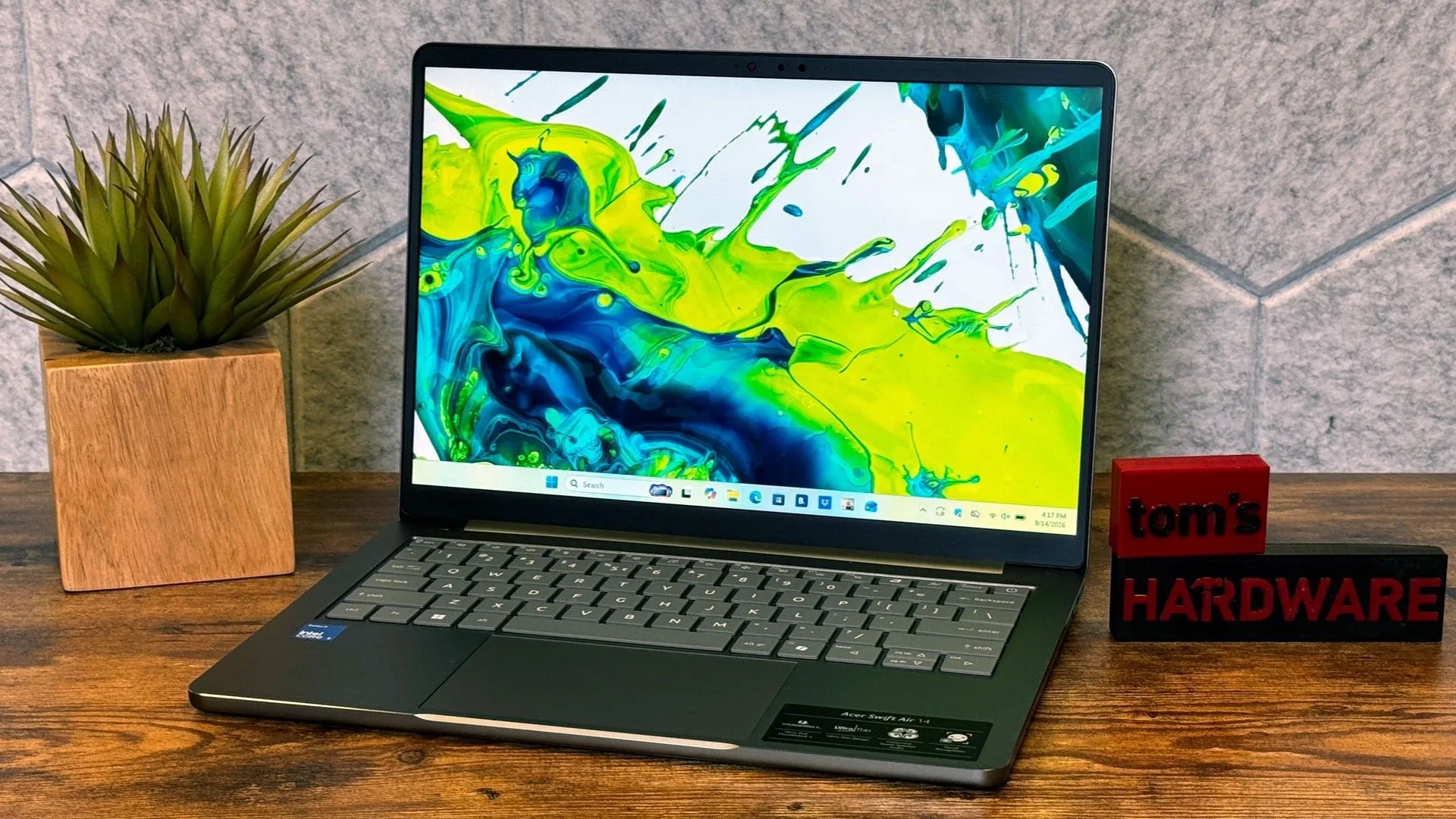
The relentless pursuit of artificial intelligence has fueled an unprecedented demand for computing power, inadvertently triggering a global scramble for essential PC components. At the helm of Acer, CEO Jason Chen is now offering a fascinating prognosis on when this supply chain crunch might finally ease, suggesting that the era of extreme component scarcity is nearing its end.
Chen believes that while some specialized, high-end parts remain tightly constrained—such as high-performance DDR5 memory like LPDDR5X-9600 and niche CPUs like Nvidia’s N1 and N1X chips—the broader market is showing signs of stabilization. He forecasts that component prices will begin to reverse in the latter half of next year.
This prediction comes amidst a complex timeline. While short-term pricing pressures will continue, Chen anticipates that overall PC prices will experience a temporary increase of between 5% and 20% towards the end of this year. He further suggests that this inflationary period will plateau by the first half of 2027, before finally seeing a decline, driven by the sustained pressure of AI-related hikes.
The root of this volatility lies in the massive demand spike caused by the AI boom. This demand initially hit components like GPUs in late 2022, quickly spreading to memory chips by late 2025, leading to some of the most dramatic price surges in the tech sector.
The memory shortage, in particular, has been a stark example of this dynamic. Despite the dramatic climb in DRAM and NAND prices, consumer resistance has begun to cool the heat. Some memory manufacturers are cautiously optimistic, suggesting that the severe shortages will not last until 2030, as the construction of new fabrication plants expected in the 2030s will eventually alleviate long-term supply concerns.
However, Chen points out that the major suppliers naturally want to maintain high margins, meaning they are deliberately delaying price reductions. This corporate strategy has kept prices stubbornly elevated for longer than consumers might wish.
Beyond memory, the ripple effect of the shortage is visible across the board. Chen noted that other essential components, including SSDs, printed circuit boards, and the fiberglass cloth used in motherboards, are also experiencing their own price increases. It seems the entire ecosystem is grappling with the cost of scaling up to meet extraordinary demand.
Ultimately, the message from Acer leadership is one of cautious optimism. While the journey toward normalization is complex, the current trajectory suggests that computer manufacturers might finally be in a position to lower prices after years of component scarcity and soaring costs.
Buy on Amazon
Credit
