China allegedly intercepted F-35 parts after email warning
In the high-stakes world of advanced military technology, the most critical secrets often aren’t found in the schematics of a fighter jet, but in the logistics of its delivery. Recently, a deeply embarrassing case of bureaucratic miscommunication involving a shipment of sensitive components highlighted how easily geopolitical tensions can intersect with the mundane world of freight forwarding.
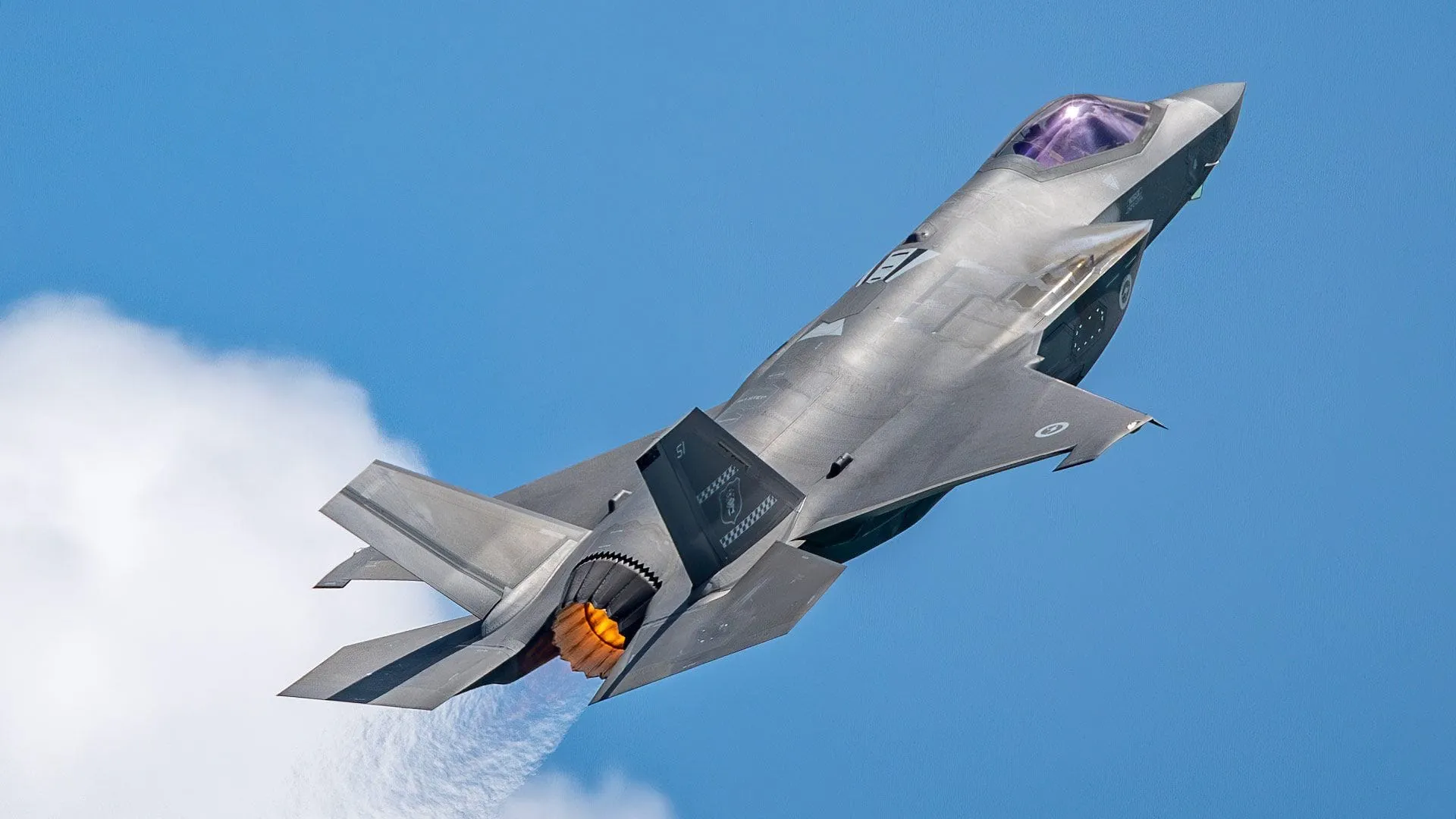
The incident involves parts for the F-35 stealth fighter, specifically the cockpit canopy and weapons-bay door, which were coated with radar-absorbing material designed to enhance the aircraft’s stealth capabilities. These components, destined for inspection or repair in the United States, were being shipped from Australia.
What started as a routine transit became an international incident when the shipment was inadvertently rerouted through Hong Kong, a transit route that is highly sensitive under international trade regulations. This detour was not planned, but rather the result of a simple, yet catastrophic, administrative oversight.
Insiders revealed that the mix-up stemmed from a missed security email. An email clearly outlining the strict requirements of the International Traffic in Arms Regulations (ITAR), which dictate how these military items must be handled, failed to reach the party responsible for arranging the shipment.
When the freight agent, operating under pressure to hasten delivery, realized the shipment was delayed, they opted for the faster route through Hong Kong. The critical error, according to sources, was that the email notifying the courier about the ITAR requirements did not make it to the correct recipient, leading the agent to make a decision that resulted in the diversion.
As a result of this administrative slip-up, these advanced allied warplane parts found their way into China’s hands. While the geopolitical implications are massive—raising serious questions about military technology acquisition and potential reverse engineering—the immediate focus shifted to the baffling logistics failure.
Despite the extreme sensitivity of the components, the Chinese government has offered no subsequent reports admitting possession or intent to release the parts. Beijing maintains it is unaware of the missing cargo, leaving the true extent of the situation shrouded in diplomatic silence.
The incident brought the logistical blunder into sharp focus, shifting the blame from a deliberate act of espionage to a stark example of how easily operational errors can create massive security risks. While the Pentagon sought to downplay the loss by characterizing the missing components as merely “unserviceable,” observers noted that the error was fundamentally amateurish, underscoring the delicate balance between high-tech defense and everyday commerce.
Buy on Amazon
Credit
