China buys restricted Nvidia AI chips evading US rules
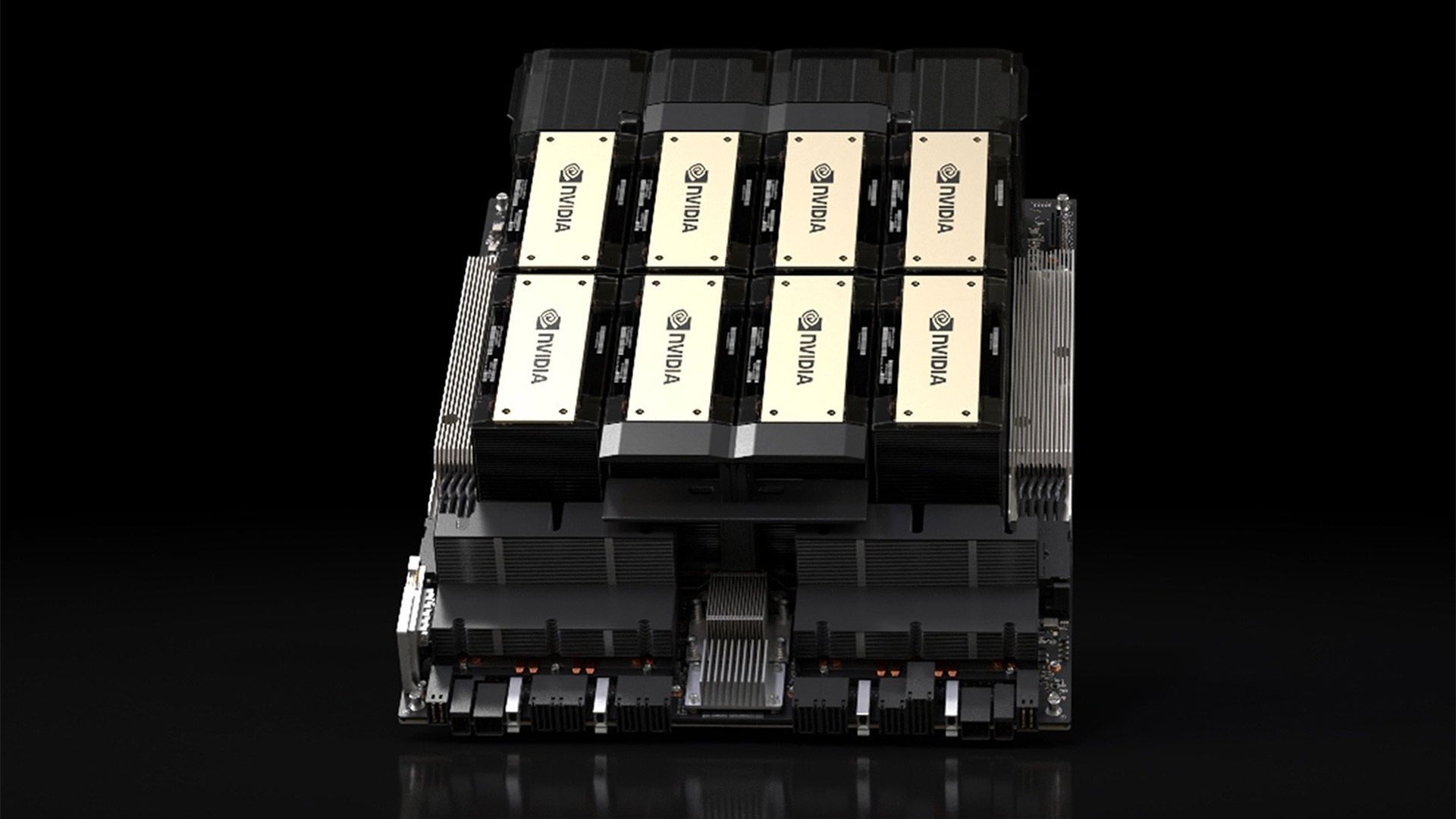
In the high-stakes arena of global technology, a curious paradox is unfolding: while the United States imposes strict export controls on advanced AI chips to China, those cutting-edge processors seem to continue arriving on Eastern shores. The question isn’t whether the chips are arriving, but how they are making the journey, and who is ultimately benefiting from this complex smuggling operation.
A monitoring organization, funded primarily by the U.S. government, recently published a deep dive into this phenomenon, shedding light on the intricate pathways American AI accelerators take to reach China. The findings reveal that the flow of technology is far more sophisticated than simple border crossings, involving a carefully constructed network of shell companies, research institutions, and complex logistics.
The report identifies three major avenues through which these powerful chips—like the coveted Nvidia GPUs—are smuggled: direct acquisitions by academic and research institutions, drop-shipping through Southeast Asian nations, and the use of a matryoshka-doll structure of shell companies.
To understand the logistics, one must first appreciate the hardware journey. Chips are not simply shipped; they undergo multiple rigorous testing rounds, often traversing several international stops before landing in a customer’s data center. While U.S. policy restricts the sale of high-end chips like the H100 and A100 to China, the system still allows for exceptions and gray market maneuvering.
One route involves academic subterfuge. Researchers and universities, often operating under vague “multi-vendor contracts,” purchase GPUs directly from manufacturers and route them through small regional integrators. These institutions, some with ties to national defense or intelligence sectors, have reportedly facilitated the movement of millions of dollars worth of silicon into China. The sheer scale of this operation highlights how institutional pathways can bypass traditional scrutiny.
Another path leverages the vast network of Southeast Asia. Through countries like Vietnam, India, and Malaysia, chips are drop-shipped, often utilizing the region’s own chip testing facilities as an excuse for transit. This method accounted for massive transactions, with millions of dollars in Nvidia GPUs moving through these corridors in a consistent pattern between 2022 and 2025.
Perhaps the most opaque method involves the use of shell companies. The smuggling operation is often channeled through entities like Megaspeed International, a firm with multiple corporate holdings across Singapore, Indonesia, and Malaysia. This structure allowed for the movement of an astonishing 4.6 billion dollars worth of intelligent silicon into China, yet the ownership of these entities remains deliberately murky, shifting ownership between various firms to obscure the ultimate destination and beneficiaries.
The complexity deepens when tracing the ownership of these shell companies, which have reportedly traded locked-down chips and even Blackwell chips. The rapid changes in ownership among the various related firms raise serious questions about who truly controls the flow of technology, especially when individuals with ties to government or defense sectors are involved in these transitions.
To mitigate this risk, experts call for a much stronger defensive strategy. Recommendations focus on establishing a robust end-user verification system that goes beyond standard screening. This system must incorporate on-the-ground due diligence, corporate ownership tracing, and post-shipment verification to ensure that semiconductor manufacturers, distributors, and equipment makers are accountable for where their wares ultimately land.
Ultimately, navigating the geopolitical landscape of AI requires a level of scrutiny that matches the technology itself. By integrating geopolitical risk analysis into business frameworks, the industry can ensure that the pursuit of technological advancement does not inadvertently facilitate illicit flows.
Buy on Amazon
Credit