China stockpiles 343 DUV tools for advanced chipmaking
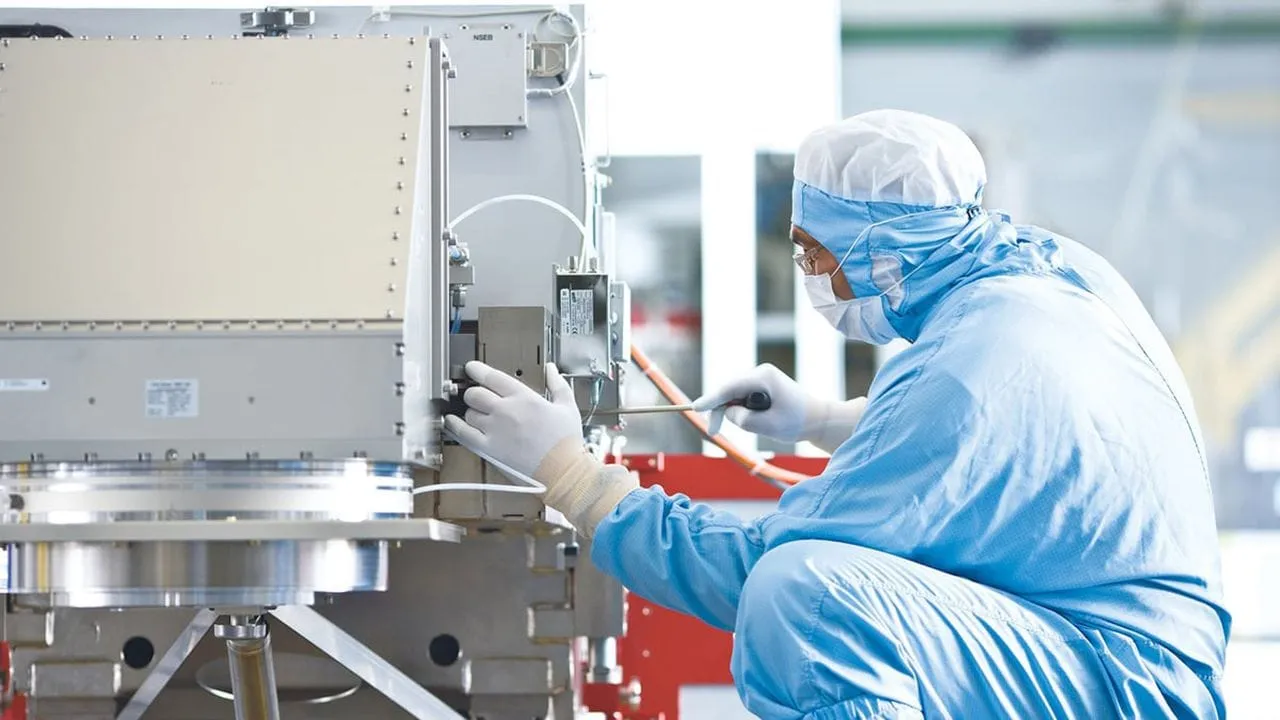
The global race for semiconductor dominance is fought not just with intellectual property, but with physical equipment. At the heart of this high-stakes technological competition lies the lithography machinery—the sophisticated tools required to etch the intricate patterns that define modern processors. And in this complex landscape, the dynamics of export controls and technological capability have created a fascinating, high-tension narrative involving the world’s leading chipmakers.
Reports suggest that Chinese chipmakers have amassed a substantial fleet of immersion DUV lithography tools, accumulated between 2012 and early 2026. These machines, though perhaps not the absolute cutting edge, possess the potential to manufacture chips utilizing highly advanced 7nm-class process technologies. This accumulation gives Chinese fabs considerable leverage, particularly given their current inability to procure the most advanced EUV systems from ASML.
The acquisition of this equipment has been particularly aggressive in recent years, fueled partly by mounting restrictions imposed by the United States on its semiconductor industry. For years, logic and memory makers in China imported 343 immersion DUV scanners from ASML. While the total number seems plausible, experts note that the existing export controls have inadvertently created a critical opportunity, leaving a potential gap in the supply chain.
The crux of the matter lies in the flexibility of the technology itself. Lithography equipment originally designed for less advanced process nodes can potentially be repurposed for more sophisticated fabrication technologies, such as the 7nm-class nodes adopted by the industry starting in 2018-2019. This reassignment, while costly, offers a strategic pathway, especially when other options are limited.
This scenario highlights a major point of contention: the existing export policies leave a loophole. Experts propose that a more comprehensive approach is needed, suggesting that restricting the export of all immersion DUV systems to China, alongside regulating replacement parts and maintenance services for advanced fabs, would be a logical step. This proposal echoes broader governmental discussions aimed at securing the supply chain.
Specific models are central to this discussion. Certain scanners, like ASML‘s Twinscan NXT:1980i, feature the 38nm resolution and 2.5nm matched-machine overlay capabilities essential for multipatterning required at the 7nm node. Furthermore, Chinese fabs have reportedly acquired systems including the NXT:2050i and NXT:2000i models.
The impact of these movements is measurable. Estimates suggest that during 2024 and 2025, Chinese chipmakers spent over $13 billion on these systems, reportedly purchasing approximately 90 NXT:1980i units in 2024 and another 89 in 2025. This activity suggests that Chinese entities secured the lion’s share of ASML‘s immersion DUV tools output during those years, even amidst export restrictions that were introduced in 2024.
ASML’s own sales data reflects this intense demand, with China representing a massive portion of system sales in 2024 and 2025. While ASML has warned about shifts in market distribution, the numbers show a dynamic relationship between geopolitical pressures and the flow of critical semiconductor technology.
Buy on Amazon
Credit
