China stole classified F-35 parts diverted through Hong Kong
The Ghost in the Supply Chain: How Stealth Fighter Parts Vanished into Chinese Hands
The world of advanced aerospace technology often operates in the shadows, where the most sensitive secrets are locked within materials more valuable than the machines themselves. Recently, a high-stakes mystery unfolded when components from one of the free world’s most advanced fighter jets were seemingly rerouted from the racetrack of international shipping and ended up in the hands of China.
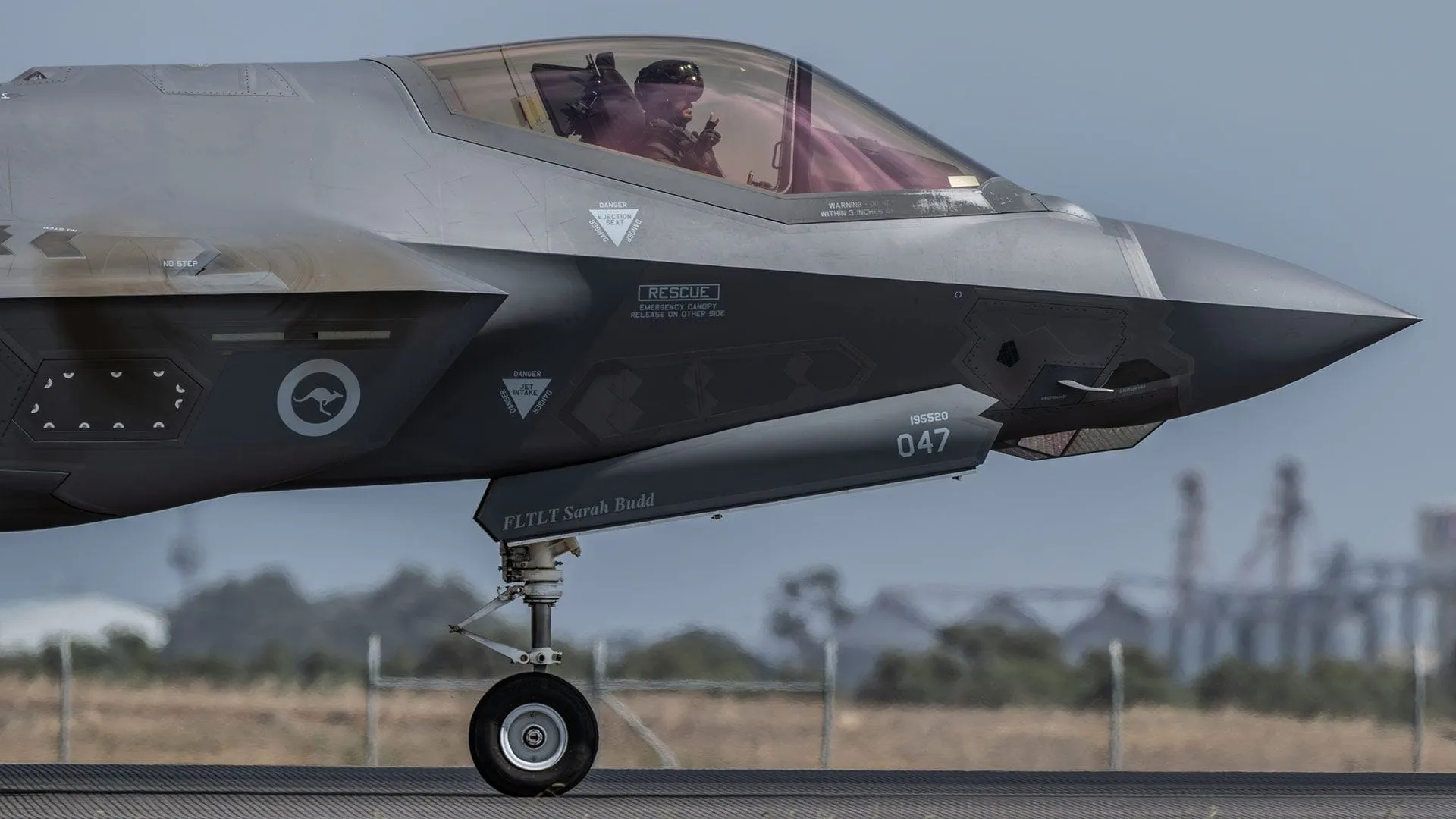
The missing items were components from an Australian F-35 stealth fighter, including the cockpit canopy and the weapons-bay door. These high-tech pieces were sent to the United States for inspection, potential repair, or disposal. What should have been a straightforward logistical movement quickly turned into an international incident, raising serious questions about supply chain security and the intense geopolitical rivalry over military secrets.
The trail of the parts became tangled in an inexplicable journey. The shipment did not follow the expected route; it paused in South Korea before mysteriously being diverted through Hong Kong. It was there that Chinese authorities took possession of the consignment, leaving a trail of uncertainty for the nations involved.
These are not just any spare parts; they are crucial to the stealth capabilities of the F-35. The components are coated with specialized radar-absorbing material, a secret recipe that enhances the aircraft’s stealth profile. This coating is arguably more sensitive than the physical parts themselves, making it a prime target for state-sponsored espionage.
The stakes couldn’t be higher. For years, concerns have mounted over Chinese espionage efforts targeting the F-35 program, seeking to acquire knowledge about one of the world’s most sophisticated stealth warplanes. Control over this technology is tightly held by the U.S.’s closest allies, underscoring why any unauthorized movement of these components is viewed with extreme suspicion.
When components designed for critical defense systems vanish, the focus immediately shifts to accountability. Australia is now scrutinizing the entire chain of events, attempting to determine whether the loss occurred due to a vulnerability in the shipping process or if external interference played a role in the rerouting.
Meanwhile, the U.S. defense establishment, including the Pentagon and Lockheed Martin, is actively working to retrieve the unserviceable components. The investigation promises a thorough review to prevent future high-tech spills and ensure that military secrets remain secure.
While the investigation is underway, the wider context remains fraught with tension. As geopolitical dynamics shift, the security of advanced technology remains paramount. The incident serves as a stark reminder that even the most meticulously planned supply lines are vulnerable to disruption, and the fight for technological supremacy continues on multiple fronts.
Buy on Amazon
Credit
