China’s vessels loiter near Pacific undersea cables report finds
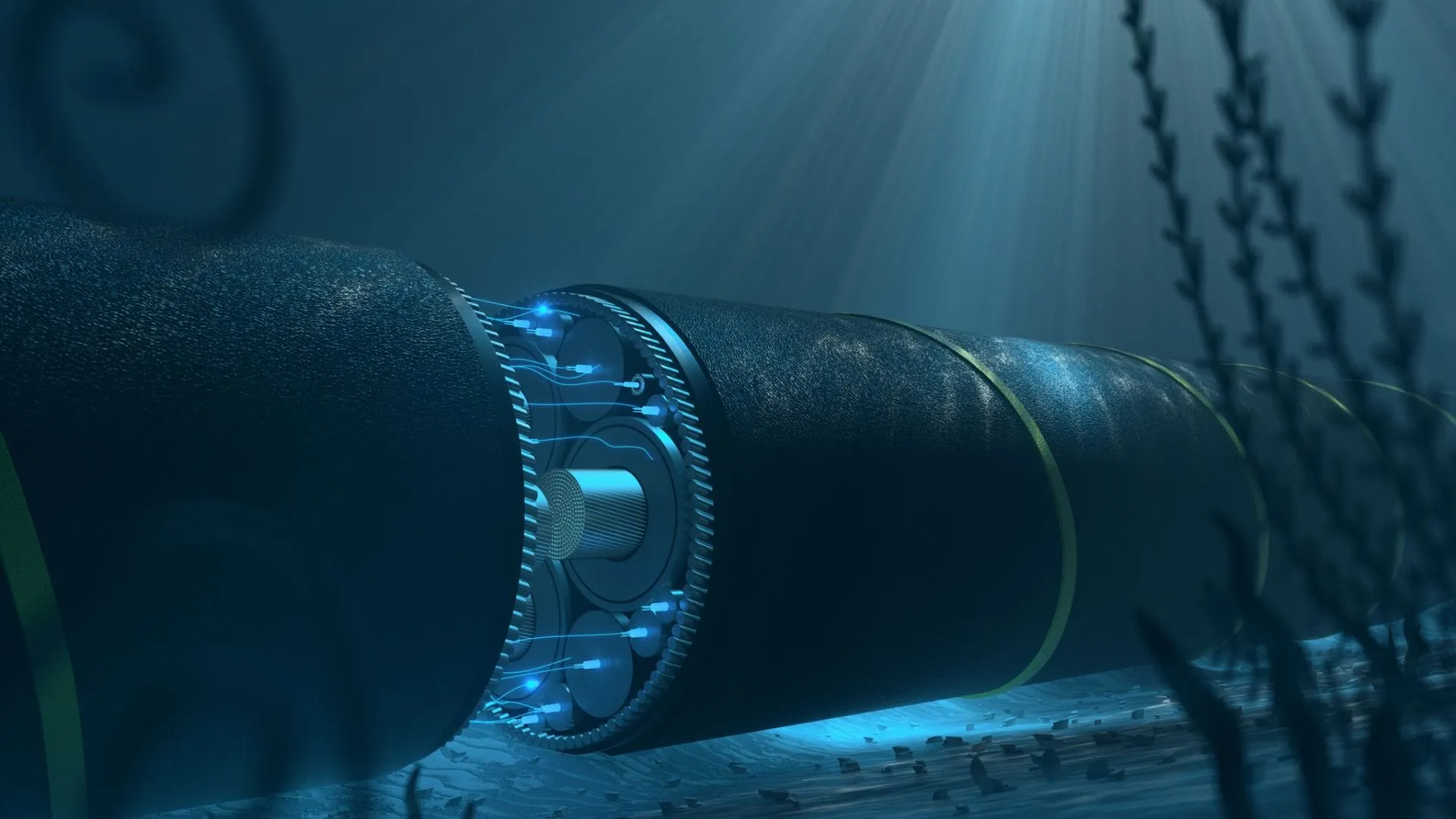
China’s quiet, persistent presence beneath the waves is shifting from an academic curiosity to a critical element of geopolitical strategy. New analysis indicates that China spends a disproportionate amount of time loitering near vital undersea cables in the Pacific Ocean compared to other nations, raising serious questions about the future of global data dominance and maritime security.
A comprehensive study comparing the behavior of research vessels from 47 different nations, including the United States and Russia, revealed a striking pattern. The results, compiled by the Center for Strategic and International Studies and analyzed by the Indo-Pacific Defense Forum, showed that Chinese vessels spent a statistically significant larger share of their time near these critical underwater communication lines.
This persistent, disproportionate activity points toward potential strategic intent. Experts suggest that China may be leveraging its extensive research fleet for underwater data collection aimed at analyzing terrain for potential sabotage or planning submarine operations.
These operations are often conducted under the guise of civilian activity. Research vessels provide a unique cover, allowing states to engage in what is termed gray zone research activities, offering a degree of plausible deniability for their data gathering.
One example of this activity involves vessels from the Xiang Yang Hong research fleet, which, between July and October 2024, spent time near cables connecting major global shipping lanes, including routes linking the U.S. with Australia, Indonesia, Singapore, and Guam.
The movement pattern observed by these ships is not random; it follows a methodical “lawnmower” pattern, which is characteristic of surveying and creating accurate seafloor maps. While these ships are not military assets, the high-fidelity data they collect about the submerged infrastructure could be invaluable for China’s future strategic planning and conflict scenarios.
This pattern of maritime activity is particularly notable given China’s escalating territorial claims in the South China Sea and its assertions over disputed territories like Taiwan. These actions continue in an environment of heightened conflict with neighboring states, making the control and surveillance of undersea infrastructure a strategic imperative.
The pursuit of control over these deep-sea links is not unique to China. It reflects a broader trend among authoritarian states seeking to dominate critical undersea infrastructure. Reports from the past few years have documented similar patterns globally. For instance, recent findings noted over 500 incidents of Russian vessels monitoring undersea cables over the last five years, alongside threats made by Iran concerning attacks in key maritime chokepoints.
The data collected by these ostensibly civilian vessels is thus more than just scientific information; it is a potent tool in the ongoing geopolitical competition for control over global communications and maritime routes. The underwater landscape is rapidly becoming a new frontier in international conflict.
Buy on Amazon
Credit
