Chinese AI buys 1 million Nvidia GPUs in one year
The Great GPU Gambit: How China is Navigating the AI Chip Crunch
The world of artificial intelligence is running on specialized hardware, and right now, the race for compute power is less about innovation and more about acquisition. Chinese tech giants are engaging in a massive buying spree, snatching over a million Nvidia gaming and workstation GPUs to fill critical gaps in their surging demand for AI computing power. This isn’t just a shopping trip; it’s a fascinating geopolitical maneuver that underscores a massive, ongoing reliance on U.S. AI hardware, even as a homegrown market attempts to bloom.
While China is doubling down on its national strategy for developing domestic AI chips, the reality on the ground is stark. The demand from major tech firms far exceeds domestic manufacturing capacity. If the goal is to build a self-sufficient AI infrastructure, the current supply chain presents a significant bottleneck, leading to a scramble for the most powerful components available globally.
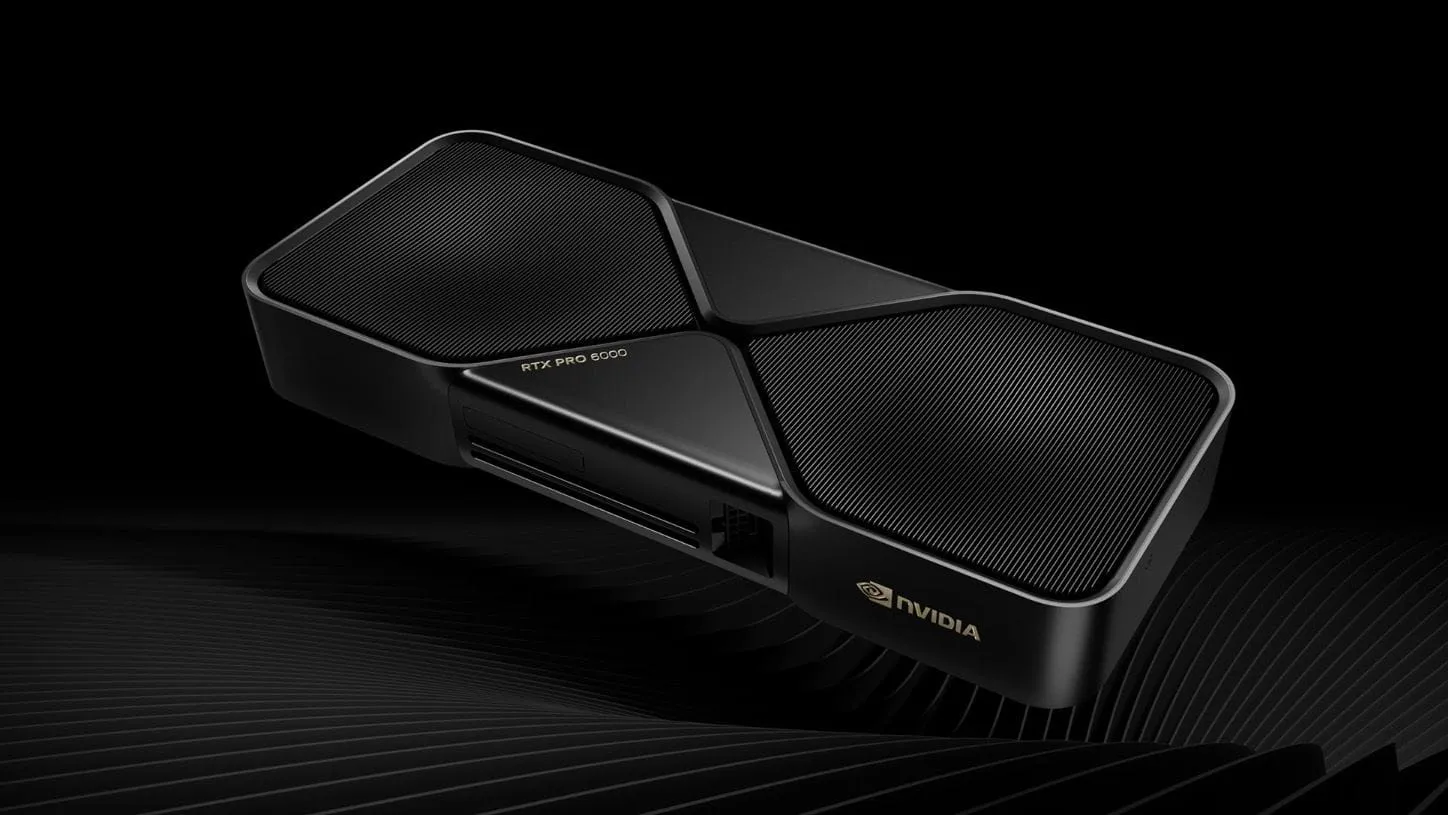
To bridge this enormous gap, Chinese entities are turning to Nvidia’s processors, which are compliant with U.S. export controls. These chips, including models like the RTX Pro 6000D, RTX Pro 5000, and the sought-after RTX 5090, are being repurposed for AI workloads, specifically for tasks like prefilling data—simpler but essential AI operations.
This move highlights a complex dynamic: while China is developing its own flagship offerings, such as Huawei’s Ascend 910C, the ecosystem built around Nvidia’s CUDA software remains dominant. This software advantage is a key driver, as the demand for Nvidia GPUs is fueled by the superior tools available, making them the de facto standard for complex AI operations.
The pressure on the enthusiast market is equally dramatic. As the spotlight turns to high-end gaming cards, the prices have skyrocketed. The MSRP for the RTX 5090 is $1,999, but in the secondary market, these cards are trading for several times that amount, with some resellers commanding prices upwards of $7,199. This price inflation creates significant friction for gamers looking to upgrade.
Adding further complexity to the scene is news from Nvidia itself. The company has reportedly halted production of the highly anticipated RTX 5090, opting instead to focus resources on AI data center and professional GPUs, leading to a shift toward the RTX 5080 as the new gaming flagship. This pivot signals a challenging, if not receding, environment for the enthusiast gaming GPU market.
Ultimately, the massive GPU transactions reveal more than just commerce. They expose the deep interdependence between global AI development, the power of proprietary software ecosystems, and the ongoing tension between nations vying for technological supremacy in the age of artificial intelligence.
Buy on Amazon
Credit
