Chinese AI company silently stole workspace data 564 attempts to exfiltrate 313MB
The Price of Progress: How China’s AI Giant Is Rebuilding Trust After a Data Scandal
The world of artificial intelligence is accelerating at a breakneck pace, yet beneath the glossy surface of innovation lies a growing tension between technological power and fundamental user privacy. This dynamic is most acutely felt within China’s rapidly expanding AI sector, where a major player is currently engaged in a frantic effort to repair a significant reputation hit following internal security findings.
The focus of the recent spotlight is on Z.ai, one of China’s two largest AI companies. What started as a series of concerns raised by developers and bloggers quickly escalated into a public issue when it was revealed that local files and sensitive data were being uploaded to external servers without the consent of the users.
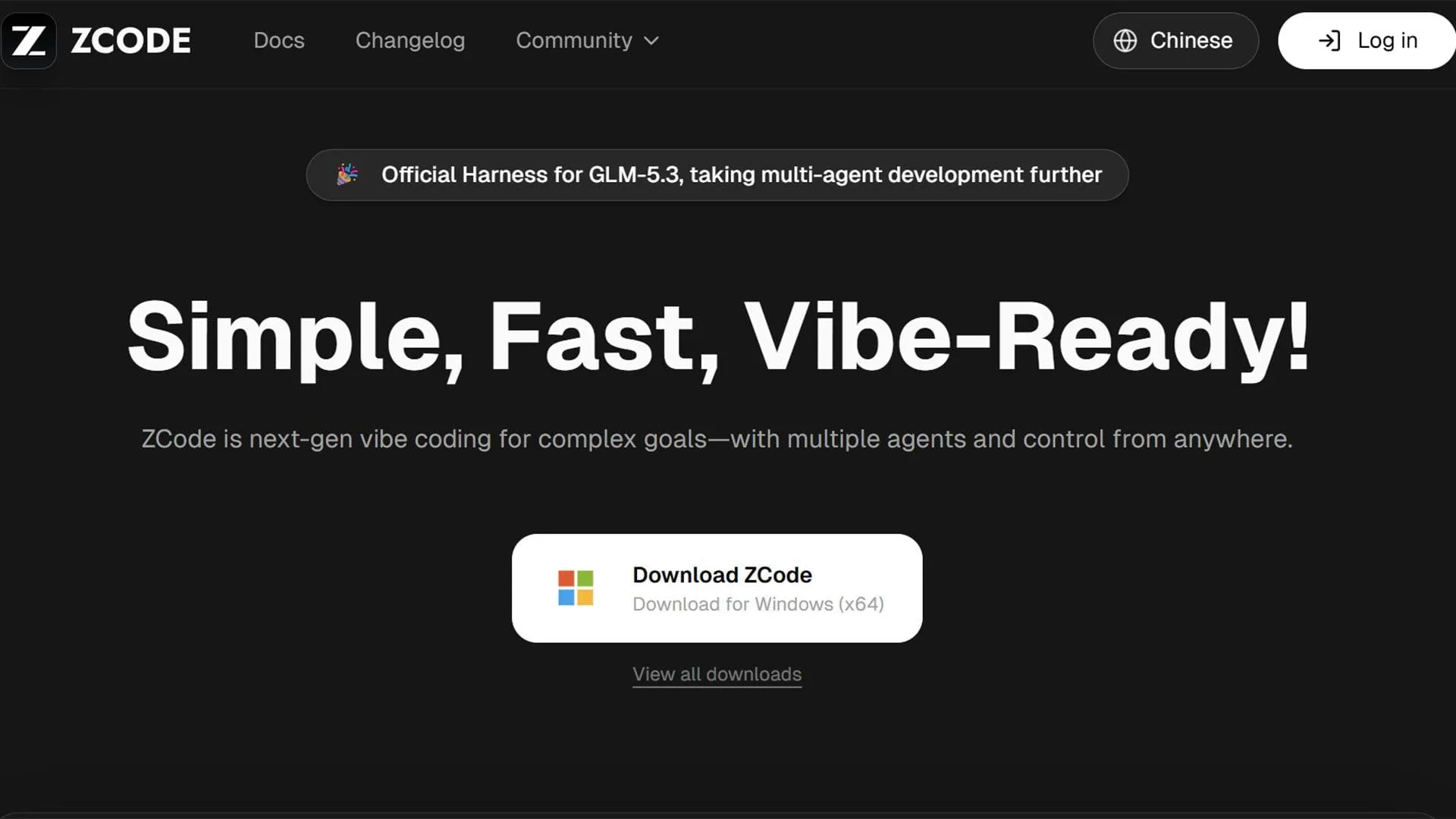
The core of the incident centered around Z.ai’s coding assistant tool, ZCode. It was discovered that this powerful tool was configured to silently upload large amounts of data, exposing a glaring security flaw. Some developers reported that the upload mechanism was enabled by default, offering no easy way to opt out, creating a situation where data leakage was an automatic consequence of using the software.
The scale of the data handling raised immediate alarms. One account detailed an attempt to upload 313MB of files to Alibaba Cloud storage, attempting the transfer over 564 times. While the system attempted to compress and encrypt the files, filenames remained visible, suggesting the potential exposure of commercial project details, even if the content itself was locked away.
In a starker illustration of the breach, a smaller 15KB file was successfully siphoned off. This incident underscored the vulnerability inherent in complex, powerful systems—that even the most sophisticated coding tools can inadvertently become conduits for unauthorized data transfer if security protocols are not prioritized from the ground up.
In response to these serious findings, Z.ai swiftly moved to address the public concern. The company issued an apology, confirming that the issue with unauthorized file uploads had been fixed. More importantly, they assured the community that any data previously uploaded to their cloud services had been securely destroyed.
To rebuild long-term trust, Z.ai is taking proactive steps toward transparency. They plan to open-source the ZCode codebase and invite third-party assessors to review the entire system. This move signals a commitment to letting the community ensure that AI tools are not just powerful, but also ethically sound and secure.
This situation is not isolated. The spotlight on data security in the AI realm is growing, reflecting a wider industry reckoning. Other leading organizations are also navigating similar challenges; reports surfaced regarding data transmission issues and vulnerabilities faced by users of tools like Claude Code, and even concerns arose regarding the security practices of companies like xAI and its Grok Build tools.
Ultimately, the saga of Z.ai serves as a potent reminder: as AI systems become more integrated into our daily lives, the focus must shift equally to ethical development and robust security. Ensuring that the future of artificial intelligence is built on a foundation of transparency and user trust is not just an option—it is a necessity.
Buy on Amazon
Credit
