Choose the Best RTS Unit in the Quarterfinals
Some battles are fought on the digital battlefield, but the most epic conflicts are the ones decided by consensus. We are diving deep into a monumental debate: determining which Real-Time Strategy unit deserves the title of the greatest of all time, based on a blend of democracy and sheer, undeniable force.
The war has begun. Sixteen units entered the fray, and eight survived the initial clashes. The competition was fierce, with legendary units like the unstable Psyker from Dawn of War and the noble Rohirrim from Battle for Middle-earth trading blows for the top spot. But in the end, the vote favored those long-haired horse boys, demonstrating that sometimes, sheer aesthetic and battlefield prowess win the day.
The results were delivered, but the true fight is just getting started. Now, the spotlight shifts to the quarterfinals, where the stakes are impossibly high, and the decisions will require more than just opinion—they will demand strategy and nerve.
The choices facing the contenders are agonizing. Will the collective love for the funny little green guys secure victory against the mighty Mammoth Tank? Can the Mirage Tank’s deceptive ability to mimic nature save it from the might of Darth Vader’s Star Destroyer? These are not simple picks; they are moral and tactical dilemmas.
We are weighing giants against tricksters. Consider the Peon of Warcraft, the vital cog in the Horde’s war machine. While mistreated by orcish society, they are the backbone of the conflict, fighting not out of cowardice but out of necessity. They deserve a rest after bearing the weight of so much history.
Opposing them is the Mammoth Tank, a monument of unfathomable Soviet strength wrought in steel and pig iron. Painfully slow and incredibly costly, this beast represents raw, unstoppable momentum. While some argue for the Peon’s hard-won endurance, others contend that a single Mammoth Tank could probably win an entire campaign on its own, embodying sheer, blunt power.
The clash between the Rohirrim and the Pride of Hiigara highlights a fascinating divide between speed and scale. The Rohirrim were masters of cavalry and swift, devastating charges, proving that momentum can trample armies. Conversely, the Pride of Hiigara, with its mothership design, represents an impossibly huge, mobile factory capable of spawning capital ships, making it a testament to sheer, overwhelming scale.
On the battlefield, stealth often trumps brute force. The Mirage Tank exemplifies this perfectly. Unlike tanks that boast flashy external armor, the Mirage is a sneaky assassin, capable of cutting through enemy lines with cunning and spectral weaponry. It proves that subtlety can be far more deadly than bulk.
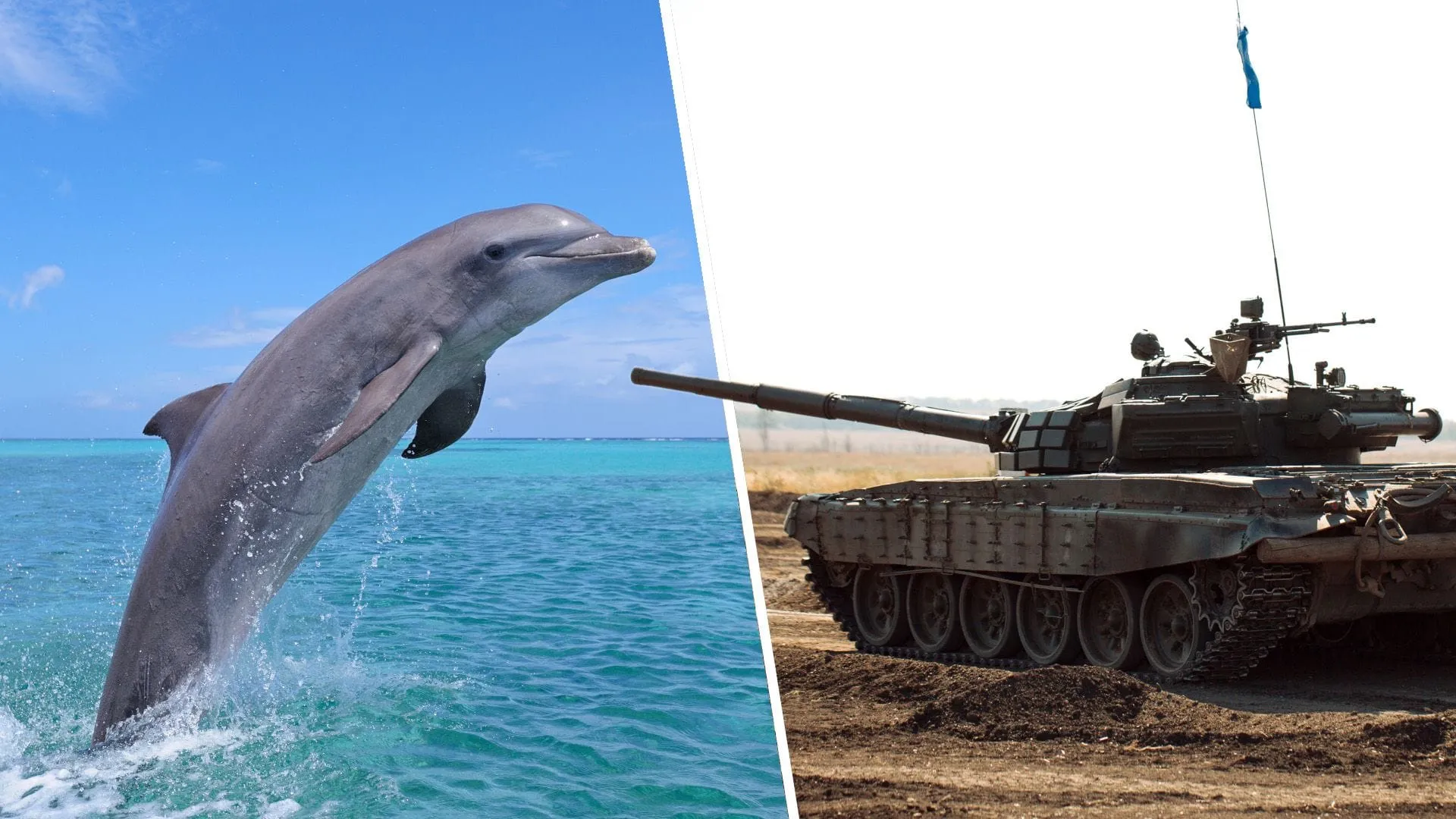
Meanwhile, the naval skirmish between the Dolphin and the Priest pits speed and organized religion against each other. The sleek, squeaky Dolphin operates as a killer scout, deploying sonic blasts that make it a god of war on the water. The Priest, however, brings the weight of organized might, proving that influence and doctrine can be just as devastating as speed. The ultimate victory, as always, depends entirely on the voters’ collective appreciation for style, grudges, and the sheer ‘vibes’ of the impending conflict. The war continues.
Buy on Amazon
Credit
