CK3 Pope DLC bans blood boys for life extension I asked the devs
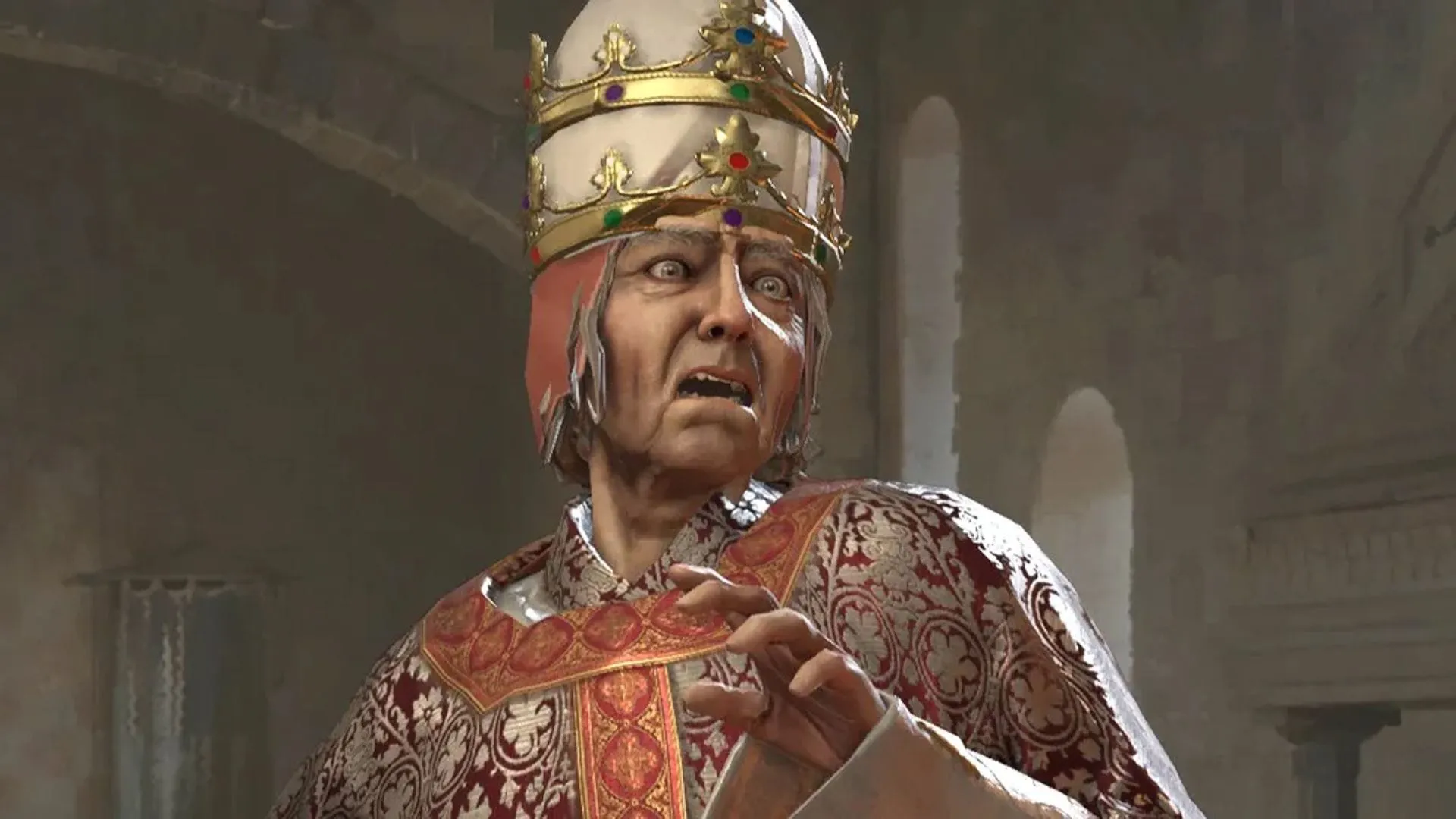
History is a strange, often blood-soaked tapestry, but sometimes the strangest tales are the ones that reveal the most about human nature. This idea is bubbling up in the gaming world, where the pursuit of power and the moral ambiguities of the past meet the sheer absurdity of human endeavors.
The impending release of the By God Alone expansion for Crusader Kings 3 promises to deliver this deep dive into history by granting players the unprecedented opportunity to embody the role of the pope. This isn’t just a change in gameplay; it’s an invitation to explore the very seat of temporal power and the complex, often grotesque, realities of medieval leadership.
But history, as we know it, is full of some truly bizarre footnotes. Take, for example, the legend surrounding Pope Innocent VIII and the pursuit of longevity. There are apocryphal tales that suggest that in an effort to restore the pope’s health, three boys were hired to bring him back to vitality through blood. While clearly nonsense, this story stands as a compelling, if fictional, reflection of a deeper, unsettling trend: the modern quest for anti-aging treatments often involves dubious and ethically fraught practices.
This historical absurdity cleverly mirrors a very modern anxiety. It touches upon the contemporary trend where the wealthy and powerful—from Silicon Valley executives to global elites—are often seen as operating outside conventional morality, pursuing their own longevity at the expense of others. The idea that those at the top are feeding on the masses has become a potent, if cynical, cultural touchstone.
Paradox games often embrace this kind of dark, surreal humor, allowing players to push the boundaries of realism. In the context of Crusader Kings 3, this leads to the game’s delightfully strange mechanics, including the ability to engage with the figure of the pope in ways that challenge conventional boundaries. While the expansion won’t feature historical blood transfusions, the game itself allows players to explore the darker corners of power, including the theoretical ability to turn a figure of authority into something far more visceral.
The world of medieval popes was, by nature, a whirlwind of political intrigue and personal depravity. Some of the figures who held the spiritual authority of Europe were less holy saints and more complex, morally ambiguous players. Consider the notorious Pope Julius II, famously dubbed The Battle Pope, who led armies into battle while reportedly navigating a complex personal life, including potential struggles with syphilis. Or look at Pope Sergius III, a legend accused of murdering his predecessors and allegedly presiding over a troubling “pornocracy.”
These historical figures, far from being simple saints, offer a fascinating, if unflattering, glimpse into the human drama unfolding behind the gilded robes. They remind us that even the highest positions of power are often shrouded in scandal, ambition, and outright wickedness. Whether it’s a tale of mythical blood boys or the real-life scandals of medieval popes, history continually proves that power is rarely clean, and the pursuit of it is often intertwined with chaos and dark desires.
Buy on Amazon
Credit