Classic Blizzard games return Is the old era coming back
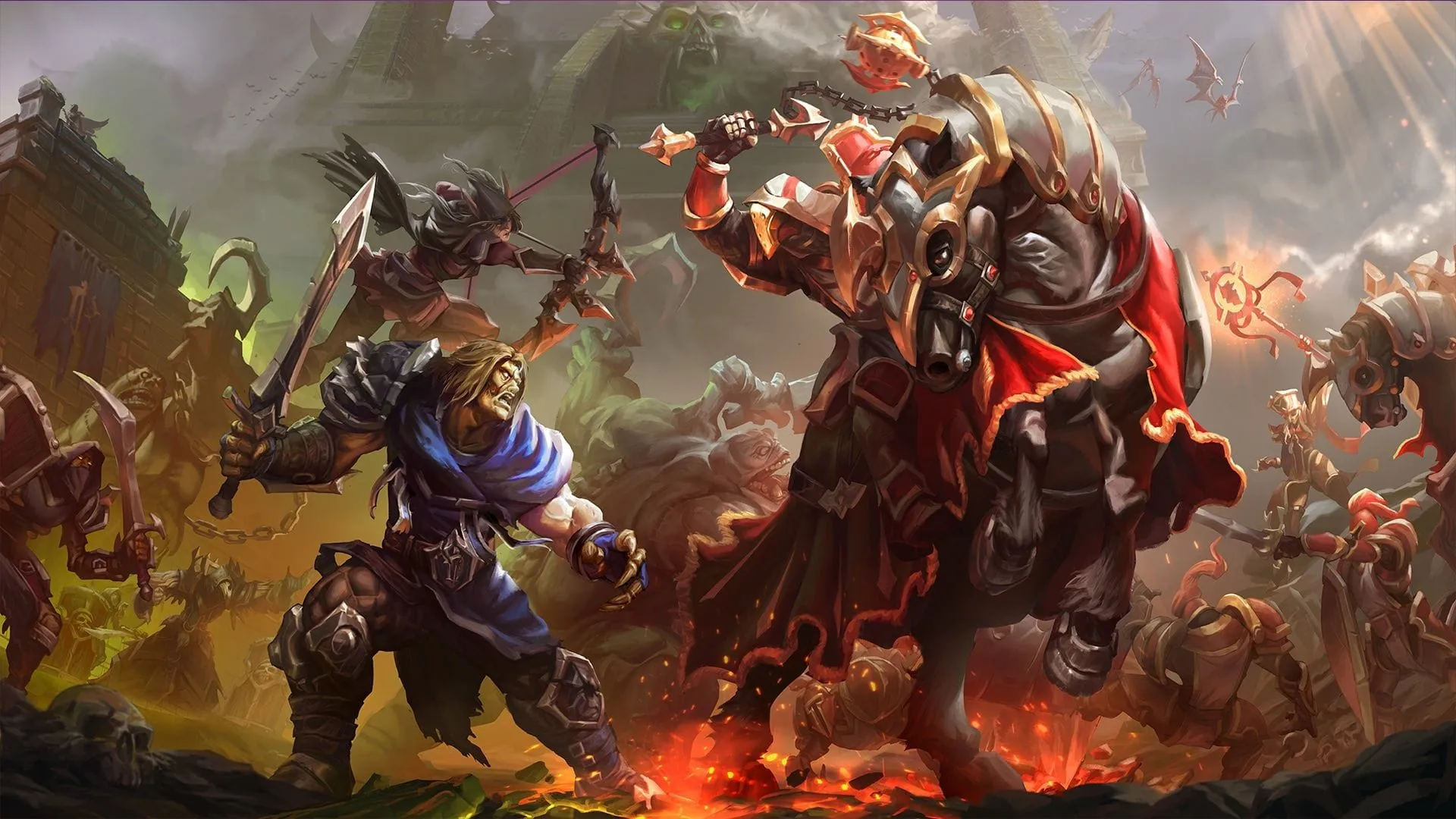
For a generation of gamers raised on the golden age of Blizzard, the specter of ‘old Blizzard haunts the modern landscape. As massive corporate entities evolve, there is a palpable sense that the company’s creative soul—the ambition and virtue that defined its heyday—has been subtly diluted in the pursuit of quarterly profits.
This tension is amplified by the recent events surrounding BlizzCon, where developers unveiled a slate of major announcements, including World of Warcraft: Forever, Diablo 5, and a new open-world shooter in the StarCraft universe. While these titles promise scale and spectacle, the true emotional weight often lies in the smaller, more personal decisions made behind the scenes.
One of the most telling moments of this dynamic occurred when Blizzard announced the return of Heroes of the Storm. For many, this felt like a nod to classic gaming ambition. Yet, the initial reveal presented a slight disconnect: the game, which had been relegated to ‘maintenance mode for years, was to receive a new playable character, Xal’atath, after a six-year wait. It raises the question of whether this sequencing was a mere quirk of presentation or a deliberate choice that prioritized the corporate narrative over fan expectation.
It’s easy to feel a sense of betrayal when a company seemingly abandons the community that built its mythos. There is an implicit pact many fans felt Blizzard should uphold: ‘We will never give up on a game before its community.’ When that promise seems negotiable, it naturally triggers skepticism about the motivations driving the development pipeline.
However, this feeling of doubt is tempered by the reality that not all legacy projects are being treated with the same disregard. The landscape of Blizzard’s legacy games shows a mixed picture. While the excitement around new content is high, other long-standing franchises have faced more concrete challenges.
Consider World of Warcraft: The initial launch of Warcraft 3: Reforged in 2020, which drew criticism regarding graphics and multiplayer features. Despite these issues, the company has since responded with updates, culminating in the release of a new full-length campaign, Forsaken Kingdom. While sticker shock and lingering complaints remain, most players acknowledge that this evolution is a solid step for a 24-year-old RTS classic.
The story of Diablo 3 further complicates the picture. Despite boasting millions of dedicated players, the game was placed into unofficial maintenance mode, halting new content development. While the focus naturally shifts to the more commercially viable titles like Diablo 4 and Diablo 3 content remains absent, fueling cynical views that resource allocation is purely profit-driven.
Yet, even amidst this corporate maneuvering, a tenacious heart persists. The cynical interpretation is that decisions are ultimately about cost-benefit analysis, but it is difficult to imagine a scenario where every choice is purely transactional. Somewhere in the system, there are limited opportunities for the company to be the ‘good guy,’ and those opportunities are often seized by developers deeply connected to the franchises they love.
Ultimately, while the nostalgic vision of ‘old Blizzard may never fully return, a genuine sense of enduring hope remains. A heart still beats at the core, and for some fans, the potential for legacy games to find new oxygen—and renewed development—is still alive.
Buy on Amazon
Credit
