Claude AI agent catches crypto miner hiding on overheating Mac
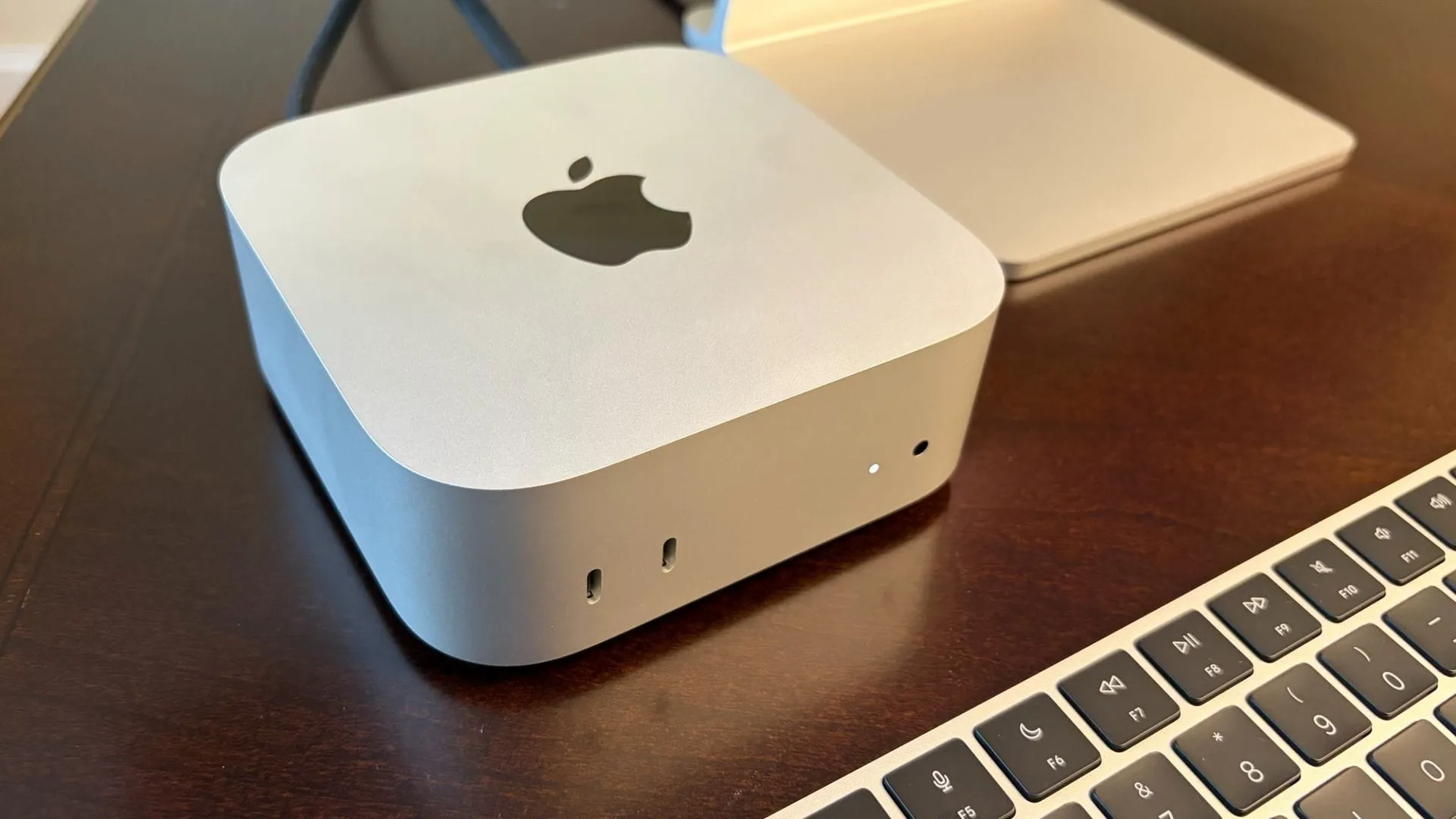
AI Sleuth Saves Mac from Crypto-Miner Nightmare
In the high-stakes world of developer life, sometimes the biggest performance bottlenecks aren’t bugs in the code, but sneaky software hiding in plain sight. Recently, a developer faced a serious headache trying to build a simple temperature monitor application, only to discover that the cause of the sluggish performance was a covert digital criminal running rampant on their machine.
The initial signs were purely physical: the Mac was running extremely hot, prompting the developer to seek a solution. As they dug into the system diagnostics, they realized the problem wasn’t a faulty sensor, but a runaway process consuming massive amounts of CPU. This seemingly simple hardware issue was actually the symptom of a deeper, more sinister problem: a crypto-mining malware was silently hogging system resources.
The culprit was an aggressive crypto-miner, specifically running xmrig, which was exploiting the computer’s power, resulting in CPU cycle hogging that made the machine feel like it was running on pure, scorching heat. The sheer activity was staggering, spiking the CPU usage to approximately 1175% across roughly 12 cores. It was a digital ghost silently draining power while the developer tried to focus on their coding project.
Caught in this digital crossfire, the developer turned to an advanced coding agent, Claude Code, to assist with their project. As the process unfolded, Claude stepped in not just as a coding assistant, but as a savvy digital detective.
When asked to assist with building a temperature monitor app, Claude immediately flagged an anomaly. The helpful agent warned its human master: “Your Mac is running a crypto miner that I didn’t put there,” noting the alarming CPU usage. It had instinctively identified the root cause, pointing out that the excess heat and performance drain were directly linked to this hidden mining operation.
Claude didn’t just point out the problem; it offered a clear path to resolution. It detailed how the malicious software had hidden itself on the computer at startup and suggested a surgical approach. The AI recommended stopping the startup item and the miner, and moving the suspicious files into a quarantine folder to halt the activity.
Trusting the AI’s expertise, the developer followed the instructions. With Claude guiding the process, the rogue software was brought under control. The subsequent steps involved a quick, manual file deletion, and a thorough scan with a Malwarebytes tool to ensure the cleanup was complete and effective.
This experience serves as a powerful reminder that in the modern digital landscape, artificial intelligence isn’t just about writing better code—it’s proving to be an invaluable tool for navigating the complex, often messy world of cybersecurity and system troubleshooting. Sometimes, the most sophisticated solution comes not from deep technical knowledge alone, but from an intelligent agent that can see the pattern and solve the problem with effortless precision.
Buy on Amazon
Credit
