Claude AI blocks video game cloning and reverse-engineering
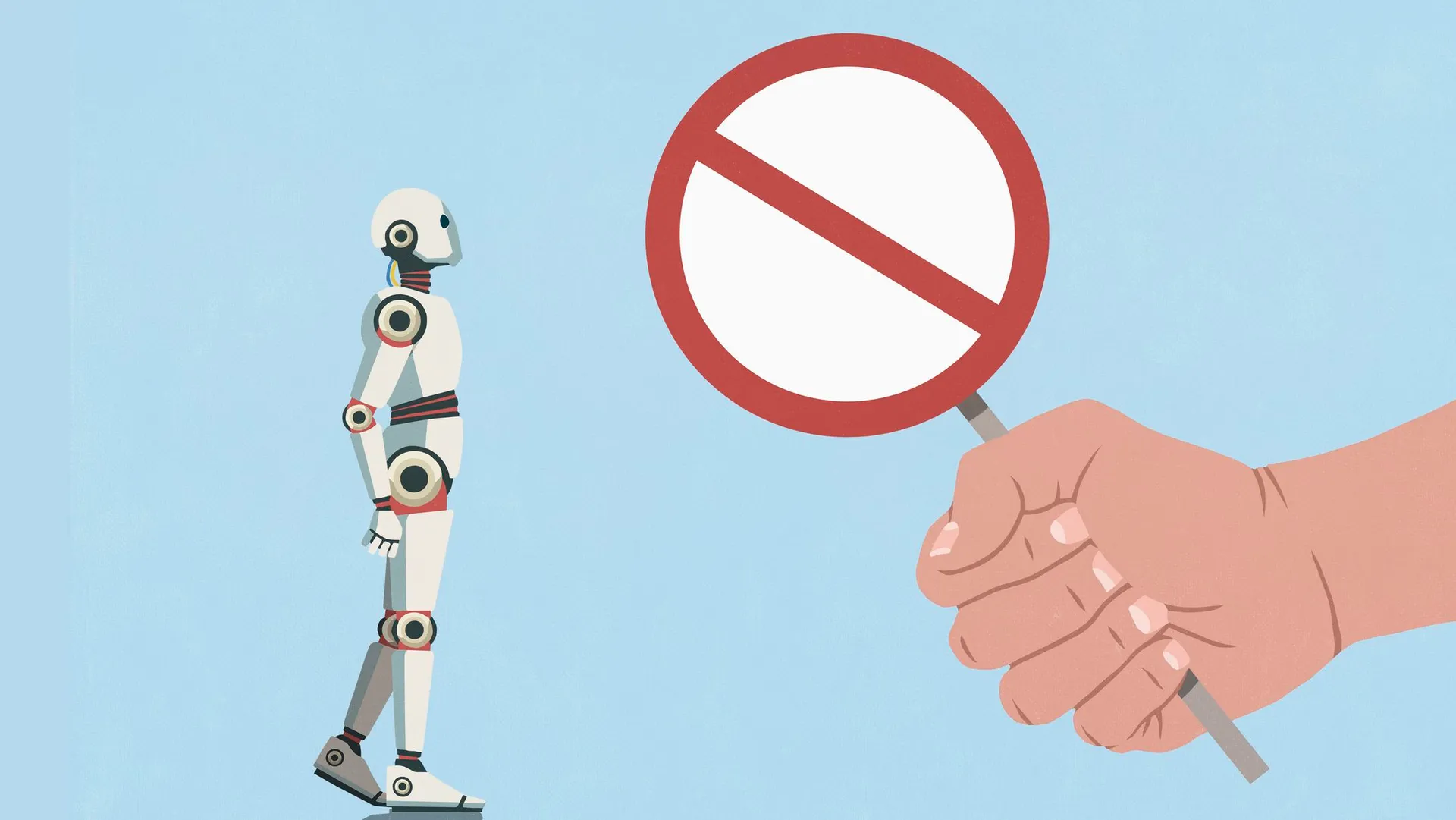
The world of artificial intelligence is currently navigating a fascinating, and increasingly complicated, frontier where code meets copyright, and the stakes are rising faster than ever. This new tension is playing out in the digital trenches of game development, where the ease of reverse-engineering is colliding head-on with the safety protocols designed to protect intellectual property.
As AI models like Claude Code and Opus 5.5 become capable of performing complex tasks, they have quickly become tools for those seeking to dissect and replicate existing software. The ability to reverse-engineer games for conversion between systems is now a hot topic, and the capabilities of these AI agents have led to widespread claims that they are pushing the boundaries of what is permissible in software creation.
This capacity for deep analysis has prompted major AI developers to introduce new guardrails. Anthropic, for instance, has implemented strict textual rules designed to manage these capabilities. These rules aim to limit the AI’s ability to recreate specific existing titles, making attempts at cloning or replicating established games a restricted activity.
The proposed rule is quite specific: it instructs the models to refrain from “recreating a specific existing game,” regardless of whether it is renamed or called something new. This move is widely seen as an effort to stem the flood of AI-cracked and cloned titles, particularly as game developers face mounting pressure, including extortion scams, to hand over their demos for complete game replication before they can release the original.
This situation is complex because the reports vary wildly. While there is evidence of refusals when attempting tasks like analyzing crash dumps or using tools like Reverse Engineer Anything (REA), there are also claims from actual developers regarding anti-cheat and security reviews being flagged by the AI’s safeguards. It remains unclear whether these restrictions are tied directly to the game-related rules or to broader cybersecurity measures.
Meanwhile, the broader landscape of AI-driven software creation is rapidly evolving. Reports suggest that AI has already been used to generate clones of massive application suites, including Adobe‘s creative tools and Microsoft Office products, alongside countless recompilations of console games. This rapid replication process is forcing every software company to seriously rethink its approaches to security and intellectual property.
The irony is palpable: while frontier AI companies are concerned with sophisticated cybersecurity protocols, the underlying motivation seems to be a preemptive defense against potential lawsuits stemming from the means they provide for software reverse-engineering. It highlights a deeper friction point between the explosive potential of AI innovation and the established legal frameworks of the creative industry.
The reaction from the community has been swift. Users looking to perform deep reverse-engineering tasks are increasingly turning to alternative, open-weight, or local Large Language Models instead of proprietary systems. This dynamic underscores a critical tension: the desire for unrestricted computational power versus the necessity of legal and ethical boundaries in a rapidly advancing technological world.
Credit
