Cofounder credits Quake for magnificent success
In the annals of PC gaming hardware, few names evoke the golden age of 3D acceleration quite as much as the 3dfx Voodoo graphics card. This technological leap, though now a nostalgic artifact, owes much of its monumental success to a powerful synergy between hardware innovation and game development. The story of how a specialized chip became a gaming phenomenon is a perfect example of how collaboration can redefine an industry.
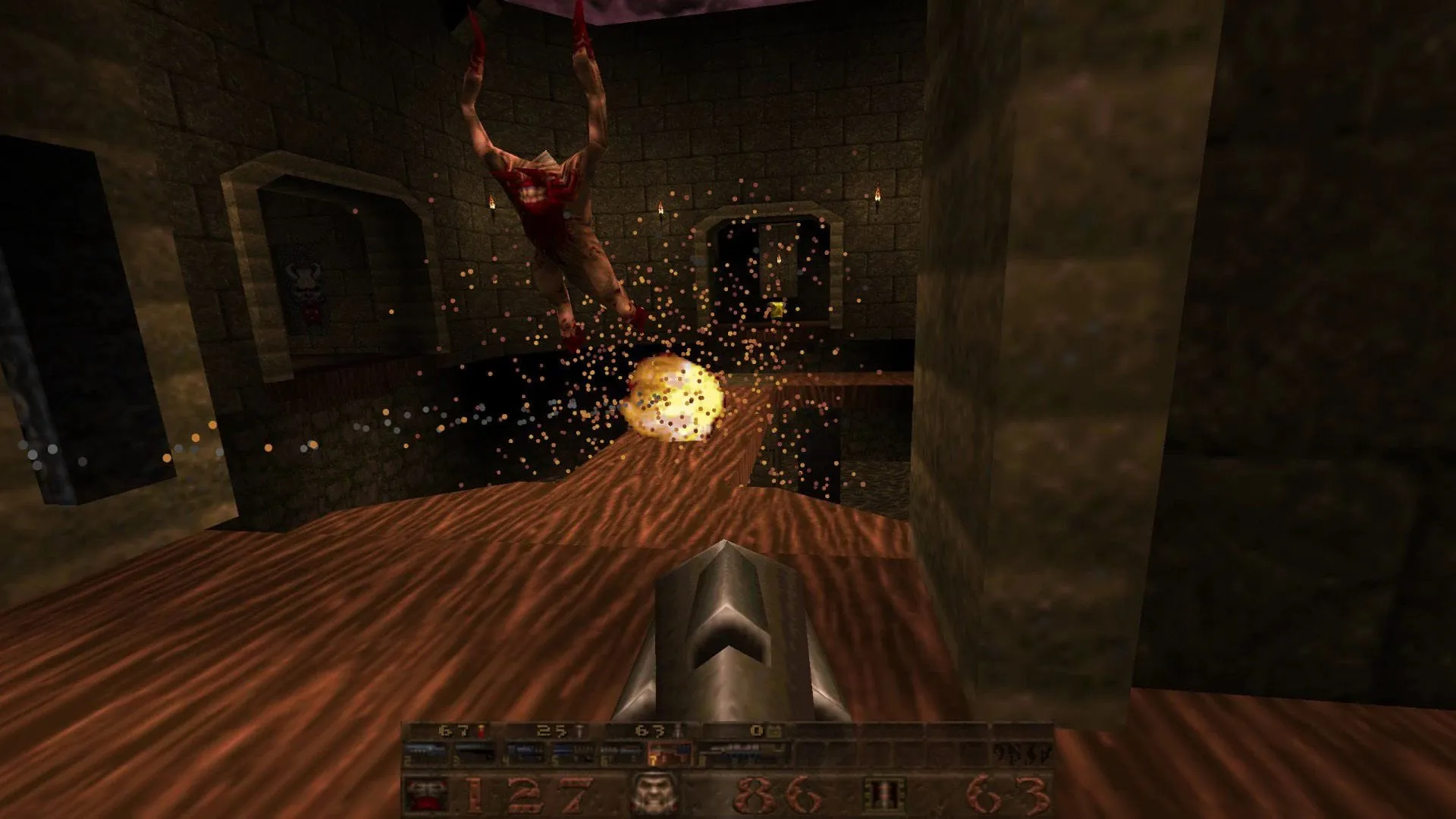
At the heart of this success lies the legendary first-person shooter, Quake. While Quake launched in 1996, the true acceleration of 3D capabilities in the hardware—known as GLQuake—didn’t arrive until 1997. This gap highlights the ingenuity involved: developers needed the right tool to make their vision a reality, and the hardware had to catch up.
This demanding evolution necessitated a partnership. Reports suggest that pioneers like John Carmack reached out to 3dfx, initiating a collaboration on an API called MiniGL. This collaboration was transformative, allowing the Voodoo cards to render games at significantly greater resolutions, with richer detail and a broader spectrum of colors. It was this enhanced compatibility that made 3dfx cards so desirable to developers.
The relationship forged between hardware manufacturers and software creators proved to be a game-changer. 3dfx actively engaged with developers, offering pre-rendered games optimized for their Voodoo cards, and the feedback was overwhelmingly positive. This created a symbiotic ecosystem where better compatibility directly translated into better game experiences for the audience.
This approach was strikingly different from the prevailing industry norms. While competitors like S3 focused primarily on the business side, 3dfx reversed the dynamic, making game developers the lifeblood of the company. This unique relationship allowed the hardware team to focus on creating a platform that truly mattered to the gaming community.
The Voodoo architecture itself was revolutionary. Unlike traditional graphics cards, the Voodoo cards were specifically engineered as a 3D acceleration co-processor alongside a standard 2D card. This design allowed the central processing unit (CPU) to manage other background tasks while the Voodoo handled complex 3D calculations, providing a level of efficiency previously unseen.
This focus on dedicated 3D acceleration set the Voodoo apart. As one founder noted, achieving compatibility with a million applications is far more difficult than ensuring compatibility with just 200 games. By focusing intensely on the gaming environment, 3dfx carved out a unique, highly effective niche in the rapidly evolving landscape of PC graphics. The legacy of the Voodoo is a testament to the power of creative partnerships driving technological advancement.
Buy on Amazon
Credit
