Component shortage hits Raspberry Pi prices by 23%
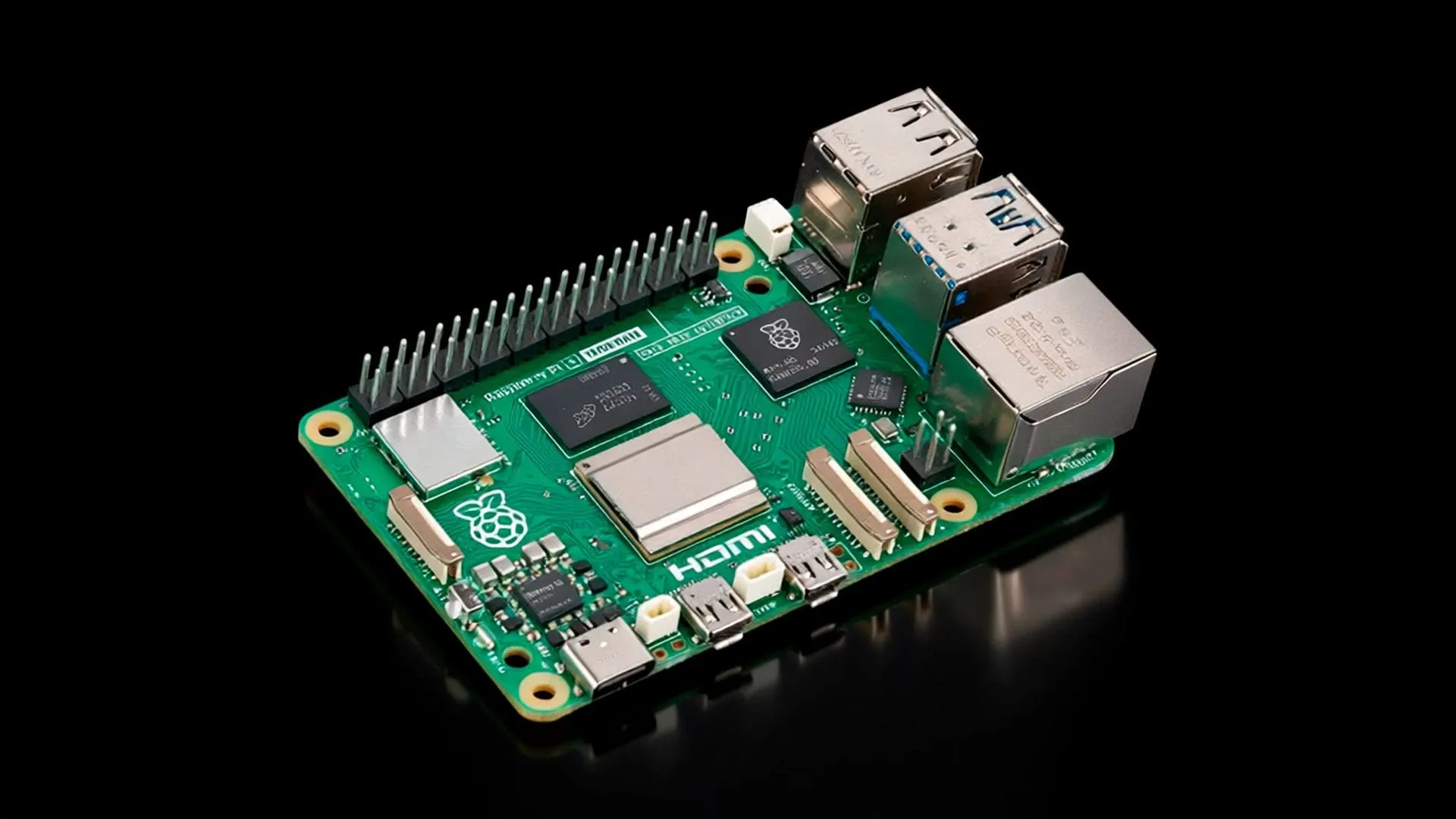
The pursuit of accessible single-board computers often runs headfirst into the harsh realities of the semiconductor market. Recently, the Raspberry Pi community has experienced another round of price adjustments, driven by the relentless surge in memory costs.
To reflect these escalating expenses, the company has implemented further price hikes, focusing primarily on the 2GB versions of the Raspberry Pi 4 and Raspberry Pi 5. These price increases, which can reach up to 23 percent, are a direct consequence of the ongoing global shortage and elevated cost of essential memory components like LPDDR4 and LPDDR5.
While some models initially seemed spared during previous adjustments, the sustained pressure from rising component costs made these core devices inevitable targets. This situation highlights a wider tension in the DIY hardware world: the balance between delivering innovative, affordable technology and managing volatile supply chains.
Take the Raspberry Pi 5 2GB, for example. Launched two years ago at a competitive $50, it had steadily climbed to $65 before this latest adjustment pushed the price to $77.50. Over its lifetime, this particular model has seen a staggering 55 percent increase from its original launch price.
The financial strain is most visible when looking at higher-capacity models. The pressure has been particularly acute for configurations like the Raspberry Pi 5 16GB and the Raspberry Pi 4 8GB, which have seen price jumps of up to 83 percent and 53 percent, respectively, compared to their original suggested retail prices.
The underlying issue stems from the fact that memory is often the single most expensive component on these systems. As demand for AI data centers continues to consume vast amounts of memory and storage, the cost of these components remains a major bottleneck for all hardware manufacturers.
This creates an intriguing dilemma for the Raspberry Pi ecosystem. If memory remains the primary driver of inflation, could the solution lie in offering a radically different product line? Some enthusiasts speculate that introducing a barebones, DIY variant could alleviate pricing pressures by allowing users to solder their own memory modules directly to the board.
However, this path faces an obstacle. Recent firmware updates have locked the devices to their official factory RAM capacities, effectively ruling out this highly sought-after custom modification route for many.
Despite these technical barriers, the challenge remains: ensuring that future generations of hardware continue to offer the value and accessibility that initially drew millions of users to the Raspberry Pi revolution.
Buy on Amazon
Credit
