Conquer Kuttenberg strategy
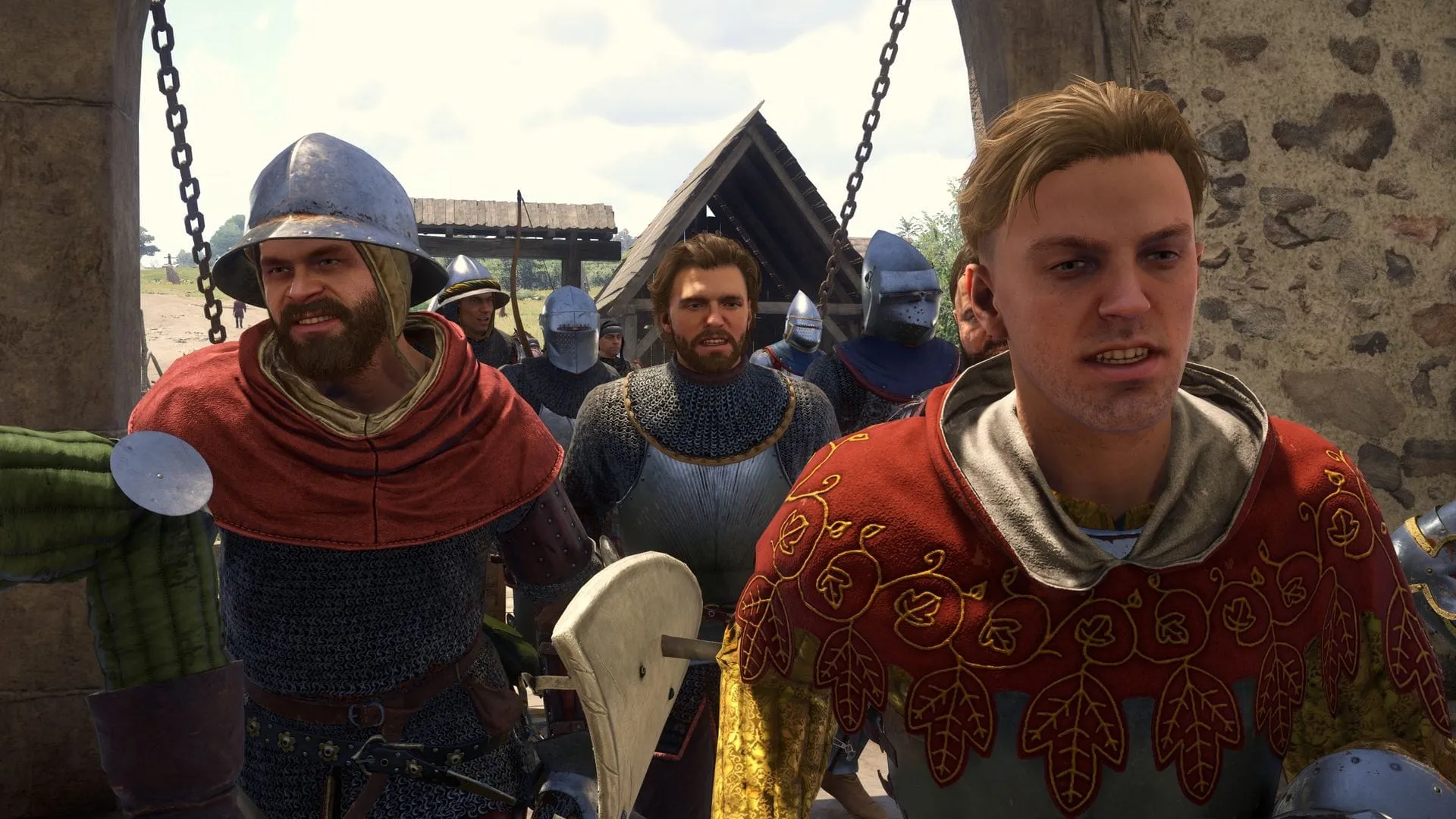
The Chaotic Coup: How One Player Takedown Kuttenberg in Kingdom Come: Deliverance 2
In the rugged, unforgiving landscape of Kingdom Come: Deliverance 2, the pursuit of power often requires more than just swordplay—it demands cunning, chaos, and a willingness to throw the rulebook out the window. For one player, the goal was simple: to seize control of the economic stronghold of Kuttenberg, not through polite negotiation, but through sheer, bloody anarchy. This is the story of a calculated, yet wildly unpredictable, maneuver that turned a political uprising into a spectacular, lawless scramble.
The initial challenge lay in assembling the necessary force. Rather than relying on a single hero, the strategy called for the recruitment of allies—friends and enemies alike—to form a mercenary army. Using external tools, players could summon a collection of mercenaries and local figures to join their cause, transforming a small band of hopefuls into a formidable, if unruly, force ready to challenge the entrenched authority of Sigismund of Luxembourg.
Once the army was raised, the true test of ambition began. The plan demanded a direct confrontation, an aggressive charge into the city gates. The approach was anything but subtle; it was a direct assault, forcing the assembled forces to engage the city guards in a brutal, immediate battle.
However, the game, in its delightful unpredictability, had other plans. As the charge commenced, the carefully planned military maneuver devolved into a riot. The forces, rather than neatly executing a coup, immediately slipped into a state of pure, unadulterated mayhem. The disciplined ranks fractured into disorganized mobs, turning a military operation into a scorched-earth rampage that swept through the city.
The resulting chaos saw the force not only overwhelming the local guards but also descending upon businesses and noble residences. The meticulously planned assault morphed into a chaotic looting spree, turning the pursuit of political legitimacy into a violent scavenger hunt. The outcome was a blur of bloodshed, where the goal of political control was eclipsed by the reality of widespread destruction.
By nightfall, the streets of Kuttenberg were quiet, but the scene was anything but peaceful. The sheer scale of the resulting violence, coupled with the loss of life among the participants, brought the player to a stark reckoning. The act of seizing power, while successful in achieving the immediate goal, carried a heavy, bloody cost, forcing a reflection on the true meaning of kingship and rebellion.
Ultimately, the journey from political ambition to brutal reality offers a fascinating glimpse into the nature of medieval conflict. It is a demonstration that sometimes, the fastest path to power is not through strategy alone, but through embracing the chaotic, untamed power of the moment, leaving behind a legacy defined by both triumph and terrible consequence.
Buy on Amazon
Credit