Conveyor belt keyboard: Google Japan’s lost sense of humor
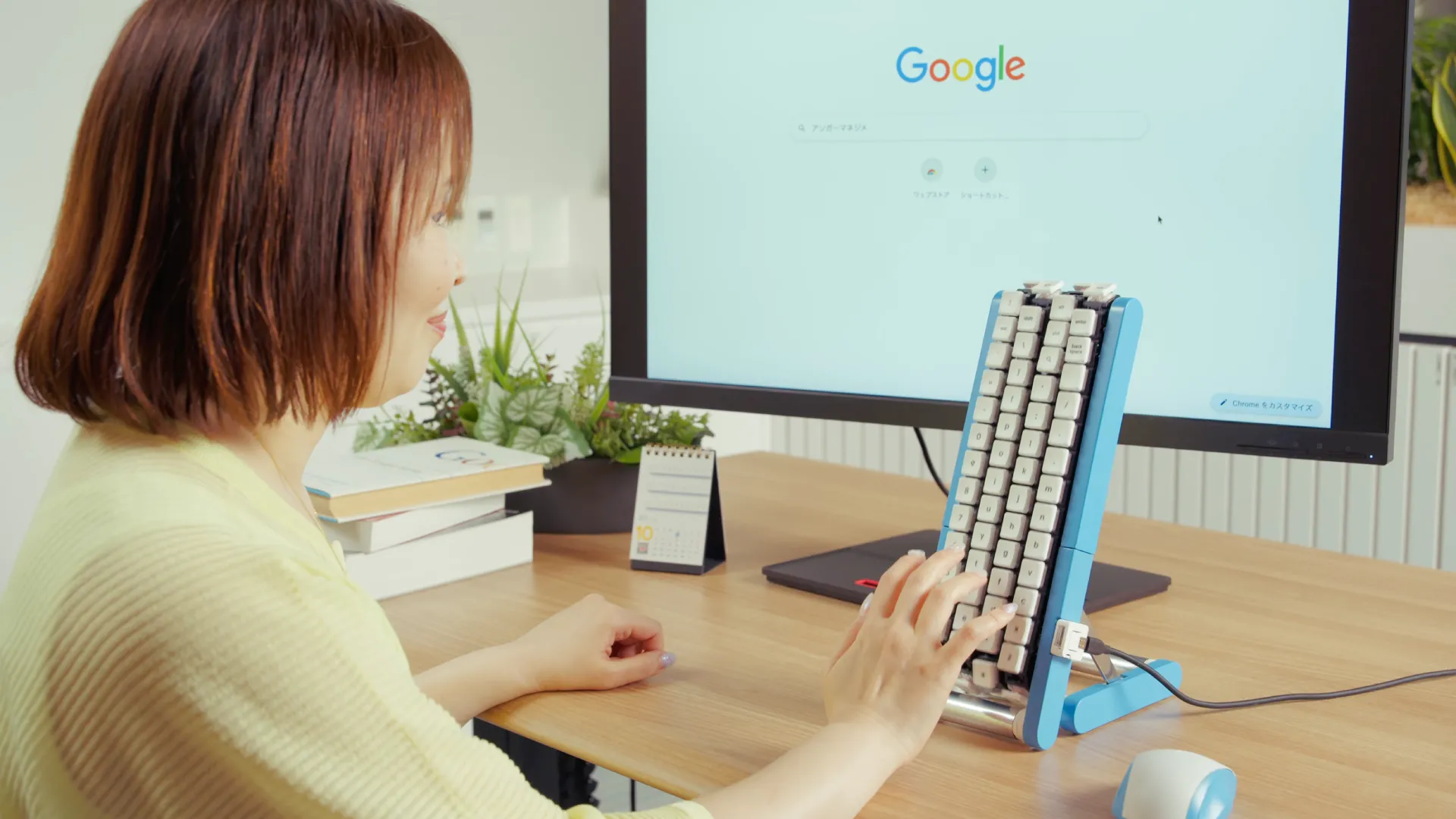
The Future of Typing: Google Japan Unveils the Conveyor Belt Keyboard
Forget everything you know about traditional keyboards. Google Japan has just unveiled a concept that doesn’t just change the way we type—it changes the very physics of typing. They introduced the Gboard Conveyor Belt Version, a radical departure from conventional hardware that promises to redefine the interaction between thought and text.
This isn’t just a gimmick; it’s a philosophical shift in input methods. Instead of moving your hand across a static array of keys, this design utilizes four columns of vertically stacked keys that rotate smoothly on a belt. The core premise is elegantly simple: you don’t move your fingers to reach the key; you simply wait for the correct character to arrive. It’s the ultimate solution for streamlining the act of communication.
The underlying philosophy behind this concept is rooted in industrial efficiency. As the team explained, they wondered if they could streamline typing in the same way that conveyor belts ramped up factory productivity. By eliminating physical movement, the keyboard aims to usher in a new era of touch-and-go typing, allowing users to fluidly convey their ideas simply by touching and waiting for the keys to stream under their fingertips.
This innovation builds on a history of experimental keyboard designs, drawing inspiration from concepts like rotary keyboards and absurdly long stick-of-single-keys keyboards. Google Japan is clearly signaling that the future of input devices will prioritize seamless motion and intuitive delivery, moving beyond the clicky-clacky constraints of the past.
The vision doesn’t end with the initial mechanism. Google is already planning exciting expansions to make this keyboard truly immersive. Future developments include multiple colorways and a high-speed mode, specifically designed to enhance hand-eye coordination, preparing users for a faster pace of digital interaction.
Perhaps the most intriguing feature slated for development is a new voice guide mode. Imagine a keyboard that doesn’t just accept input but actively narrates the process, reading out the keys as they pass. This level of multimodal interaction bridges the gap between physical action and auditory feedback, creating a truly intuitive typing experience.
As the Japan team concludes, this conveyor belt concept is not just about novel hardware; it is about building a keyboard designed for the era ahead. It represents a commitment to thinking not just about what technology can do, but what technology can feel like. There is a subtle, wistful echo in this innovation, reminding us of a time when technological creation felt less like a ruthless, humourless money-making machine and more like a genuine pursuit of elegant, human-centered design.
Buy on Amazon
Credit
