Corrupted mod sabotages AI copies in Total War Warhammer 3
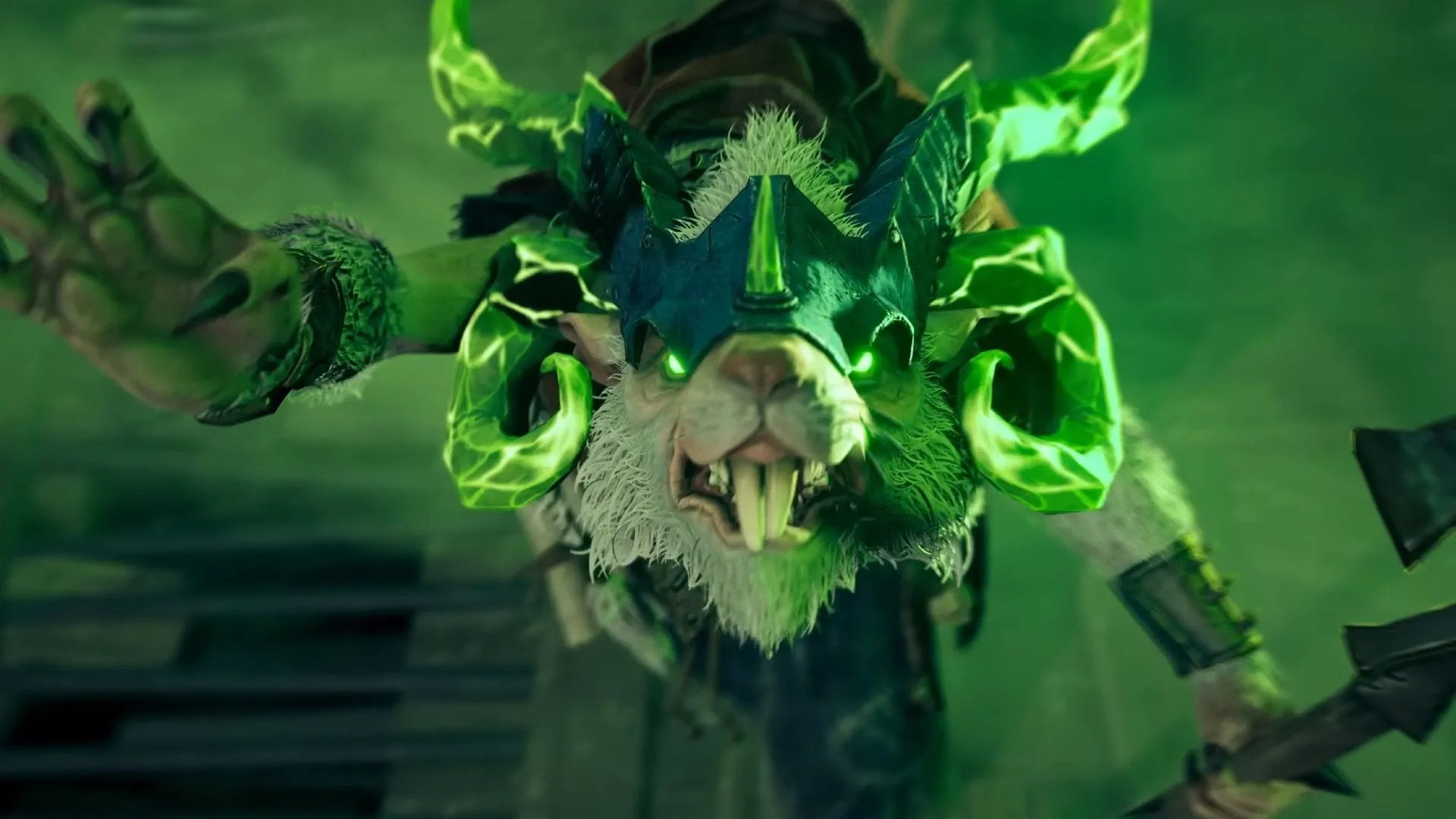
When a massive game update drops, the modding community is usually buzzing with excitement. But sometimes, the updates bring unexpected friction, particularly when beloved, complex creations collide with new game versions. This dynamic was playing out in the Total War: Warhammer universe, specifically surrounding the popular overhaul mod, SFO Grimhammer 3.
The issue arose when the game received a major version update, creating a compatibility headache for dedicated modders. One of the most frustrating aspects of this scenario, however, wasn’t just the technical incompatibility; it was the shadow of unauthorized modifications. Modders often found themselves dealing with a deluge of unofficial work—sometimes generated by artificial intelligence—appearing on platforms like the Steam Workshop, altering the integrity of the original community-made content.
This situation reached a boiling point for the creator of SFO Grimhammer 3, Venris. Faced with a growing number of unauthorized reuploads, Venris felt compelled to take drastic action. Rather than simply ignoring the problem, he chose a highly unconventional approach to draw attention to the core issue of ownership and authenticity.
Venris deliberately introduced temporary sabotage into the mod, effectively locking it down and preventing its unauthorized distribution. This move was a calculated act designed to halt the proliferation of AI-generated submods that were interfering with his work and the community’s trust.
His statement made it clear: SFO Grimhammer 3 was the result of nearly a decade of passion and dedication, and he would not permit his work to be appropriated, especially through the use of AI. He issued a firm message to the modding world, emphasizing that the principle of support should be directed toward human creators, not artificial intelligence.
While the tactics were unconventional, the goal was rooted in a powerful principle: modders should be supported, not replaced by algorithms. The core argument resonated deeply—that AI should serve as a supportive tool for modders, not a replacement for the creative process. It underscored the ongoing debate about authorship, intellectual property, and the role of technology in creative communities.
Ultimately, the situation demonstrated that even in the vibrant world of gaming modifications, conversations about ethics and ownership are just as important as the code itself. Venris restored the mod and apologized, but the disruption successfully illuminated a critical need for clear boundaries in how AI interacts with community-driven creative works.
Buy on Amazon
Credit
