Counter-Strike community and my first tournament experience
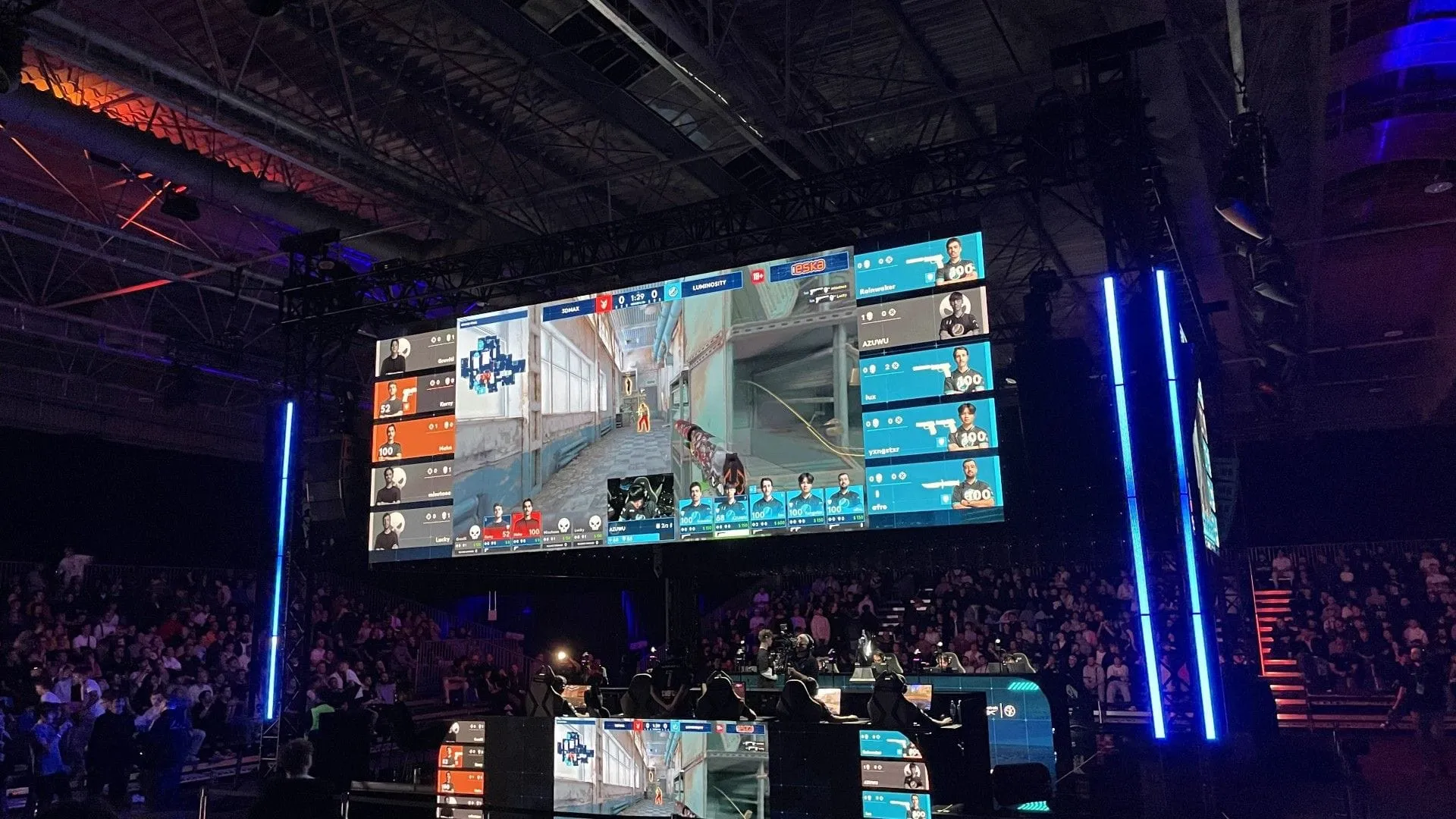
Some of the most profound lessons we learn about connection aren’t found in quiet introspection, but in the loud, chaotic energy of a shared experience. Recently, a therapist suggested I needed to find a sense of belonging, a group where I could truly feel at home. While the conventional answers—church or traditional social groups—are certainly nice, I found a glimpse of this feeling in an unexpected place: an industrial estate in Warsaw, Poland.
There, amidst the bustle of an industrial area, the world of competitive gaming paused for a spectacular display. The Logitech G Play 2026 event was underway, featuring a Counter-Strike 2 tournament with a $100,000 prize pool. Sitting on the bleachers, surrounded by Poles, I felt an immediate sense of ease, even though I didn’t understand a single word spoken by the commentators or the surrounding audience.
The stage was set for a clash between the Canadian team Luminosity Gaming and the French team 3DMax, with massive screens framing the action. I chose to sit among the regular CS2 fans rather than the VIP section, embracing the shared atmosphere rather than the exclusivity.
I have played Counter-Strike for well over a decade, yet I had often felt disconnected from the professional scene. While I enjoyed the game, the community felt distant when teammates referenced pros and tournaments I was unfamiliar with. Attending the event made it clear what I had been missing: the collective roar of a true spectator experience.
It turns out the feeling of being immersed is universal, whether you are watching football or competitive gaming. While I’ve always been a Brit, attending live events can present logistical challenges, making in-person attendance a special treat. It took me a moment to acclimate to the pace and rhythm of spectator mode, but quickly, the novelty gave way to genuine investment.
Connecting with the players, such as Azuwu and yxngstxr from Luminosity Gaming, who proved to be genuinely friendly, helped anchor my focus. I was grateful for the familiarity with the game mechanics, which allowed me to grasp the action despite the foreign commentary.
As the games progressed, the initial curiosity evolved into deep involvement. There were moments of raw, shared spectacle that transcended the game itself. One memory, seared into my mind, involves watching the AWP-er Afro clutch a critical moment as the commentators ramped up the tension, met by a collective roar from the crowd.
These moments weren’t just about the gameplay; they were about the shared human experience. There were flashes of genuine spirituality in the atmosphere—the collective excitement of an audience member opening loot crates, cheering for a rare skin, or the palpable energy when two opposing players approached each other in a tense standoff.
The experience highlighted something vital: the connection forged over the love of a game, even one known for being somewhat toxic and foul-mouthed. The booming lights, the bassy audio, and the shared exclamations created an undeniable bond. It felt silly that I had spent so many years immersed in the game yet hadn’t sought this in-person community.
Ultimately, what I discovered was that sometimes, the most powerful feeling of belonging is found in shared passion, regardless of language barriers. It took a bit of in-person, language-barrier’d bonding to realize that true connection isn’t just about the score—it’s about the shared experience.
Buy on Amazon
Credit
