Creative Assembly exec blames others for Shogun 2 mess
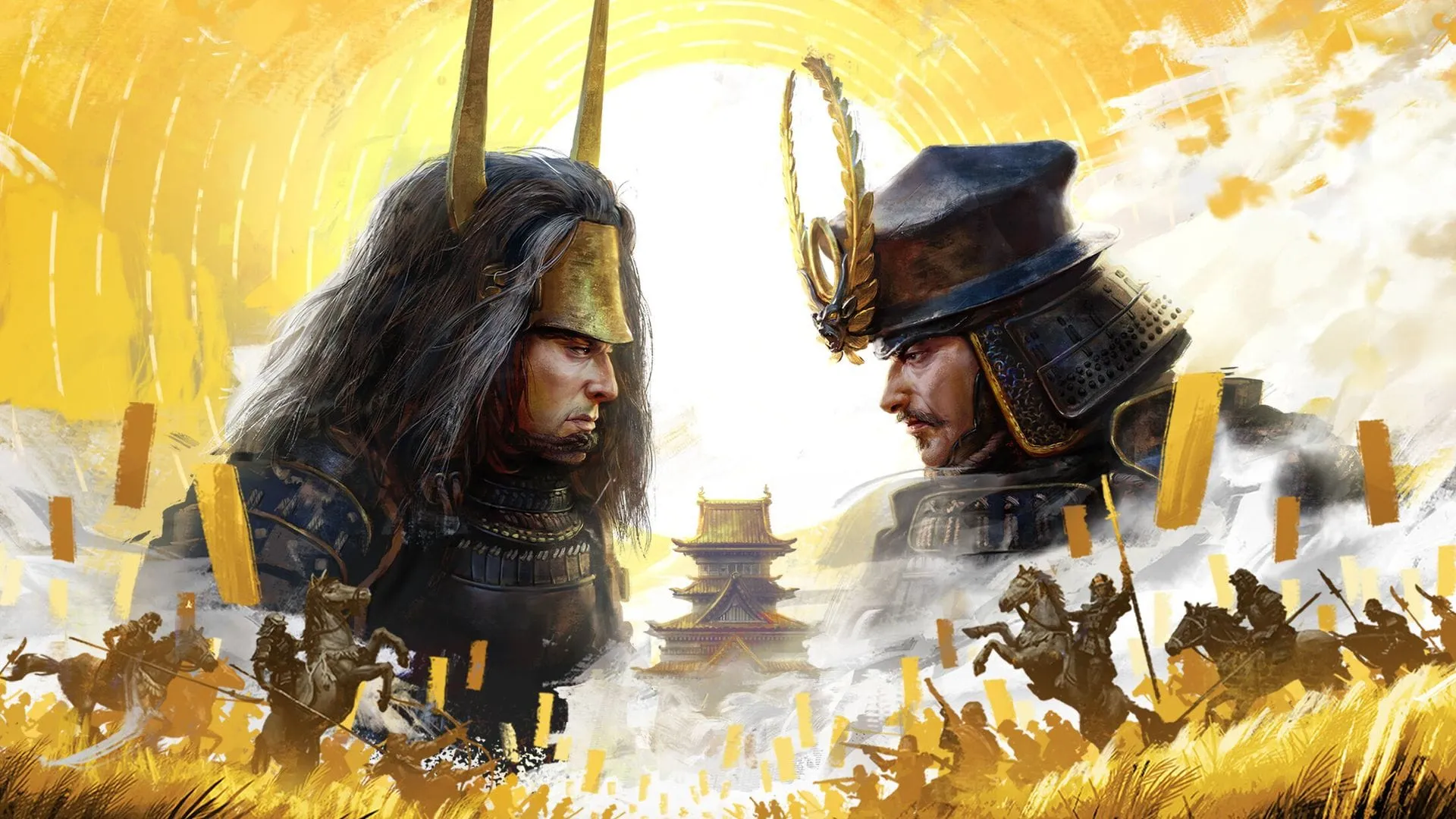
The pursuit of remastering classic gaming experiences often promises a glorious glow-up, but sometimes the reality hits harder than the hype. This is the story of Total War: Shogun 2, a project that aimed for modern visual splendor and a fresh experience, but instead spiraled into one of the gaming industry’s most disappointing quality control nightmares.
When the remaster launched, the reaction wasn’t celebratory; it was deeply critical. The experience did not meet the soaring expectations of fans, leading to drastic action from Sega, which ultimately pulled the remaster from sale and reverted to the original. The disappointment was palpable, turning what should have been a celebration of history into a complicated, frustrating saga.
In the wake of this fallout, the studio and its leadership were compelled to address the simmering anger. Roger Collum, vice president of Total War at Creative Assembly, stepped forward to offer transparency regarding the situation. He acknowledged the frustration felt by the community, recognizing that the outcome was not reflective of the studio’s core standards.
Collum made it clear that the issues were not solely the fault of Creative Assembly. He noted that the project was an external development effort, meaning the team did not undergo the same internal review and quality assurance processes that the studio typically employs. While the franchise ownership remained with Total War, the team stressed that they take full responsibility for the final product.
Addressing specific concerns, Collum also tackled the discussion around generative AI. He firmly stated that Creative Assembly operates as a craft studio, utilizing AI tools for tasks like debugging or prototyping, but explicitly refused to use generative AI to create in-game assets. This stance extended to external partners, insisting that the same high standards apply to all developers involved, initiating an investigation into the situation surrounding the remaster.
The development of the remaster involved external partners, including the Warsaw-based studio Mataboo, which provided comprehensive end-to-end game development support. While these partnerships can offer flexibility, the core message remains that the ultimate accountability for the quality of the final game rests with the developer.
Despite the defense, the tension remained. Many fans felt that the promotion surrounding the release did not accurately reflect the game’s actual state, fueling the narrative that transparency was lacking. Ultimately, the focus shifted from blame to accountability, emphasizing that when things go wrong, the commitment to fixing them is paramount.
The situation underscores a vital lesson in the gaming world: innovation is exciting, but delivering a polished, high-quality experience requires unwavering commitment to craft and transparent communication from every stakeholder involved.
Buy on Amazon
Credit
