Critical Role stress reveals a new mouth noise
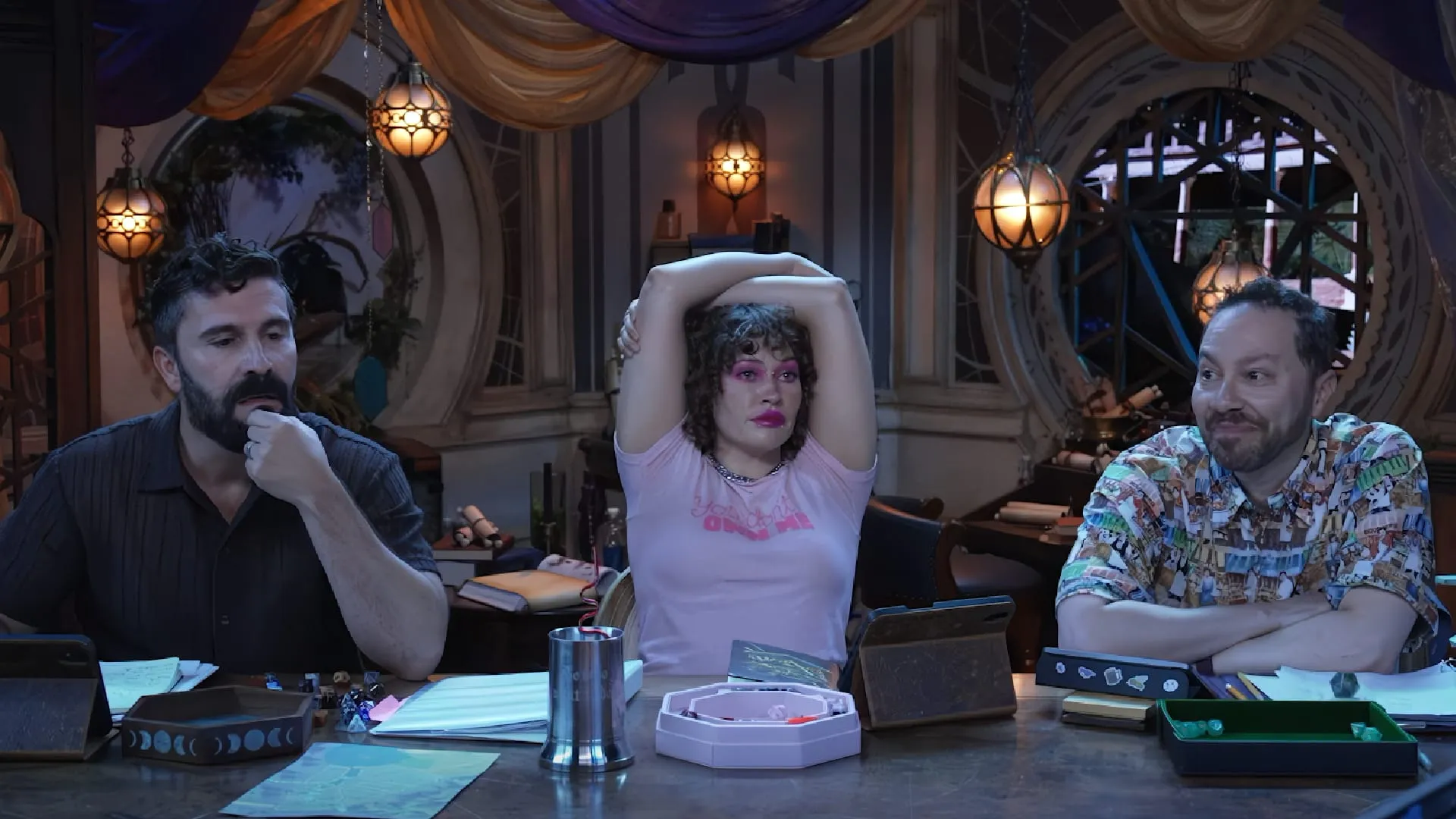
When you think you know what chaos looks like in a tabletop game, you haven’t experienced the sheer, beautiful absurdity of Critical Role. Recently, a session delivered a masterclass in controlled disaster, a spectacle of tactical mayhem so dense it forced a moment of pure, unadulterated hilarity. The results? A level of chaos that made seasoned players pause and wonder, “How did they manage that?”
The scene kicked off with high-stakes drama: an attempted assassination of one of the players. But what followed wasn’t a simple fight; it was a Gordian knot of rules, circumstances, and desperate character choices weaving together into a single, glorious tapestry of pandemonium. It wasn’t just about who hit whom; it was about the intricate web of spells, saving throws, and shifting allegiances that ensured no single player walked away unscathed.
The complexity sprang from the sheer number of moving parts. A single confrontation rapidly escalated into a full-blown siege involving a Hold Person spell, multiple assassins, forceful commands from a parent, desperate family members rushing in to intervene, and a sprinting character chasing down a goal. It was a true escalation, where every character’s survival depended on a perfect, impossible sequence of dice rolls.
The genius of the unfolding disaster lay in stacking the deck against the target. The mechanics themselves introduced agonizing tension. A spell like Hold Person, which grants auto-crits and demands a Wisdom save, created immediate, agonizing pressure. When combined with the desperate attempt to manage concentration and the unpredictable nature of the dice, the stakes felt impossibly high. It was a finely tuned mechanism of escalating peril.
For the player at the center of the conflict, the pressure was immense. Faced with a situation where failure meant certain doom, the options narrowed into a brutal choice. Some saw an opportunity for a calculated risk, while others instinctively reverted to a simpler, more immediate reaction. The stress of that moment, combined with the demands of the unfolding chaos, created a truly visceral experience—a genuine test of nerve under impossible constraints.
Then came the ultimate, unforgettable moment. Amidst the swirling anxiety and the frantic need to make a saving throw, one player, reeling from the intensity, reached for their dice tray and dropped two specific numbers into the pile: a 12 and a 13. It was a moment of pure, spontaneous triumph amidst the impending doom.
The reaction that followed was the perfect punctuation mark on the entire chaotic sequence. Amidst the mounting tension, the player let out a noise that defied easy description—a blend of laughter and a yell. It was a primal, unfiltered sound that signaled the absolute, ridiculous peak of the moment. It was a sound that captured the essence of surviving utter mayhem, a perfect representation of the glorious, stressful absurdity of high-level tabletop roleplaying.
Buy on Amazon
Credit
