Crouch walking in games vs real life
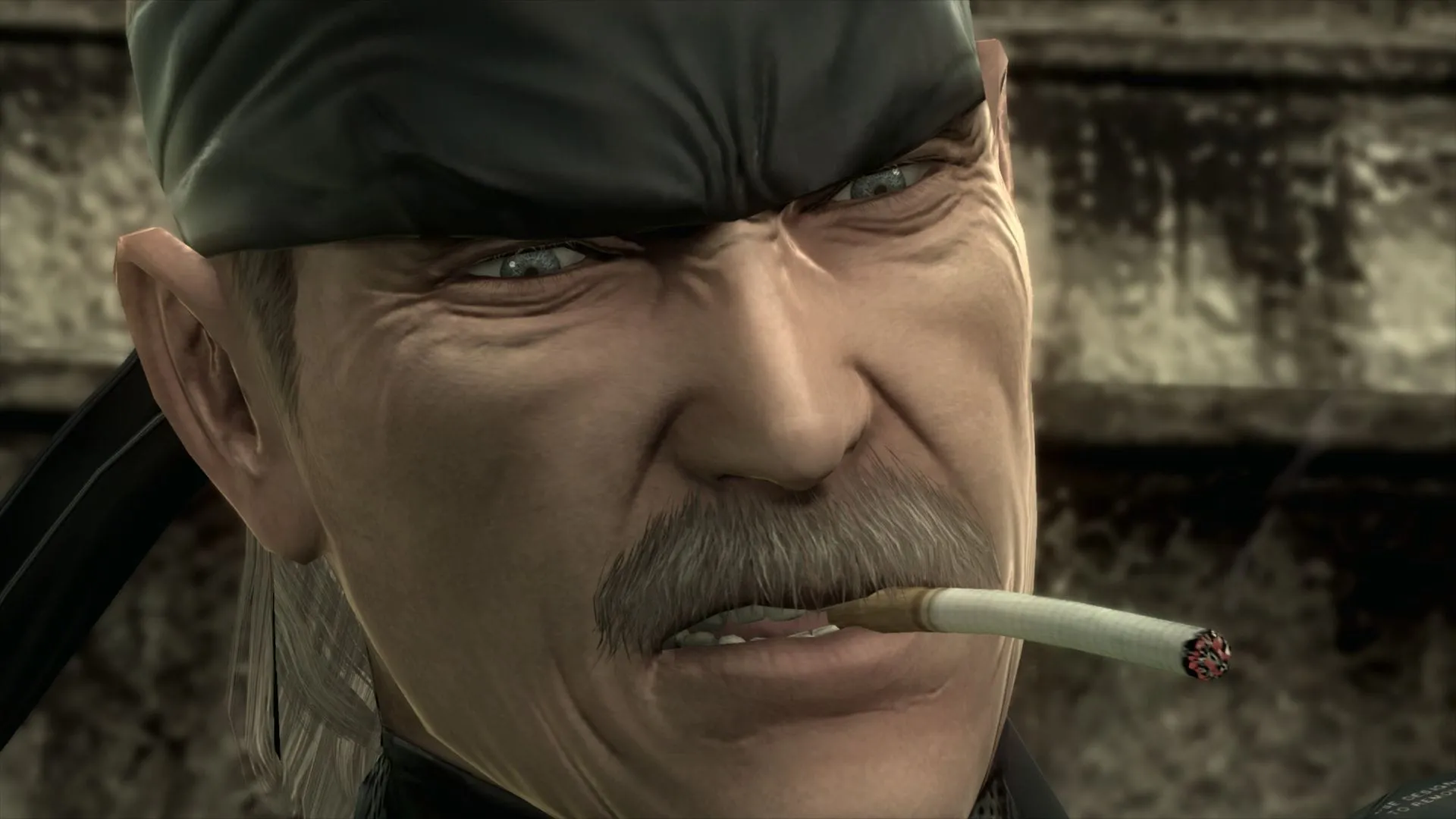
We spend countless hours immersed in virtual worlds, perfecting the art of stealth. For many gamers, the default setting for covert movement is the crouch walk—a posture that screams “stealth mode.” It’s a habit ingrained deep within the digital landscape, a way of saying, “I am sneaking.”
But what happens when we try to translate this digital stealth into the tangible world? The reality of crouching while navigating the bus, walking through a crowded office, or just trying to move stealthily on the street feels immediately, uncomfortably different. Does it truly enhance your ability to be sneaky?
The shift from game physics to real-world physics is jarring. Unlike the digital realm, where the consequence of a crouch is simply a change in perspective, the physical act of crouching introduces immediate, unwelcome limitations. It’s a reminder that the mechanics of gameplay often ignore the reality of our physical bodies.
This tension between virtual convenience and physical discomfort is where the real commentary emerges. Some of the most insightful critiques about this impracticality haven’t come from gameplay mechanics, but from the physical toll of the experience itself. Games like New Vegas and The Outer Worlds 2 provided subtle, yet pointed, reminders of this disconnect.
In these titles, the drawbacks of the stealth mechanic weren’t about dodging enemies; they were about the physical toll. Characters began lamenting their physical condition, noting “bad knees”. This implied that the casual act of crouching carried a real-world cost, introducing a new layer of inconvenient reality to the act of sneaking.
It suggests that even in a world designed for immersive escape, we still remain tethered to our physical selves. The pursuit of digital stealth, while endlessly entertaining, occasionally bumps up against the undeniable truth: the body has limits, and reality demands more than just a convenient crouch.
Buy on Amazon
Credit
