CS2 Player roots out cheaters and builds anti-cheat system
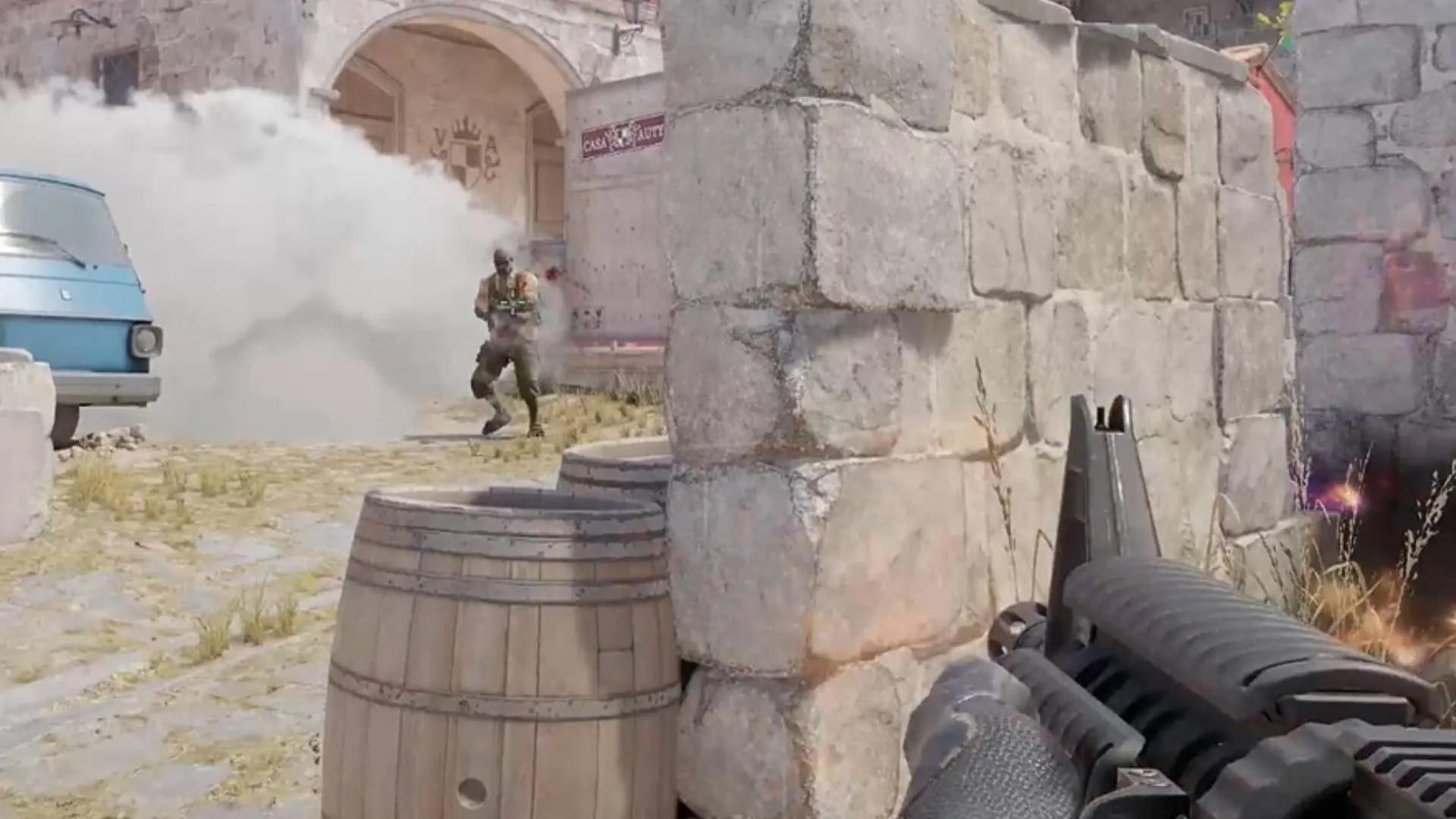
In the high-stakes world of competitive gaming, the pursuit of a fair match often gets derailed by the presence of cheaters. Whether it’s players exploiting walls in an online shooter or using unfair advantages in complex strategy games, the fun is constantly threatened by those who undermine the experience. While anti-cheat systems are the frontline defense, the continuous challenge remains: how do we catch the bad eggs when they keep spawning fresh accounts?
A brilliant mind, currently studying at the Norwegian University of Science and Technology, tackled this issue by looking beyond simple code and delving into the subtle, often overlooked details of human interaction. Named Christopher B. Didriksen, the student developed a groundbreaking approach based on biometric movement patterns to identify repeat offenders.
Didriksen’s master’s thesis proposed that players in games like Counter-Strike 2 could be differentiated by how they physically controlled their mouse and keyboard in-game. He theorized that these nuanced movements create a unique digital signature—a behavioral fingerprint—that remains stable regardless of the map, session, or sensitivity settings. Essentially, his research sought to find the human behind the screen.
To achieve this, the researcher analyzed numerous competitive match recordings, extracting two separate signals from a player’s mouse and keyboard actions. By cross-referencing these movements, he was able to identify a unique ‘fingerprint’ that stayed consistent across months, different maps, and even significant changes in mouse sensitivity.
The results were compelling. In a dataset of over 1,000 players, this movement biometrics correctly identified players every time. Keyboard use alone was nearly flawless, picking out the right player 98% of the time. By combining these two metrics, Didriksen’s system could pinpoint the human behind an account with a remarkably high rate of accuracy.
This system was designed to act as an extra layer of scrutiny, sitting alongside existing anti-cheat tools to answer the ultimate question: Is this the same person behind the screen?
The motivation behind this ambitious project stemmed from a deep frustration with current anti-cheat mechanisms. Banned players often found a simple solution: create a new account, effectively becoming a ‘smurf’—a secondary account belonging to an experienced player. This ability to bounce back into the action after a ban spoiled the competitive integrity.
While the method is not a magic bullet—as cheating players can adjust their methods on fresh accounts and shared accounts can introduce confounding variables—it proved incredibly useful. The research demonstrated that the physical manner of playing leaves an indelible mark, offering a powerful, physical layer of identification that complements digital tracking.
The success of the thesis was further fueled by the community. Several online participants contributed invaluable data, even revealing their smurf accounts, providing the rich material needed to validate the methodology. The effort turned out to be more than just academic; it provided tangible insight into the complex, often frustrating, battle between skill and deceit in the digital arena.
Buy on Amazon
Credit
