Dan Greenawalt leaving Microsoft reportedly
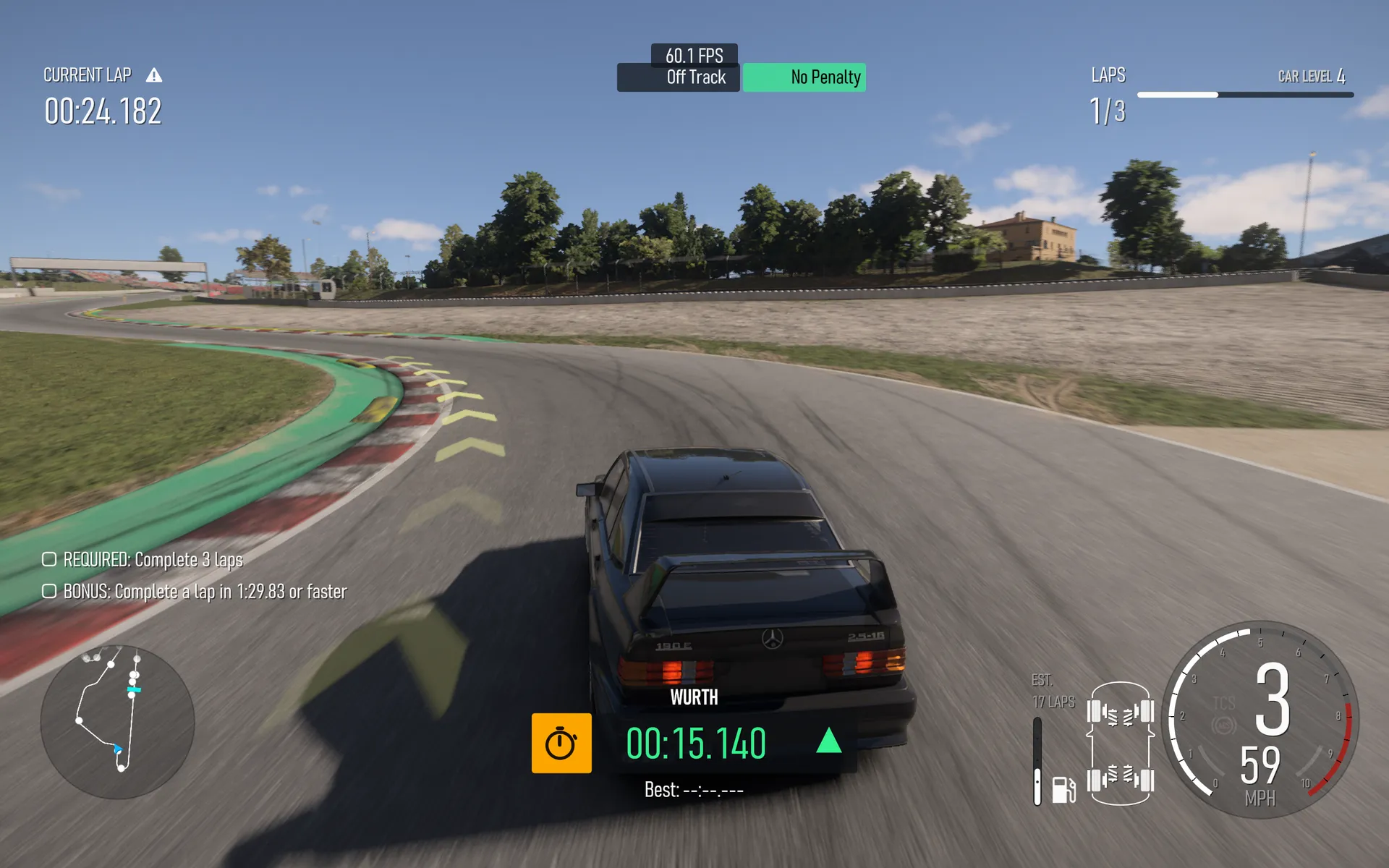
The gaming industry is currently buzzing with news about structural changes at Microsoft, signaling a significant realignment of its creative and development studios. The move involves major mergers, restructuring, and a substantial reduction in workforce, touching everything from racing games to massive intellectual properties.
At the heart of the studio shifts is the impending retirement of Dan Greenawalt, the studio head of Forza Motorsport developer Turn 10. After nearly 27 years in the industry, Greenawalt has decided that now is the right time for him to step away from Microsoft.
This decision comes amidst a planned consolidation of Microsoft’s gaming assets. In September, the company announced plans to merge Turn 10 and Playground, the two key Forza studios, into a single entity. This action is part of a broader strategy to streamline development efforts across its gaming portfolio.
While the studio teams are consolidating, the changes extend beyond the Forza franchise. This large-scale restructure also includes the integration of Obsidian into Bethesda, alongside handing over the Halo franchise to Activision. This signals a massive shift in ownership and development pipelines within the gaming landscape.
The internal moves also come with a notable cost: the restructuring is expected to result in the laying off of another 268 employees.
For context, Turn 10 had already transitioned into a support studio for Playground’s Forza Horizon following the reboot of Forza Motorsport. This history adds another layer to the evolving narrative of how legacy racing development is being managed and repurposed within the larger Microsoft ecosystem.
Despite the corporate shake-up, Greenawalt will remain involved in a transitional capacity, serving as an adviser during the period of changeover. This ensures that institutional knowledge remains available as the studios navigate their future direction.
The combination of these studio mergers and personnel adjustments highlights the ongoing process of reshaping how major gaming IPs are developed and owned, setting the stage for what the industry will look like in the coming years.
Buy on Amazon
Credit
